
Homecoming: Why Are European-Born Brightest Talents Choosing African National Teams?
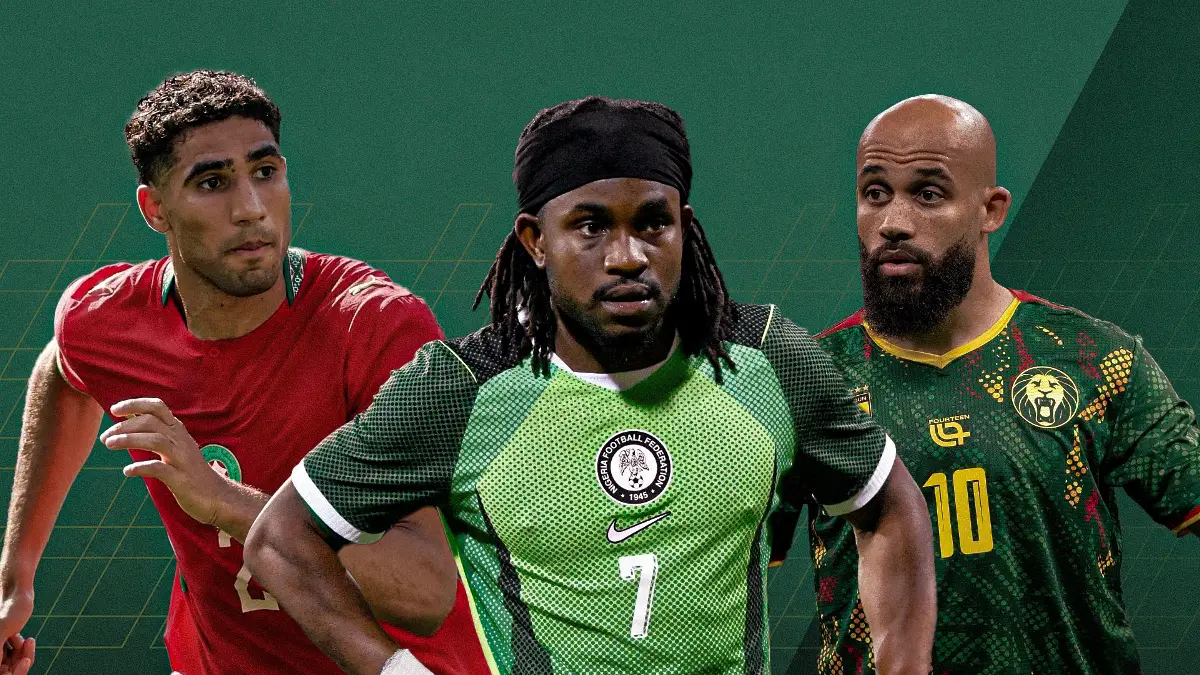
For decades, systemic challenges have stalled the growth of African football national teams. While the continent produces some of the world’s finest football talent, it has too often watched its brightest stars represent European nations instead.
Kids growing up in cities like London, Paris, Brussels, Amsterdam, and Berlin often opt for the nations that shaped their upbringing rather than the countries their parents originally hailed from. Today marks the beginning of something fresh and exciting.
An increasing number of international football players are choosing to represent African nations, recognising the opportunities available to them.
This phenomenon extends far beyond the realm of the game. This trend showcases a powerful narrative about identity, emphasising a sense of belonging and highlighting a generation that is reshaping national identity in an increasingly interconnected world.
What matters now is not how African nations lose their dual-nationals but rather the reasons behind the trend. It is why more players are now choosing their roots over convenience.
A Different Generation Is Emerging
The classic reasoning was clear-cut. A player with the opportunity to represent England, France, Germany, or the Netherlands frequently opted for the footballing powerhouse.
The reasons were clear as day. Improved facilities. Enhanced exposure. Increased likelihood of clinching victory in significant competitions. Enhanced business prospects.
For years, African federations have been up against some of the most formidable powerhouses in the game. However, recent choices indicate that the strategy is shifting.
Ademola Lookman showcased his talent on the international stage by representing England at the youth level, contributing to the Under-20 squad that clinched the World Cup title in 2017. Many anticipated that he would ultimately make his way into the senior England squad.
Instead, he opted for Nigeria. That choice changed the trajectory of his international career. This choice significantly contributed to his status as one of Africa’s most renowned athletes and a standout performer in the realm of football across the continent. He went on to win the CAF Men’s Player of the Year award in 2024.

The most significant point about this player, however, is that this story has now become common.
More than 23 per cent of the 1,248 players participating in the 2026 FIFA World Cup play for a nation other than that of their birth. Two decades back, the proportion was less than 9 per cent during the 2006 event.
The statistics showcase the remarkable transformation that international football has undergone, with national teams being influenced not only by their geographical locations but also by elements such as migration, dual citizenship, and diaspora communities.
One key element influencing the shift is FIFA’s modifications to player eligibility rules, which have streamlined the pathway for certain dual nationals to change their national allegiance. The changes have expanded the pool of talent available to countries outside the traditional powerhouses of the game.
In Africa, this shift has opened up avenues that would have appeared unthinkable just a generation ago. Players who were eyeing moves to England, France, or the Netherlands are now weighing their choices more carefully.
The Morocco Blueprint
Perhaps no country illustrates the shift better than Morocco. When Morocco reached the semi-finals of the 2022 FIFA World Cup, they made history for Africa.
But they also highlighted something else. The most obvious showcase of the influence of diaspora recruitment was Morocco’s impressive 2022 World Cup campaign.
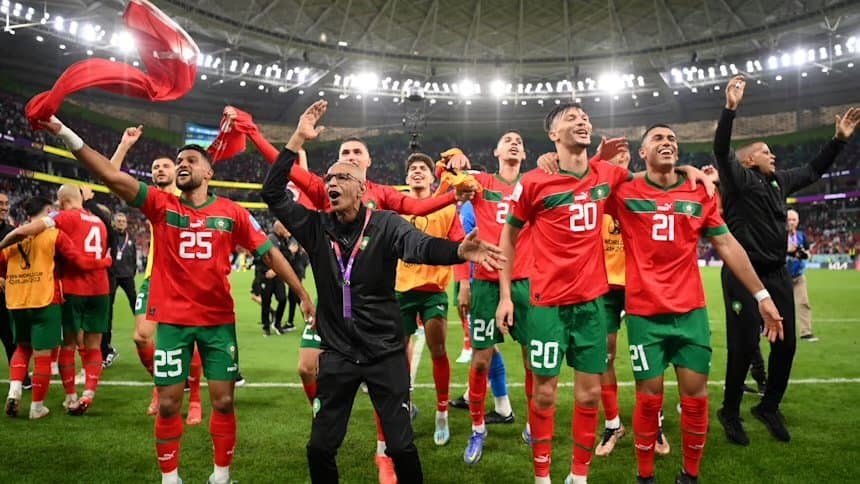
Fourteen out of 26 players in their squad were born outside of Morocco. But despite that, they managed to become the first African and Arab country to reach the semi-finals of a FIFA World Cup.
Even at the 2026 FIFA World Cup, Morocco created history by becoming the first team to have all 11 of its players who were not born in the country they represent.
This marked one of the best achievements in the history of African football. The success also changed perceptions.
For young dual-nationality players watching around the world, representing an African nation no longer looked like a compromise. It looked like an opportunity.
Family Remains The Strongest Recruiter
Football federations invest heavily in recruitment. Parents often make the decisive difference.
At the heart of numerous diaspora commitments is often a compelling family narrative. A grandmother who always had stories to share about Lagos. A dad who kept up with every AFCON game from London. A mother who firmly believed that home transcended the country stated on a birth certificate.
These influences seldom make their way into official announcements. They influence choices well ahead of any federation stepping in.
For numerous athletes, selecting an African nation goes beyond just the game itself. It’s a choice made together as a team. A choice that reflects the values and beliefs of a community. At times, it can feel like a duty that tugs at the heartstrings.
The jersey serves as a tribute to the incredible journey that led their family to a new continent in the first place.
African football national team Federations Have Changed Too
The narrative goes beyond just the athletes on the pitch. African federations have really stepped up their game.
A decade ago, numerous organisations took a backseat approach to recruitment, waiting for opportunities to come to them rather than actively seeking out talent. Contact frequently showed up after the scheduled time. Relationships were inconsistent. The communication was lacking. Today, various federations are running their operations in distinct ways.
Morocco has established one of the most structured systems for engaging its diaspora in the world of football.
Senegal, Algeria, Ghana, and Nigeria are increasing their efforts to scout and sign eligible players from overseas.
The approach has evolved to be more tactical. Federations now recognise that today’s talent pipelines extend well beyond their national borders.
The competition for dual-nationality players has become a crucial aspect of global football.
The Rise Of Diaspora Pride
The cultural landscape has changed too. The current generation entering professional football grew up against a backdrop of increasing visibility of African identity in the global community.
Afrobeats has burst onto the scene, making waves around the world. African fashion has gained global recognition, showcasing its vibrant styles and rich cultural heritage. Diaspora groups stepped up their game in proudly displaying their cultural heritage. Footballers share a common cultural era.
Two decades ago, athletes faced significant pressure to conceal their African identities. This scenario has changed for many people.
It now holds significant cultural importance to represent nations like Nigeria, Ghana, Morocco, Senegal, and Algeria. The shirt has become a badge of honour, showcasing strength rather than holding anyone back.
That change is significant. Players are not deciding between two nations. Many people fully accept all aspects of their identities.
Contemporary athletes are emphasising the importance of connection, heritage, and a profound sense of belonging in their worldwide pursuits.
The way we connect has transformed over time. The conversation has moved past the focus on trophies and standings. It increasingly highlights identity.
What’s my origin story? What story do I represent? Without the game, who am I really?
Those questions can result in some unexpected outcomes.
More Than Just a Passport
The rising trend of diaspora players choosing to play for African countries highlights a significant shift in the dynamics of modern identity.
Athletes’ aspirations for greatness will surely shape their decisions. Taking advantage of a golden opportunity is the deciding factor for some.
But for a growing number of people, something more fundamental is at work. It’s critical to recognise that one’s ancestry is fundamental, if not the most important factor, in determining one’s identity. This is deeply ingrained in who they are.
For today’s athletes on the pitch, nationality transcends mere documentation; it embodies a complex web of culture and identity. It’s a story that dives deep into the essence of belonging, the power of memories, and the search for one’s true home ground.


0 Comments