
The 2026 FIFA World Cup Delivered a Business Masterclass. African Football Should Take Notes
By Victor Fakiya
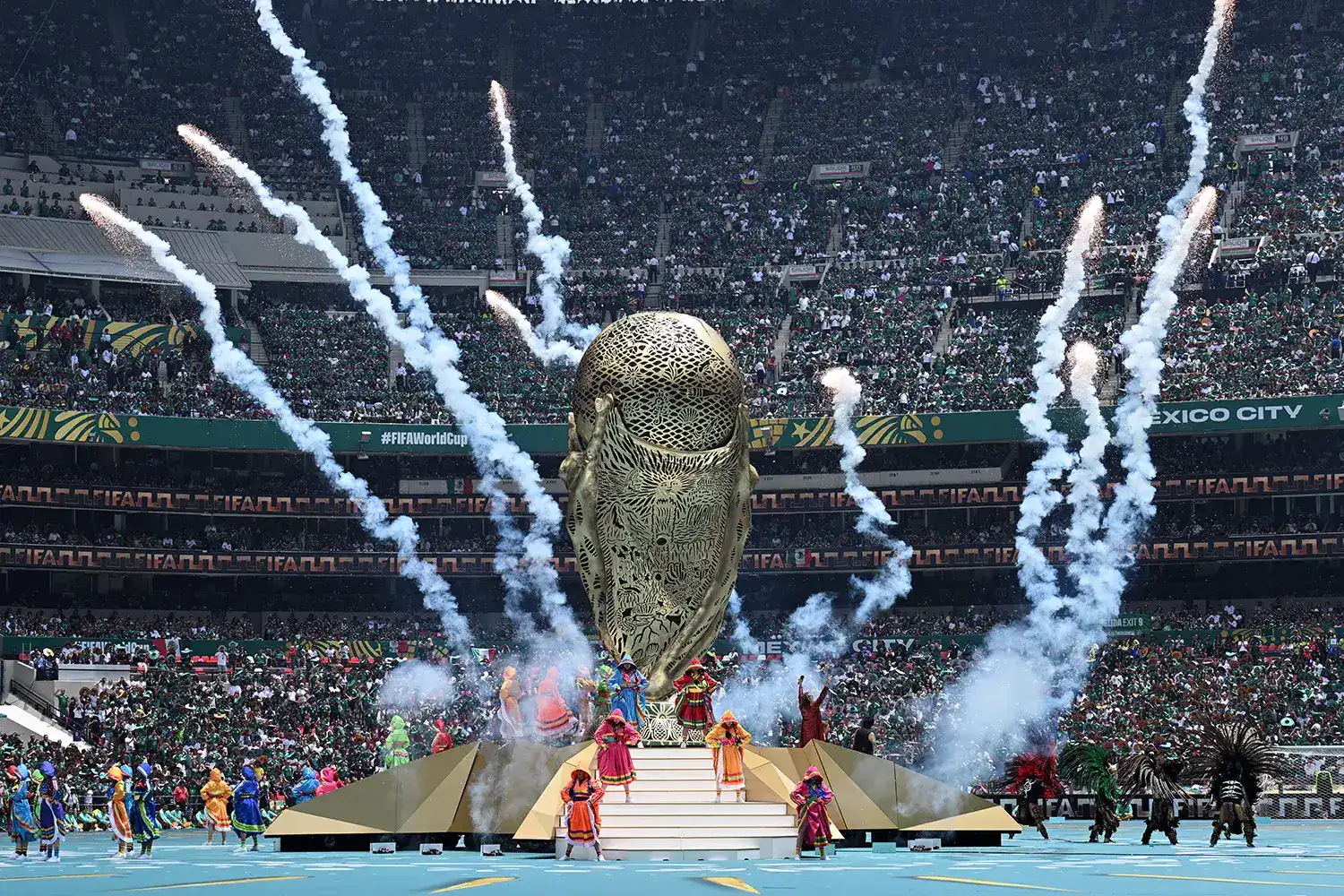
Behind every packed stadium, every sold-out ticket, every viral moment and every television broadcast at the 2026 FIFA World Cup sat a business decision.
Expanding the competition to 48 teams was never only about giving more countries a place on the biggest stage. Every extra match became another television event, another sponsorship asset, another batch of tickets to sell, and another reason for millions of fans to remain invested until the final whistle.
The same commercial mindset influenced nearly every element of the competition. FIFA implemented dynamic ticket pricing, which changed prices based on demand. International sponsors spent millions of dollars to reach viewers across every continent. First-class hospitality turned football into a luxury entertainment experience, and digital channels kept the World Cup in the headlines long after the final whistle.
This made the world’s biggest football tournament its most valuable commercial product. This matters because football these days is not merely about sporting achievement. The organisations that are shaping the future of the game understand that winning trophies and building sustainable businesses are no longer separate ambitions. The one increasingly depends on the other.
For African football, this insight may prove the most lasting lesson of the 2026 World Cup.
The continent has never lacked talent, passionate supporters or unforgettable football stories. What it has often lacked is the commercial strategy needed to turn those strengths into stronger leagues, healthier clubs, more sustainable federations and institutions capable of creating value long after major tournaments end.
The greatest opportunity created by the 2026 World Cup may have little to do with what happened on the pitch. The key is to understand the tournament’s business decisions and, more importantly, to ask what African football can learn from them.
FIFA Didn’t Expand the Tournament. It Expanded the Business
When FIFA announced that the 2026 World Cup would expand from 32 teams to 48, much of the public debate focused on football.
Will the tournament be too long? Would weaker teams lower the level of competition? Will qualifying for the World Cup lose some of its prestige?
Those were reasonable sporting questions. But commercially, FIFA was solving a different problem altogether.
The 2022 World Cup in Qatar featured 64 matches. The 2026 edition staged 104, creating 40 additional games that could each be packaged, sold and monetised.
64 matches, 32 teams, six continents, one incredible tournament.
— FIFA (@FIFAcom) December 18, 2022
Whether in Doha or elsewhere, the magic of the #FIFAWorldCup has been felt by fans all around the world ✨🌍#FootballUnitesTheWorld pic.twitter.com/seVSDRwbqd
Every extra match represented new commercial inventory. Broadcasters received more live programming to sell to advertisers. Sponsors gained more opportunities for brand exposure. Host cities welcomed more visitors. Stadium operators sold more tickets. Hospitality providers created more premium experiences. FIFA generated additional licensing opportunities around every fixture.
Instead of relying on a single final or a handful of blockbuster matches, FIFA increased the number of revenue-generating products throughout the tournament.
It was a simple yet effective business decision. The World Cup expanded as it became more commercially valuable.
The strategy proved effective. Prior to the commencement of the tournament, FIFA projected that the 2023-2026 cycle would yield around $11 billion in revenue. That estimate has already risen to approximately $15 billion, primarily due to the expansion of the World Cup.
That stands out as a prime example of strategic product expansion in global sport. FIFA did not significantly alter the aspects that fans cherish about the World Cup. It effectively generated additional opportunities for individuals to watch, attend, sponsor, and engage with it.
That approach holds an important lesson for African football. Growth in sport doesn’t always start with securing new sponsors; often, it begins with developing more valuable and innovative products.
Football’s Most Valuable Asset Isn’t the Trophy. It’s Attention
If the expanded tournament opened up additional opportunities for sales, broadcasting ensured that billions of people were ready to engage with them.
Amid discussions surrounding sponsorships, ticket sales, and hospitality, it is essential to recognise that television and streaming remain the primary financial drivers of the World Cup. Without large audiences, the other commercial opportunities associated with the tournament would not hold the same level of value.
That is why FIFA spends years negotiating media rights across different regions of the world. Broadcasters are not simply buying football matches. They are buying access to one of the few events capable of attracting huge live audiences at a time when television viewing is becoming increasingly fragmented.
The numbers explain why. According to FIFA, the 2022 World Cup reached more than 5 billion people across television, streaming and digital platforms, making it one of the most-watched sporting events in history.
The 2026 tournament reinforced that trend. In the United States, where football has traditionally competed with American football, basketball and baseball for attention, the World Cup produced record audiences. The USA’s Round of 32 4-1 win against Bosnia-Herzegovina became the most-watched English-language football broadcast in American television history, with a preliminary average of 24.429 million viewers and a peak audience of 31.883 million.
The final between Spain and Argentina also set new viewing records, drawing 38.937 million viewers and becoming the most-watched English-language soccer telecast in U.S. history.
For African football, this lesson holds significant importance. Many discussions regarding broadcasting on the continent start with a singular inquiry: What is the financial commitment that television companies are prepared to make for our league?
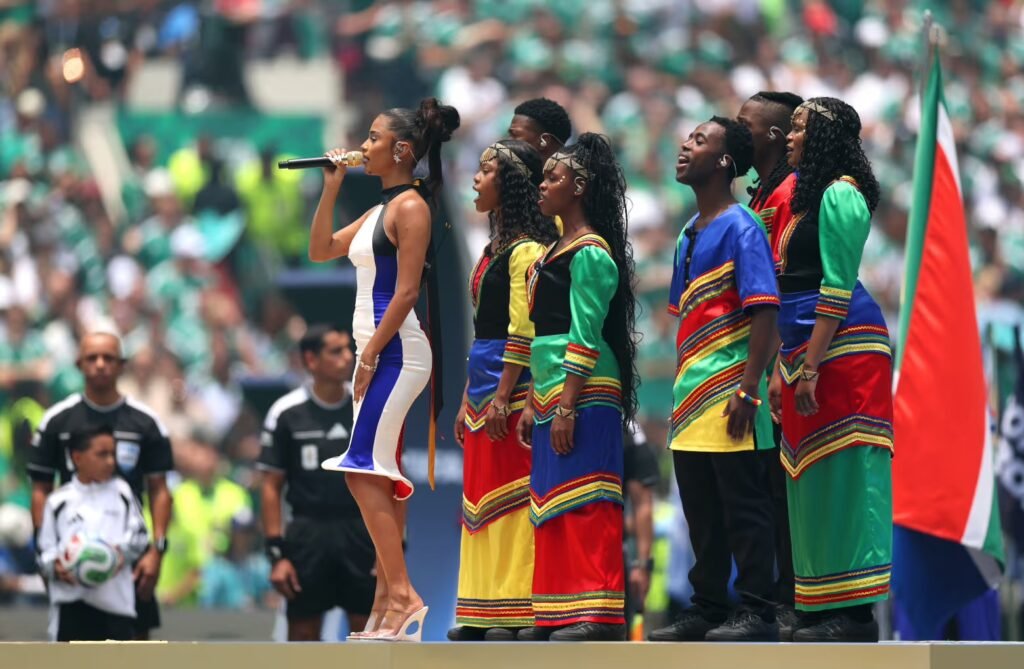
The more pertinent enquiry is, how can we create a football product that captivates audiences and keeps them coming back to watch every week?
Negotiations alone do not create strong media rights. Compelling competitions, reliable scheduling, better production quality and stories that keep supporters emotionally invested throughout the season earn them.
If African leagues want larger broadcasting deals in the future, they must first become products that consistently command attention. Attention, more than any trophy or sponsorship agreement, has become football’s most valuable currency.
Brands Didn’t Sponsor Football. They Sponsored Emotion
Major global corporations, including Adidas, Coca-Cola, Visa, Lenovo, Qatar Airways, and Hyundai, along with numerous regional partners, made substantial investments in the World Cup.
On the surface, it looks like they were simply paying to display their logos around the pitch. In reality, they were tapping into something much more valuable.
The World Cup gives brands access to moments that people remember for decades. A winning goal in stoppage time. An historic upset. A trophy celebration. A child’s first football memory. Those emotional moments create connections that conventional advertising rarely achieves.
That’s why sponsorship has taken on a whole new level beyond just branding. Today’s partners are looking for cohesive campaigns that span television, social media, digital content, fan festivals, player appearances, and community initiatives. They aim for fans to engage with their brands instead of just being aware of them.
The companies backing the World Cup aren’t gauging their success by the number of media impressions. They are assessing involvement, brand recognition, customer commitment, and financial influence well beyond the conclusion of the tournament.
In essence, football has become a platform for storytelling. That distinction matters because it changes how football organisations should approach their commercial partnerships.
Across various regions in Africa, discussions surrounding sponsorship continue to centre on financial support. Organisations and teams frequently reach out to businesses for financial support for events in return for promotional prospects. However, the top-performing clubs in the sport tackle sponsorship in a unique way. They start by asking about the challenges they can help the sponsor with.
Can they help a brand reach young consumers? Can they create original digital content? Can they activate local communities? Can they generate measurable engagement throughout an entire season rather than only on matchdays?
Those are the questions that attract long-term commercial partners.
The World Cup shows that the strongest sponsorships rely not just on visibility but also on meaningful partnerships that benefit both sides. That is a lesson African football cannot afford to ignore.
Football Became an Entertainment Business
For decades, the World Cup was marketed primarily as a sporting competition. In 2026, FIFA made it something much bigger. The tournament became a global entertainment platform where football, music, fashion, gaming and digital culture worked together to keep audiences engaged.
The clearest example was music. Rather than relying on a single tournament anthem, FIFA released an official World Cup album featuring artists from across the world. African stars including Burna Boy, Davido, Rema, Ayra Starr and Tyla appeared alongside global names such as Shakira, Future, French Montana, Major Lazer, Daddy Yankee, Latto, 21 Savage and The Rolling Stones.
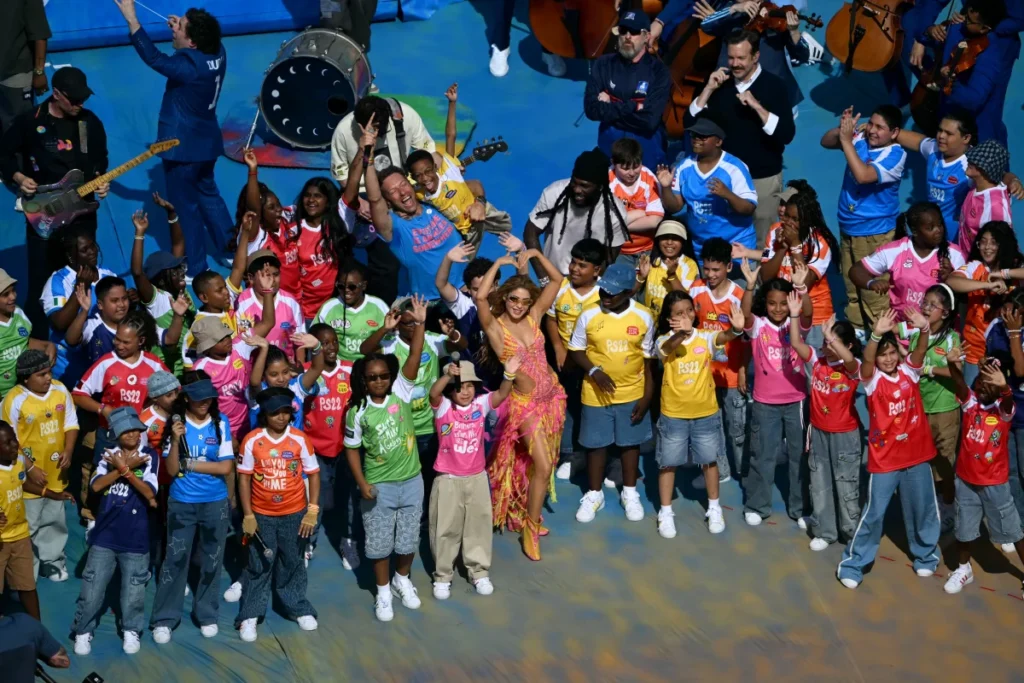
The album was more than a soundtrack. It was a marketing strategy. Every song introduced the World Cup to new audiences. Every stream, playlist, music video and social media post kept the tournament in the public conversation beyond matchdays. Football attracted the audience, but music helped FIFA hold their attention.
The same thinking shaped the tournament’s biggest occasion. The 2026 final featured the first-ever FIFA World Cup halftime show, with Burna Boy, Shakira, BTS, Justin Bieber, and Madonna performing before a global television audience. Borrowing a model that has helped make the Super Bowl one of the world’s biggest entertainment events, FIFA demonstrated that the World Cup could offer far more than ninety minutes of football.
The entertainment strategy extended well beyond the stadium. Across the United States, Canada and Mexico, fan festivals combined live football with concerts, cultural performances, interactive experiences and brand activations.
Content creators and influencers produced behind-the-scenes coverage that generated millions of views across TikTok, YouTube, Instagram and X, ensuring the tournament remained part of the global conversation even on days with fewer matches.
The Fan Experience Became the Product
For many years, football’s business model was pretty simple. People bought tickets, went to games, and then went home.
That’s not enough anymore. The 2026 FIFA World Cup showed that the modern football economy is about a lot more than just the 90 minutes played on the pitch.
People who went to the US, Canada, and Mexico as fans were not just buying tickets to a game. They paid for an experience.
Even supporters who never travelled became part of the experience. FIFA’s digital platforms provided behind-the-scenes content, match highlights, exclusive interviews and interactive features that kept fans engaged before, during and after games.
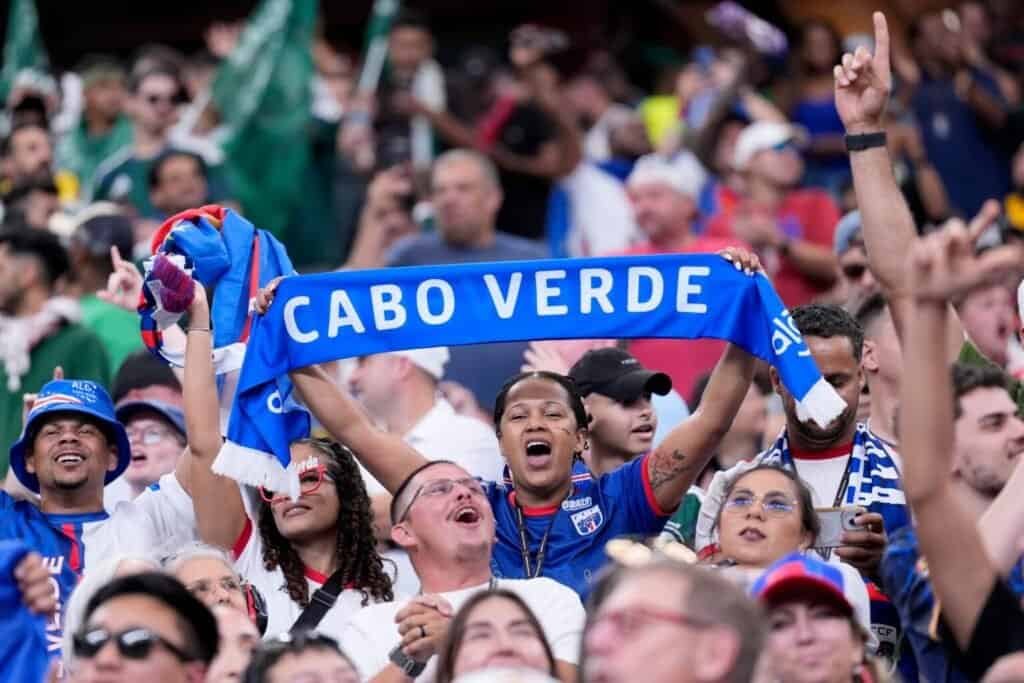
The tournament functioned as a month-long entertainment ecosystem rather than a series of football matches. That strategy reflects a broader shift in global sports.
How easy is it to purchase tickets? What happens prior to kickoff? How can supporters interact with the club during the week? What content keeps them interested during the offseason? How does the experience motivate them to return?
These questions have become as important as tactical systems and transfer signings because they influence how frequently supporters spend money, share content, and stay emotionally connected.
African football possesses vast, unexploited opportunities.
Throughout the continent, fans are already crafting remarkable atmospheres. Stadia in Cairo, Casablanca, Tunis, Johannesburg, Dar es Salaam, and Kumasi consistently highlight some of the most fervent fan cultures in global football. The challenge lies in transforming that passion into a comprehensive football experience.
Improved ticketing systems, family-friendly matchdays, club museums, fan zones, exclusive digital content, membership programmes, community events, behind-the-scenes access and high-quality documentaries can all make a real difference.
The clubs and the leagues that will thrive in the next decade may not be the ones with the biggest stadiums. They will be the ones who see fans as dedicated supporters rather than just occasional onlookers. Football begins with its passionate fans and successful football organisations put them at the heart of their business.
More Than a Tournament: A Blueprint
The 2026 FIFA World Cup will be remembered for its great goals, unexpected results and the triumph of Spain. But from a business point of view, the tournament provided something of equal value.
It showed how football had evolved into a sophisticated entertainment industry, where every decision was made to maximise value in areas such as broadcasting, sponsorship, ticketing, hospitality, digital media and fan interaction.
African football can gain valuable insights from these lessons without having to replicate FIFA’s vast scale. The circumstances are unique. The challenges it encounters are unique. Nevertheless, the principles remain remarkably similar.
Africa already has many of the ingredients modern football prizes most: a young population, passionate fans, outstanding talent, vibrant football cultures and a rapidly expanding digital audience.
The next stage of development will depend on the success of turning these strengths into stronger clubs, more efficiently run leagues and financially sustainable football organisations.
The 2026 FIFA World Cup served as a timely reminder that the biggest wins in football happen off the pitch. Sometimes, the victories are won long before the event, in the boardrooms, in planning meetings, in the decisions that supporters never see.
For African football, recognising this may prove to be the tournament’s most valuable lesson of all.
About the Author



0 Comments