
The Betting Backstop: How Betting Revenue Became African Football’s Commercial Backbone
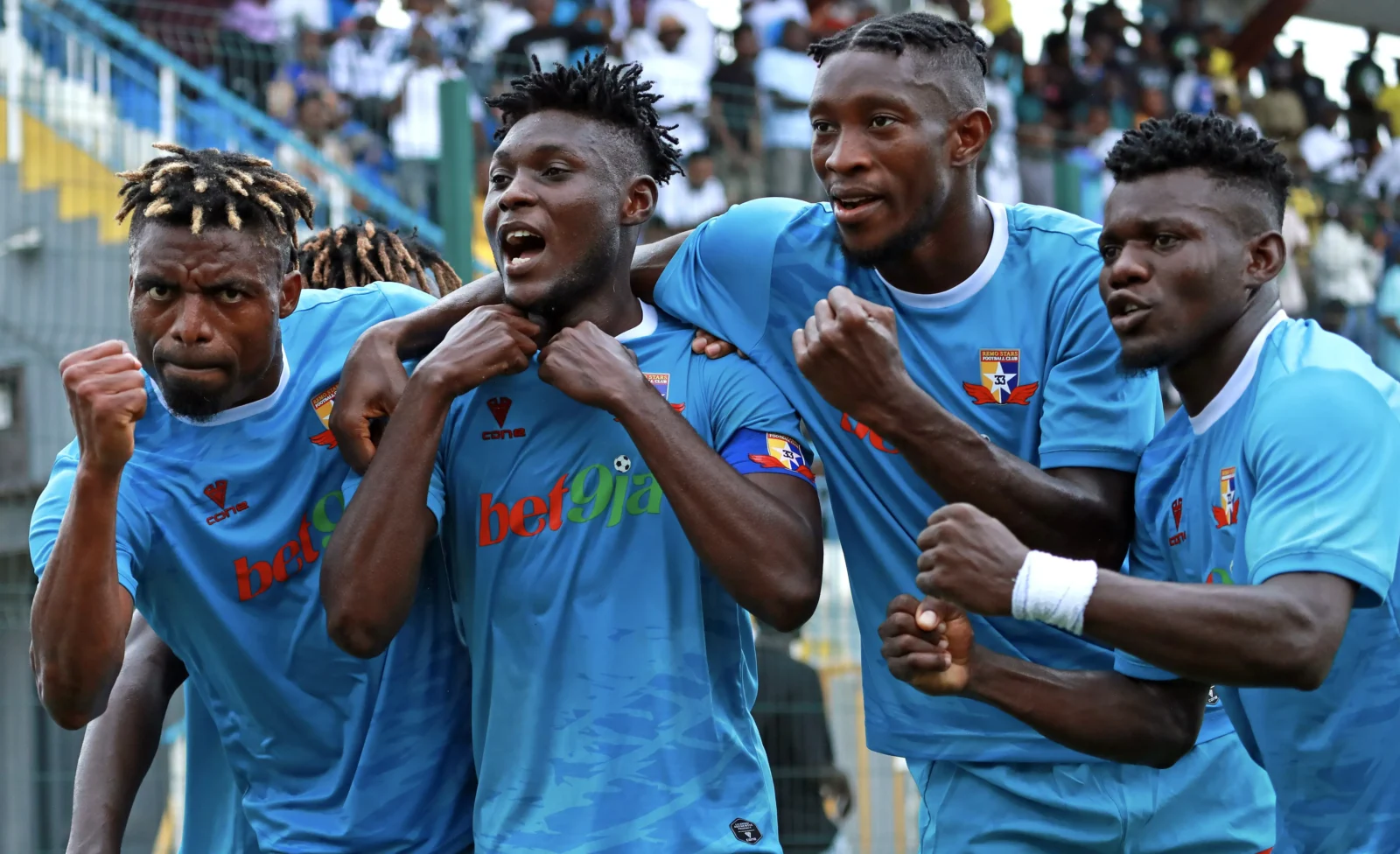
Walk into a football viewing centre in Lagos on a Saturday and you will probably see a betting brand somewhere.
It could be on the screen before kick-off, on a fan’s phone or on the shirt of the team playing. People are checking odds, discussing possible scores and placing bets as they watch the game.
That connection between football and betting has also become part of African football itself. Betting companies now sponsor leagues, clubs and competitions across the continent.
Betway has the naming rights to South Africa’s top division. SportPesa has a 10-year, KSh1.12 billion sponsorship deal with Kenya’s Premier League. In Tanzania, the company has a three-year, TZS21.7 billion deal with Yanga SC. In Ghana, betPawa pays players and technical staff bonuses after league wins. In Nigeria, betting companies dominated front-of-shirt sponsors for NPFL clubs during the 2025/26 season.
Betting companies have become some of the biggest commercial supporters of African football.
The reason is that football gives them access to the audience they want. But the growing dependence on betting money also raises a bigger question about how African football is being funded.
Football Gives Betting Companies The Audience They Need
Betting companies keep investing money into football because the sport already has the audience they want.
Fans watch their teams every week. They follow results, discuss players and spend hours talking about matches before and after they are played. For a betting company, that creates plenty of chances to put its brand in front of potential customers.
A domestic league match can bring fans in on Saturday. European football takes over in the middle of the week. Then add Champions League games, AFCON matches, international qualifiers and domestic cup competitions to all these. Even when there is no major tournament, football keeps people talking on television, social media and WhatsApp.
That is where betting fits into the culture around the game.
A fan can watch a match on television, discuss a referee’s decision in a WhatsApp group and check the odds on the same phone. At a viewing centre, people can talk through possible scores before kick-off and compare their bets as the game goes on.
Betting companies have built their marketing around this behaviour. Their brands appear on club shirts and stadium boards. They sponsor leagues and competitions. They advertise during broadcasts and push betting offers on social media. Some also offer live betting while matches are still being played.
Research on gambling advertising in sub-Saharan Africa shows how widely betting promotion now appears across sports sponsorship, television, digital platforms and social media.
Football also gives betting companies access to markets where sponsorship can still be relatively cheap compared with Europe’s biggest leagues.
A company can put its name on a club shirt or league and reach thousands or millions of football fans without paying the kind of money required to sponsor a major European competition.
For betting companies, that makes African football a useful place to spend their marketing money. For African football, it has created a relationship that is becoming harder to ignore.
In Africa, The Sponsor Often Fills A Gap
The deeper story is that betting money arrived in a football economy that needed it.
African football has passionate supporters. What it has struggled to build is a commercial system capable of turning that passion into reliable income.
Clubs have often operated with limited match-day revenues. Domestic broadcast deals are nowhere near the money available in Europe’s leading leagues.
Merchandise sales are also low in many countries, while private investment can be difficult to secure. A league can have thousands of people watching every weekend and still struggle to find companies willing to pay for access to those fans.
Betting companies have been willing to pay. That is one reason their brands have become so common around African football. They saw an audience that was already there and a market where sponsorship could give them strong visibility.
CAF has also increased its own financial commitment to African club football. Investment in interclub competitions rose from $19 million in 2021 to $48 million in 2026, according to the confederation. The CAF Champions League winner’s prize has also risen to $6 million.
CAF increases Champions League prize money to $6m
— The Nation Nigeria (@TheNationNews) May 24, 2026
The Confédération Africaine de Football (CAF) has announced a major increase in prize money for its interclub competitions, with the winners of the TotalEnergies CAF Champions League set to receive USD 6 million.
The increase… pic.twitter.com/NERJIDfTOa
But continental prize money does not pay every domestic club’s bills. That is where sponsorship becomes important.
South Africa shows how far betting sponsorship has gone. Betway became the title sponsor of the country’s top division in 2024 after DStv’s naming-rights deal ended. The league is now known as the Betway Premiership.
The brand is no longer simply advertising around the competition. Its name is part of the league.
Kenya shows another side of the relationship. SportPesa’s 10-year deal with the Football Kenya Federation is worth KSh1.12 billion, with 60% of the money going directly to the 18 clubs in the league.
For a league that has faced years of financial uncertainty, a sponsor willing to commit money for a decade offers something that a one-season deal cannot: some idea of what the next few years could look like.
That kind of financial certainty helps explain why football administrators keep welcoming betting companies.
Nigeria’s Club Shirts Tell The Story
Nigeria’s NPFL shirts offer a good picture of how important betting money has become to domestic football.
During the 2025/26 season, Bet9ja appeared on Remo Stars’ shirt, BetKing sponsored Ikorodu City, Stake sponsored Enyimba and BC.Game backed Kwara United. These betting companies took the most visible sponsorship position on four NPFL clubs.
The deals also show how betting companies have followed clubs at different stages of their growth.
BetKing’s partnership with Ikorodu City began when the Lagos club was still in the second tier. After winning promotion to the NPFL, Ikorodu City finished fourth in its first season in the top flight. BetKing then renewed its partnership for the 2025/26 season.
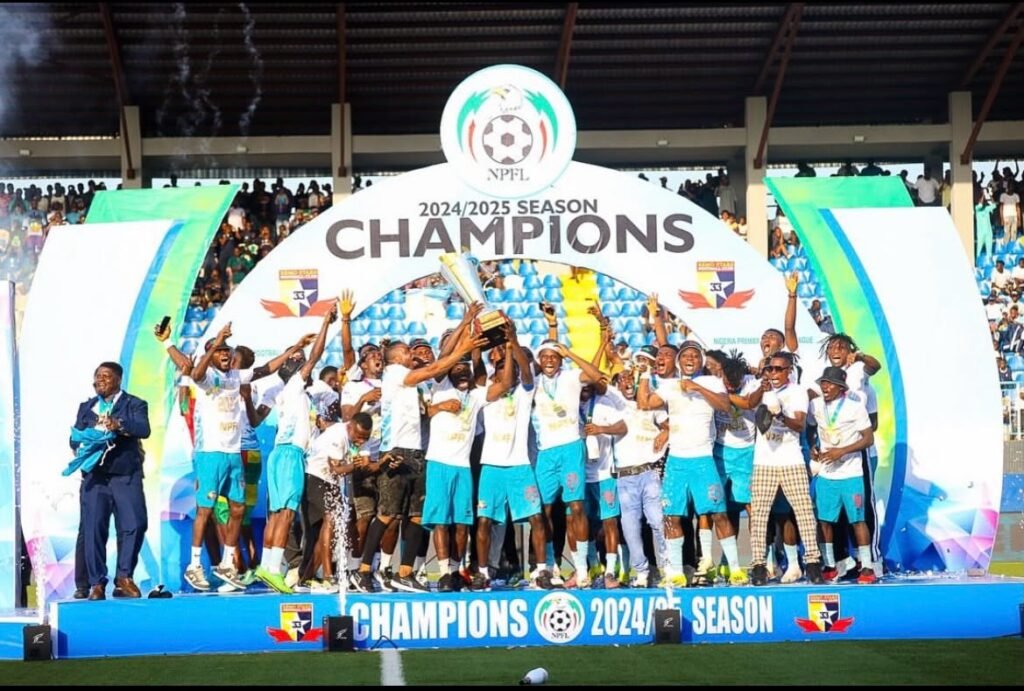
Remo Stars offers another example. Bet9ja’s relationship with the club has grown as Remo Stars have become one of Nigeria’s strongest sides. The club won the 2024/25 NPFL title for the first time in its history and qualified for the CAF Champions League, giving its sponsor exposure in both Nigerian and African club football.
Kwara United’s deal shows why even smaller sponsorships can matter.
The Ilorin club signed a one-year, $35,000 shirt sponsorship agreement with BC.Game before returning to continental football. That amount would be small by the standards of Europe’s biggest clubs. For an NPFL side with far fewer commercial income streams, it can make a real difference.
That is the important point about sponsorship money in African football. The value of a deal cannot always be judged by comparing it with European football.
A $35,000 sponsorship may look modest from the outside. For a club trying to cover its costs, pay players and prepare for continental competition, the same money can be significant.
The bigger question is why betting companies are so willing to spend that money while banks, technology companies, consumer brands and other large businesses have been slower to compete for the same space.
Ghana And Tanzania Offer Another Example
Ghana offers one of the clearest examples of how betting money has entered African football.
BetPawa’s Locker Room Bonus pays players and technical staff after league victories. The scheme started in the Ghana Premier League before expanding into women’s football. In the 2025/26 season, each winning player received GH₵400, while members of the technical team were also paid.
The money goes straight to the people who played the match.
By 2026, BetPawa said the scheme had paid more than $1.67 million across eight African markets: Nigeria, Ghana, Uganda, Kenya, Rwanda, Tanzania, Malawi and Cameroon. More than 7,000 players and technical staff at 387 clubs had received payments through more than 47,000 individual payouts.
Tanzania’s Yanga SC offers another example.
SportPesa’s relationship with the club dates back to 2017. In August 2025, the company renewed its position as Yanga’s primary sponsor in a three-year deal worth TZS21.7 billion. It also paid the club a TZS262.5 million bonus after its 2024/25 league title. The partnership extends to Yanga’s women’s team and grassroots football programmes.
Yanga went on to win a fifth consecutive league title in the 2025/26 season.
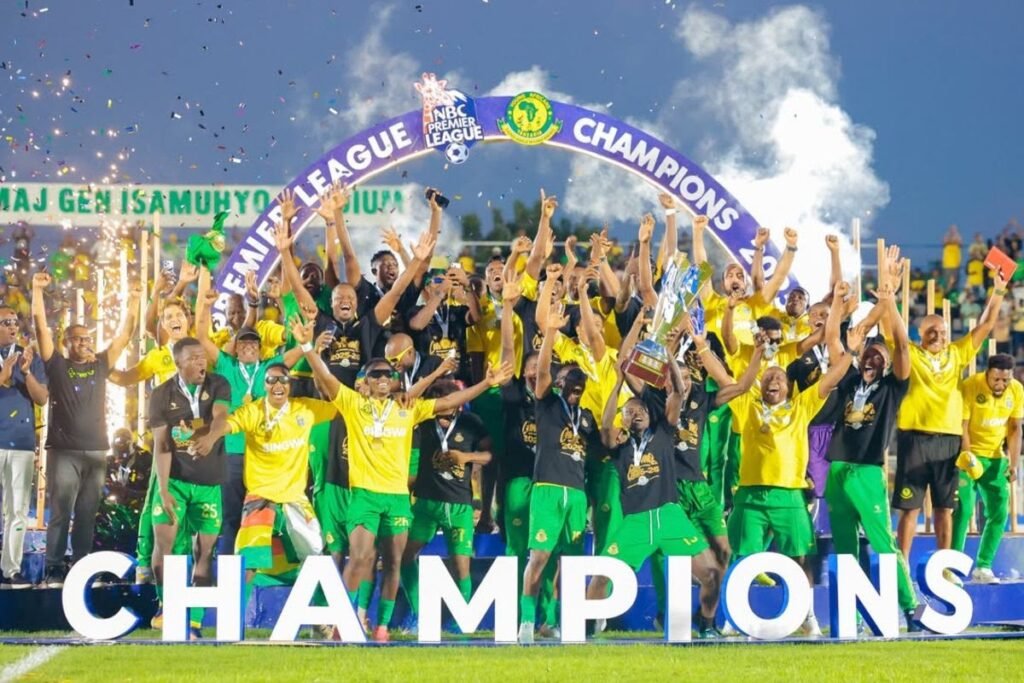
For SportPesa, the deal keeps its brand tied to one of Tanzania’s biggest football institutions. For Yanga, it provides a sponsor that has stayed with the club through several seasons and continued to put money into the relationship as the team has won trophies.
That is why betting sponsorship has become more than advertising in some African leagues. The money can reach the shirt, the club, the players, the women’s team and even grassroots programmes.
The Money Comes With A Cost
The same thing that makes football attractive to betting companies is what makes their presence controversial.
Betting companies want football fans to become betting customers. That is the business. The more often people watch matches, see betting adverts and encounter promotional offers, the more opportunities bookmakers have to get them to place a bet.
That becomes more complicated when the audience includes young people.
Research in Ghana has linked football betting among university students to factors such as peer influence, exposure to betting through the media and the expectation of making money. Wider research on gambling advertising in sub-Saharan Africa has also raised concerns about the way sports sponsorship, digital advertising and promotional offers can make betting feel like a normal part of following football.
The issue is easy to see at ground level. A club needs money, so it takes a betting sponsor. The sponsor gets its name on the shirt and around the stadium. Fans see the brand every week. Many of them also see betting adverts on their phones while following the same matches.
The commercial relationship therefore reaches much further than a shirt logo. African football cannot separate the financial benefit from the influence that comes with the money.
Europe Is Creating A Different Betting Market
The changes taking place in European football make this relationship even more interesting.
The Premier League’s voluntary ban on front-of-shirt gambling sponsorship took effect from the 2026/27 season. English top-flight clubs can still work with betting companies in other areas, but gambling brands can no longer occupy the main shirt position.
Clubs now have to find other sponsors for one of the most valuable pieces of advertising space in football. Finance companies, technology firms, tourism businesses and other industries are competing for that exposure, helping push up the value of some shirt deals.
African football operates in a very different commercial market. Many leagues do not have enough large companies competing for sponsorship to easily replace betting money.
That could make Africa even more attractive to betting companies looking for football audiences.
The bigger question for African football is what happens if that dependence continues. If betting becomes harder to market through football in some of the world’s richest leagues, African clubs and competitions could find themselves receiving even more attention from an industry that already has a strong presence across the continent.
That may bring more money. It could also make diversification more urgent.
Who Else Is Willing To Pay?
Betting companies did not create the commercial problems facing African football. They found a market where those problems already existed.
They found clubs that needed sponsors, leagues with loyal supporters and football audiences that were still relatively cheap to reach compared with Europe’s biggest competitions. The opportunity made commercial sense, so betting companies moved in.
African football now needs more companies to see the same opportunity.
Imagine an NPFL where banks, telecoms companies, airlines, consumer brands and technology firms are competing for the best club shirts. Imagine Ghanaian clubs building membership programmes that give supporters a direct financial stake in the teams they follow. Imagine Tanzanian clubs turning huge fan bases into serious merchandise and digital-content businesses.
There is also a bigger opportunity in broadcasting. African leagues have millions of supporters, but many still struggle to prove the value of those audiences to broadcasters and sponsors because reliable audience data is limited.
Better data could change that. A league that can show exactly who watches its matches, where those viewers live, what they watch and how often they return has a much stronger case when it goes looking for commercial partners. That is the market African football needs to build.
Betting companies have already shown that football audiences can be valuable. The next step is getting banks, telecoms companies, technology firms, airlines, consumer brands and media businesses to compete for the same fans.
For now, betting companies are among the biggest buyers of African football’s commercial space.
The long-term goal should be to make sure they are one part of a much bigger market.


0 Comments