
Ten Teams. One Continent: Why the 2026 World Cup Could Be Africa’s Greatest Football Opportunity Ever
By Arizechukwu Okekeogbu
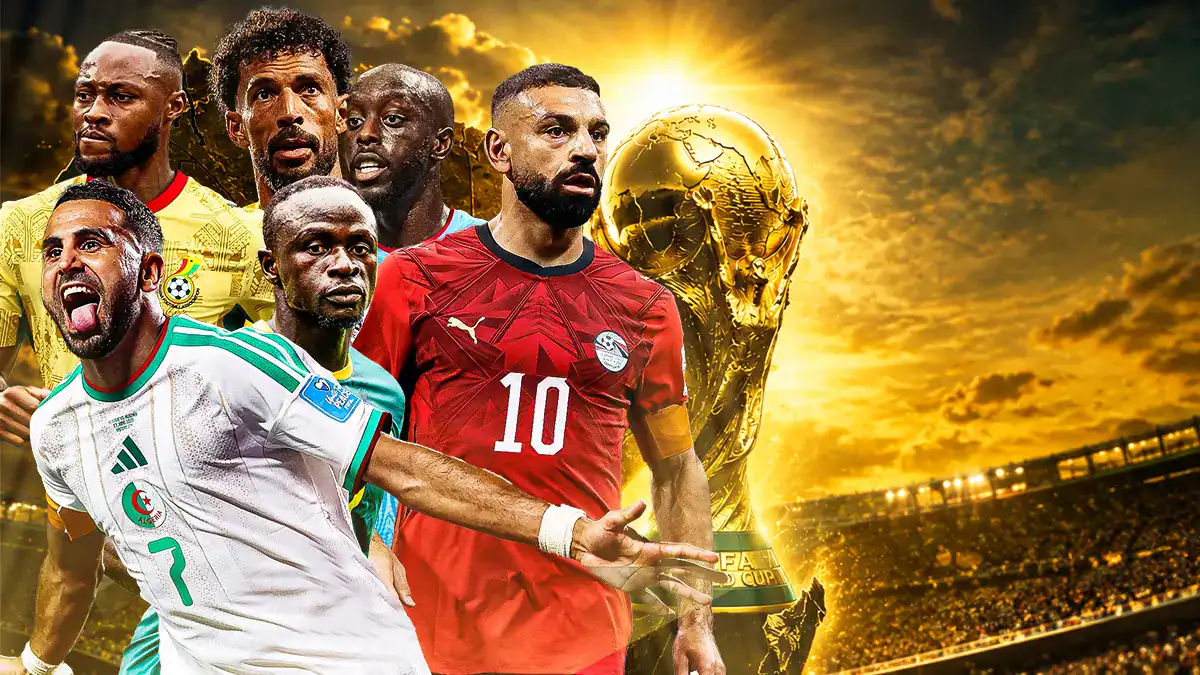
For the first time since the FIFA World Cup began in 1930, 10 African nations will compete at this year’s edition. The expansion of the men’s World Cup from 32 to 48 teams has doubled the continent’s representation, creating an opportunity unlike any African football has experienced before.
Morocco, Senegal, Egypt, Algeria, Côte d’Ivoire, Ghana, Tunisia, South Africa, Cape Verde and DR Congo will arrive in the United States, Canada and Mexico carrying different ambitions, different styles of play and different football stories.
On paper, it is simply an increase in qualification places. In reality, the tournament could mark one of the defining moments in African football history.
For decades, African football has measured progress through individual achievements. Cameroon reached the quarter-finals in 1990. Senegal repeated the feat in 2002. Ghana came within a penalty kick of the semi-finals in 2010. Morocco made history in Qatar by becoming the first African nation to reach the last four of a FIFA World Cup.
The World Cup in 2026 will present an entirely new opportunity. Ten nations with diverse aspirations, identities, and narratives will have the opportunity to influence the World Cup rather than just take part in it or have a small number of African countries carrying the hopes of the continent.
More African teams mean more matches broadcast across the continent, greater commercial opportunities for federations, increased visibility for players, stronger bargaining power for sponsors and broadcasters, and more opportunities for supporters across the African diaspora to see their countries represented on the world’s biggest sporting stage.
More Than an Expanded Tournament
When FIFA announced that the 2026 World Cup would feature 48 teams instead of 32, much of the debate focused on logistics.
Critics questioned whether expanding the tournament would dilute its quality. Others argued that it would simply make qualification easier for traditional football powers. For Africa, however, the conversation was fundamentally different.
For years, CAF’s allocation of five World Cup spots had been seen as not being representative of the size of the continent and its growing input into global football. Africa has 54 FIFA member associations, more than any confederation except UEFA, yet regularly has only five teams at the World Cup.
The new format changes that dramatically. Nine African teams qualified automatically, while the DR Congo secured the tenth place through the intercontinental play-offs.
That shift could alter African football beyond this tournament. World Cup qualification influences government investment, sponsorship decisions, youth development programmes and public confidence. When reaching the World Cup becomes more realistic, federations have stronger incentives to invest in the structures capable of sustaining success.
A Different Africa Will Arrive
The ten teams travelling to North America represent more than just Africa’s traditional footballing powers.
Morocco will arrive as the continent’s standard-bearers after redefining African football at Qatar 2022. Senegal remains one of Africa’s most consistent national teams. Egypt will bring one of the continent’s richest football histories, while Algeria, Tunisia, Ghana, Côte d’Ivoire and South Africa each represent different stages of football development.
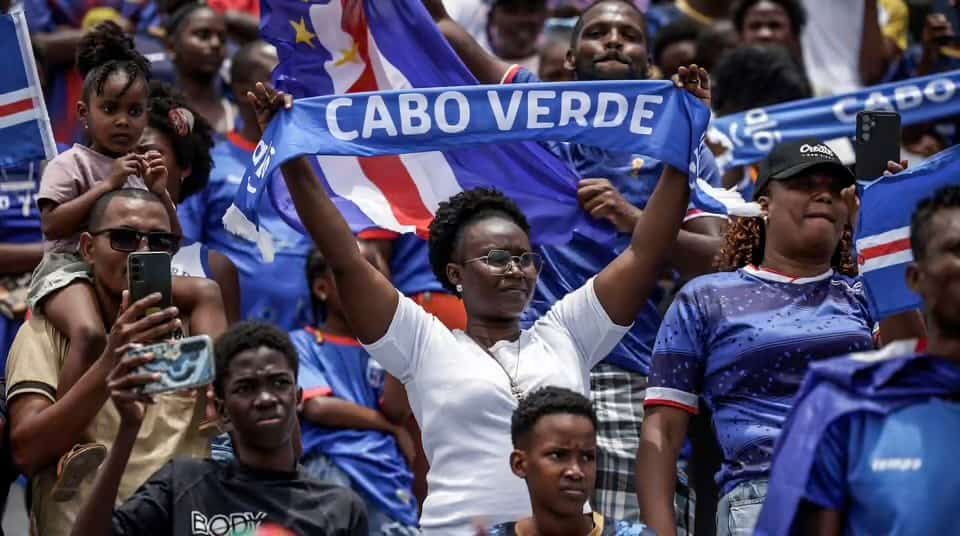
Then there is Cape Verde. With a population of just over half a million, the island nation will be one of the smallest countries ever to compete at a FIFA World Cup. Their qualification is not simply an underdog story. It reflects years of careful planning, tactical organisation and intelligent use of a diaspora spread across Portugal, France, the Netherlands and other parts of Europe.
For a country with limited resources compared to football’s traditional powers, reaching the World Cup demonstrates that modern success increasingly depends on organisation rather than on population size.
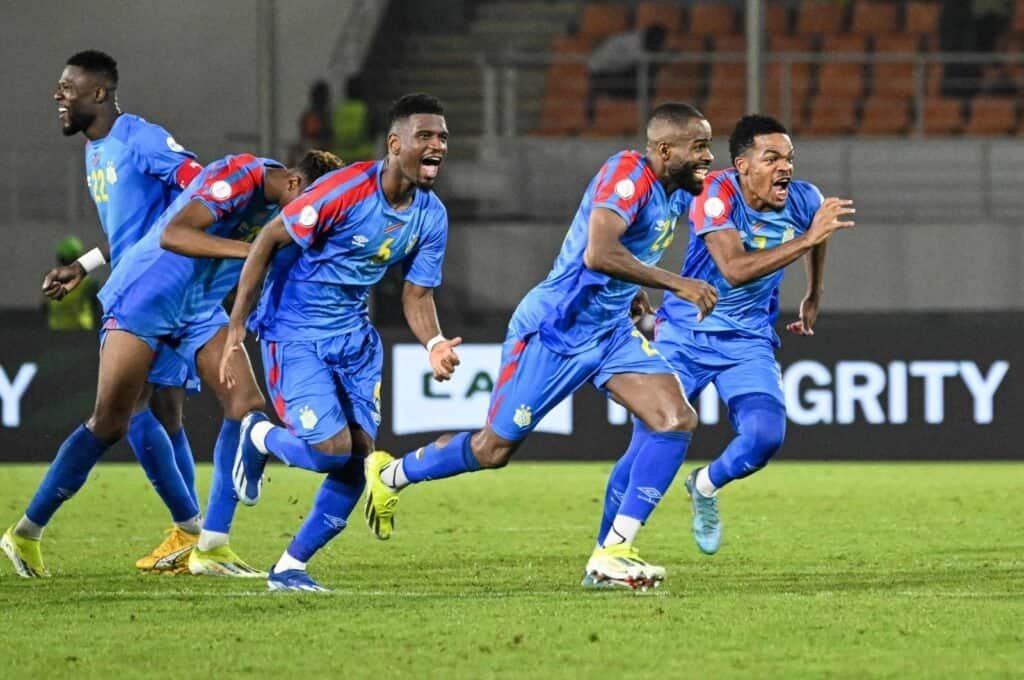
DR Congo’s return carries its significance too. Once one of Africa’s most respected football nations, the Leopards will return to the World Cup for the first time since 1974, ending a 52-year absence and signalling the revival of one of the continent’s historic football programmes.
Perhaps the biggest statement, however, comes from the countries that will not be there.
Nigeria and Cameroon, two nations that have defined African football for generations, both failed to qualify. Their absence says less about decline than about how much more competitive African qualification has become.
Morocco Already Changed the Story
Morocco’s run to the semi-finals at the 2022 FIFA World Cup remains the greatest achievement by an African nation at the tournament. But its significance extends far beyond the six matches the Atlas Lions played in Qatar.
African football had come close before. Cameroon became the first African nation to reach the quarter-finals in Italy in 1990. Senegal matched that feat on their World Cup debut in 2002. Ghana came within a penalty kick of becoming the continent’s first semi-finalist in South Africa in 2010, only for Luis Suárez’s infamous handball and the dramatic penalty shootout against Uruguay to deny the Black Stars a place in history.
Each campaign expanded the boundaries of what African football was believed to be capable of. Morocco went one step further. It broke the final psychological barrier.
For decades, African teams were often celebrated for their flair, athleticism and individual brilliance, while tactical organisation and defensive discipline were considered the preserve of Europe’s and South America’s traditional powers.
Morocco dismantled that stereotype. The Atlas Lions defeated Belgium, Spain and Portugal through tactical intelligence and an unwavering belief in their system. Their success was not the product of fortune or emotion. It was the outcome of years of careful planning.
That planning had begun long before Qatar. Over the past two decades, the Royal Moroccan Football Federation has invested heavily in transforming the country’s football ecosystem through elite infrastructure, coaching education, youth development and one of Africa’s most sophisticated talent identification programmes.
At the centre of that strategy is the Mohammed VI Football Academy, which is widely regarded as one of the world’s leading football development centres. Morocco also built an effective diaspora recruitment model, persuading players developed in European academies, including Achraf Hakimi, Hakim Ziyech, Sofyan Amrabat and Noussair Mazraoui, to represent their country of heritage.
Morocco’s greatest achievement, therefore, was not simply reaching the semi-finals. It proved that sustained investment, institutional stability and long-term planning can enable an African nation to compete consistently with football’s traditional superpowers.
That legacy now shapes expectations across the continent. African teams are no longer travelling to the World Cup hoping to earn respect. They are travelling believing they belong.
The Diaspora Could Become Africa’s Hidden Advantage
Modern African football cannot be understood without understanding its diaspora.
Across England, France, Belgium, Portugal, Spain and the Netherlands, generations of African families have produced footballers developed in some of the world’s best academies.
Increasingly, those players are choosing to represent the countries of their parents and grandparents. Morocco has shown how powerful that strategy can become. During the 2022 World Cup in Qatar, 14 of the country’s 26-man squad were born overseas.
Over half of the players in Morocco's squad were born abroad. But fans in Qatar don't care.
— DW Sports (@dw_sports) December 7, 2022
"All of our players are 100% Moroccan," one fan told DW.#Qatar2022 pic.twitter.com/J198Nj4T1S
Senegal, Algeria, Ghana, DR Congo and Cape Verde have also benefited significantly from players whose football education began outside Africa.
Rather than viewing migration as a loss, many African federations now see the diaspora as one of their greatest competitive advantages.
It creates squads capable of combining elite European development with deep cultural connections to Africa. As competition becomes increasingly tactical, that balance could prove one of Africa’s greatest strengths during this tournament.
The Opportunity Goes Beyond Football
Every World Cup is a sporting event. It is also one of the world’s biggest commercial platforms.
Qualification guarantees millions of dollars in FIFA prize money, but the financial benefits extend much further. Sponsors increase spending, broadcasters attract larger audiences, tourism campaigns gain international visibility and merchandise sales grow significantly.
Players also benefit. The World Cup remains football’s biggest shopping window. Strong performances can transform careers, increase transfer values and attract attention from Europe’s leading clubs.
With ten African teams participating, more African footballers than ever before will compete under football’s brightest spotlight.
The opportunity extends beyond economics. The World Cup has become one of the world’s largest cultural events, where music, fashion, entertainment and national identity travel alongside football itself. African supporters, creators, artists and diaspora communities will all enjoy unprecedented visibility throughout the tournament.
For a continent increasingly exporting culture alongside talent, that visibility carries enormous value.
More country representation alone will not solve long-standing challenges around governance, infrastructure, youth development and domestic leagues. Those reforms remain essential.
But for the first time, Africa enters a World Cup with the numbers to influence the tournament in ways never previously possible.
Ten teams equals more stories, rivalries, supporters, commercial opportunities, and chances to demonstrate that African football has entered a new era. This opportunity is unprecedented. How Africa seizes it could have long-term implications for the continent’s football standing.
About the Author



0 Comments