
349 Million Gamers: The Battle for Africa’s Digital Ownership
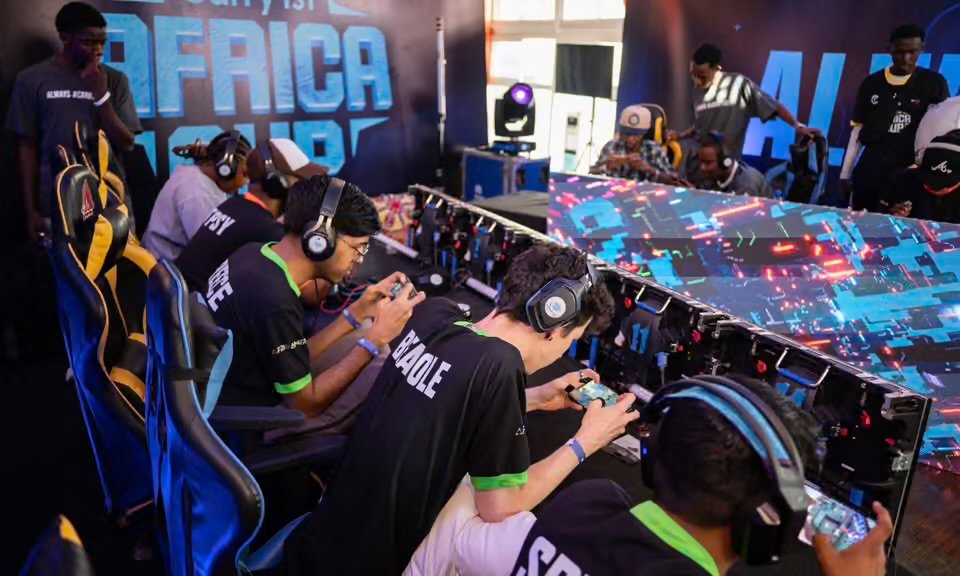
For years, one of the easiest ways to find a serious FIFA player in Lagos was to walk into an onile’s shop.
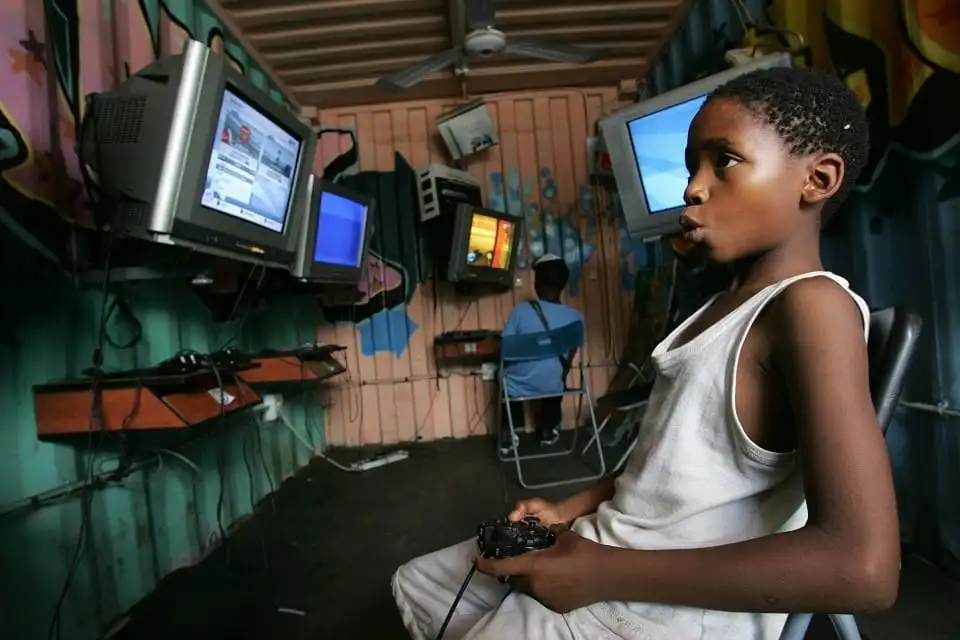
The name comes from Yoruba for “one who owns a house”, but in Nigerian gaming culture it has also been used for neighbourhood game centres where young people paid to play FIFA, Pro Evolution Soccer, and other console games.
Africa gaming market has grown far beyond those rooms. With a smartphone, a player can now play Call of Duty Mobile, EA SPORTS FC Mobile, or other online games without needing a PlayStation or Xbox. Esports companies are organising tournaments. African studios are making their own games. Publishers are building payment systems for players who cannot always use international cards.
A 2025 analysis by Carry1st and Newzoo puts Africa at 349 million gamers, with the continent’s gaming market valued at $2.29 billion. The market is growing at 12.32% a year, about six times the global average, with roughly 87% of players gaming on mobile.
The continent’s gaming market generated more than $1.8 billion in 2024, with mobile games accounting for about $1.6 billion.
That makes Africa one of the world’s fastest-growing gaming markets.
It also raises a question. If so many people are playing, who owns the businesses built around them?
The Smartphone Changed the Game
Africa did not need millions of PlayStations to become a major gaming audience. It needed smartphones.
Mobile games accounted for nearly 90 per cent of Africa’s gaming revenue in 2024. The number of mobile gamers reached 304 million.
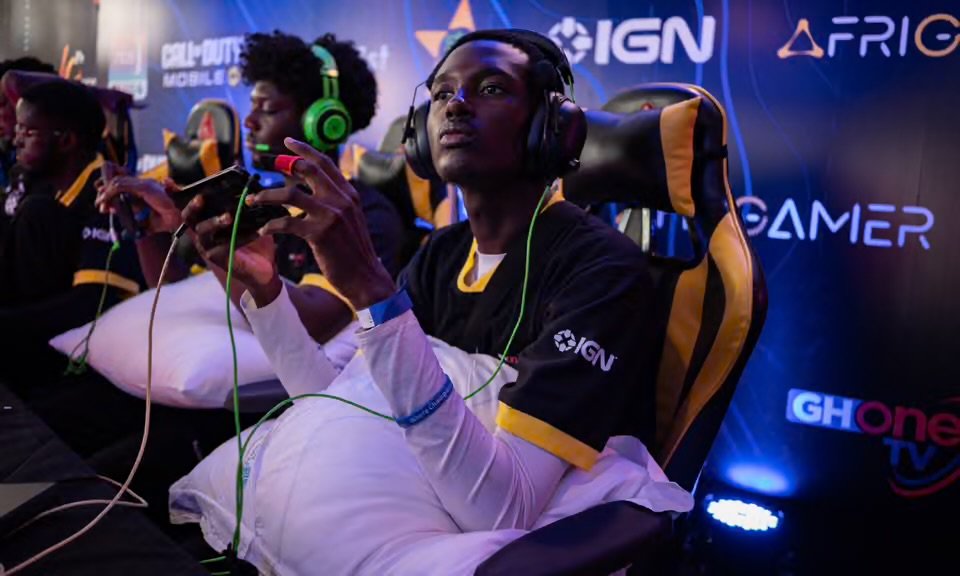
That is important because mobile gaming removes some of the costs that once kept people outside the market. A player does not need a television, a console, or a stack of expensive games to join a multiplayer match. A smartphone and an internet connection can be enough.
Nigeria is a good example. A 2025 report from Maliyo Games estimated 46.6 million active gamers in the country and found that 90 per cent played on mobile. The report also traced the country’s gaming culture from informal FIFA battles in neighbourhood centres to tournaments, university clubs, gaming hubs, streamers and organised esports.
The person who once paid to play FIFA for an hour can now become a tournament competitor, streamer, or content creator. A game centre can become an esports venue. A group of friends playing online can become a community attractive to brands.
Gaming is becoming part of the same youth culture that surrounds football, music, and social media. And that is where the business opportunity gets bigger.
Africa Is Already Building Around the Player
Africa’s gaming ecosystem is not a passive consumer frontier waiting on foreign giants. Local studios and tech founders are already engineering native platforms, monetization models, and titles built specifically around the continent’s booming digital audience.
Carry1st began in 2018 and has grown into a publisher and digital-commerce company working with international game companies. Its portfolio has included Call of Duty: Mobile, VALORANT, Mancala Adventures, and Mergedom. It also operates Pay1st, a payments service designed to make digital purchases easier for African consumers.
The South African company has attracted investment from firms including Andreessen Horowitz, Sony, BITKRAFT, Google, and Riot Games. Sony’s Innovation Fund made a $10m investment in Carry1st in 2024, giving the African company another link to one of the world’s biggest gaming businesses.
That tells us something useful about Africa’s gaming problem.
The continent does not simply need more people making games. It needs more companies capable of taking a game from development to a paying audience.
Also, the strongest evidence that an African gaming industry is growing can be found in the games themselves.
Lagos-based Maliyo Games has built mobile titles around ideas that feel familiar to African players. Whot King turns West Africa’s popular Whot card game into a mobile experience. Aboki Run follows three friends through a fantasy world inspired by African folklore. Safari City uses a puzzle-and-renovation format, while Disney Rising Chef puts players in a Lagos restaurant where they cook Nigerian food for customers.
The same applies to Ghana’s Leti Arts. Its Africa’s Legends franchise turns African folklore and historical figures into superheroes. Ananse: The Origin takes Kweku Ananse, the Ghanaian folklore character known for his cunning, and reimagines him as a superhero in a modern setting.
The Hard Part Is Turning a Good Game Into a Big Business
Making a game is only the first step.
A studio requires designers and programmers. Then, funding is required to keep the team operating. After the game is complete, someone needs to market it, distribute it, oversee its community, handle payments, and maintain player interest.
Africa’s developer base is growing, but the business remains difficult.
The 2025 Africa Games Industry Report found that the continent had about 250 active studios in 2024. More than half of surveyed developers reported earning no income from their work, while only 3 per cent received government funding.
There is a difference between having developers and having an industry capable of supporting developers.
A talented team can build a game. It takes capital, publishing expertise, and distribution to turn that game into a company that can survive several releases.
That is why the next stage of African gaming may depend less on discovering another brilliant programmer and more on building the businesses around the programmers who are already here.
The Football Connection
FIFA games and their successors have been part of African gaming culture for years. In Nigeria, informal football gaming competitions helped create communities long before esports became a corporate talking point.
That culture is becoming more organised.
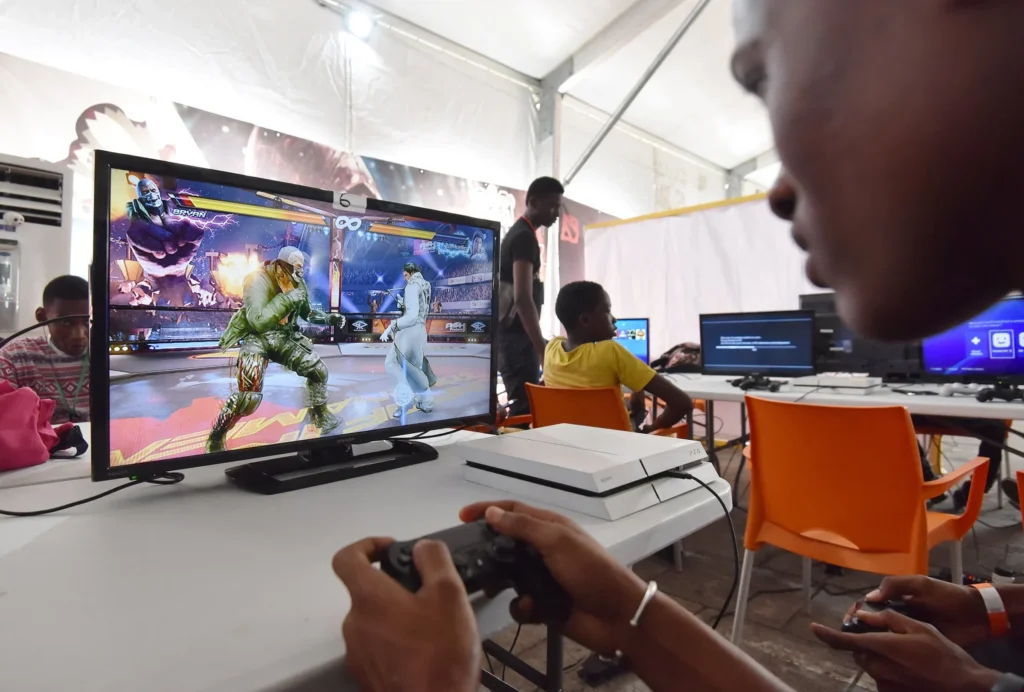
Gamr, an African esports and gaming company, says it has organised more than 4,500 tournaments, paid out over $550,000 in prize money and connected more than 480,000 gamers across 27 countries. Its events combine competitive gaming with music, entertainment, and community experiences.
That provides a useful picture of where gaming is headed.
The player is no longer seated in front of a screen. There is a tournament organiser who takes a cut or attracts sponsorship. There is a venue. There are content creators. Brands are looking for younger audiences. There could be a musician performing at an event. There are coaches, commentators, and e-sports teams.
The gaming economy starts to look much closer to football.
The Money Problem Is Bigger Than the Game
Getting people to play a game is only half the business. The harder part can be getting them to pay.
A player in Nigeria, Kenya, or Ghana may have a smartphone, enough data, and plenty of time to play but still struggle to make an international digital purchase. Payment methods differ from country to country. Many players do not use international credit cards, while currency restrictions, exchange rates and other transaction costs can make cross-border digital payments more difficult.
That creates an opening for companies that understand how Africans actually pay.
Carry1st built its Pay1st platform around this problem. It allows players to pay for digital products using local payment methods, while the company’s publishing business helps international game publishers distribute and monetise their titles across African markets.
For a global publisher, that local knowledge can be valuable. A game may already have millions of potential players, but reaching them is one problem; turning those players into paying customers is another.
The company that can connect a player to a game, make the payment easy and keep that player coming back can become successful in this regard, even when it did not create the game itself.
For African gaming, that means payments and publishing is important almost as much as development.
The Next Level Is Ownership
There’s plenty to be excited about.
African developers are creating games. African companies are publishing games. Esports communities are growing. Payment companies are resolving local issues. Investors are starting to view gaming as a business rather than a hobby.
However, the continent’s gaming story will become far more interesting as more of those pieces come under African ownership.
An African studio can create a game for an international publisher while having little control over what happens to it afterward. The studio gets paid. Its developers gain experience, and the project creates jobs. But the publisher may own the characters, the game, and the rights to sell the property in other markets.
The prize is more than just having 500 million people play games on their phones.
It is for African companies to own the games they develop, the characters they create, the platforms they run, the communities they organise, and the businesses that connect players to the global market.
The question is whether African businesses will own enough of that economy to claim the next generation’s gaming success stories.



0 Comments