
Africa’s Biggest World Cup Payday: How Much Did the Continent Earn From the 2026 FIFA World Cup?
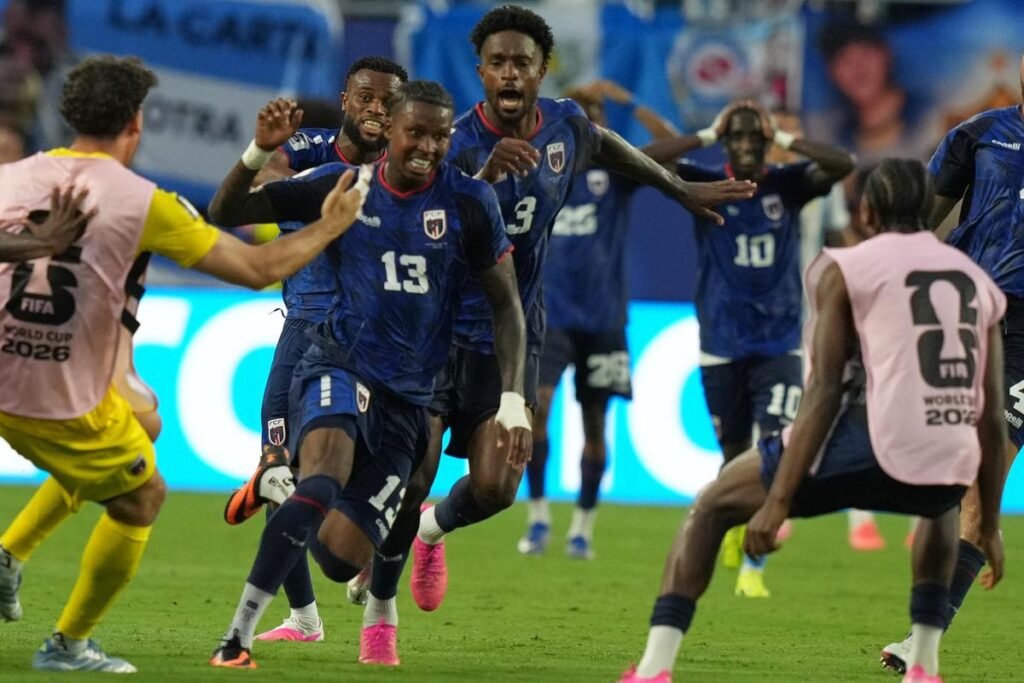
The first-ever World Cup ticket for Cape Verde was like a fairy tale finally written in bold. The Blue Sharks had been knocking, building and creeping closer for years, and when they finally broke through, the celebrations acknowledged it for what it was, a true sporting milestone. But behind the flags and the tears and the global spotlight, qualification brought something far more tangible.
Cape Verde’s Round of 32 performance at the 2026 FIFA World Cup earned them approximately $13.5 million in FIFA prize money. For one of Africa’s smallest football nations, that sum could change far more than just one tournament. It could help fund youth academies, improve coaching pathways, bolster grassroots football and create opportunities that would take years to fund.
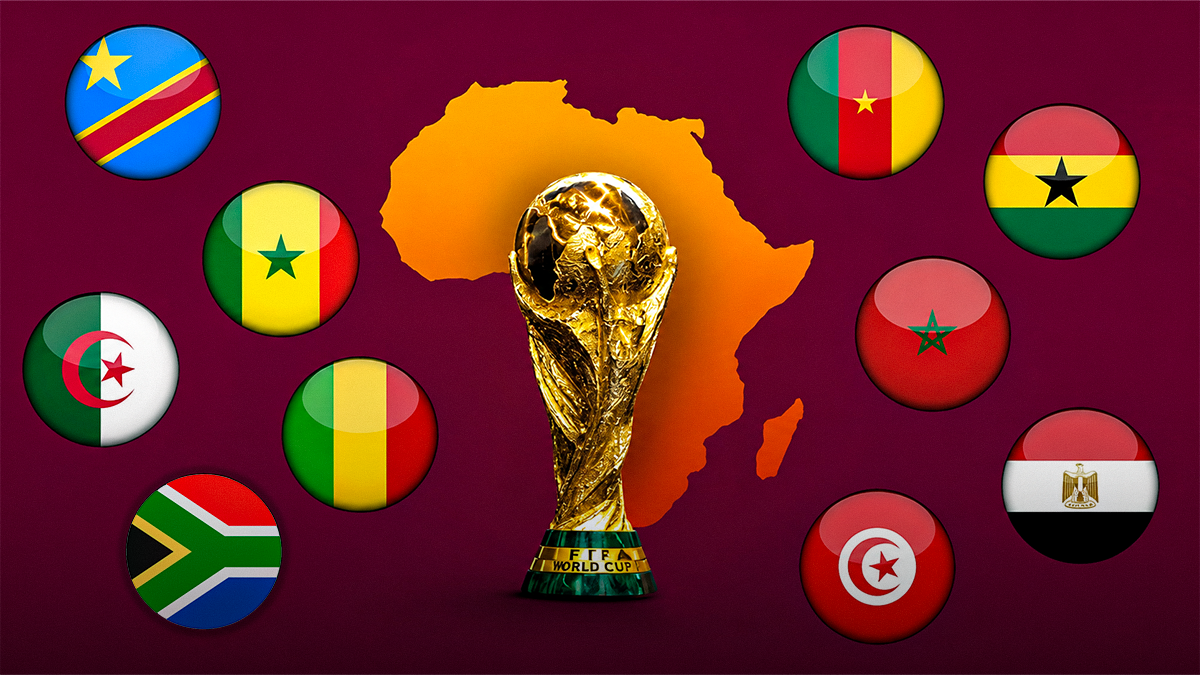
Cape Verde’s story is part of a much bigger one. The expanded 48-team World Cup transformed Africa’s financial relationship with football’s biggest competition. Ten African nations qualified for the tournament and, through their performances, collectively earned more than $153 million from FIFA, the largest World Cup payout the continent has ever received.
The 2026 World Cup prize money is officially in 💰
— Complex (@Complex) July 20, 2026
• Spain, 1st place: $51 million⁰• Argentina, 2nd place: $34 million⁰• England, 3rd place: $30 million⁰• France, 4th place: $28 million⁰• Quarterfinalists: $20 million each⁰• Round of 16 teams: $16 million each⁰•… pic.twitter.com/Lhn4iKdBdg
The money reflected more than Africa’s increased representation. It rewarded one of the continent’s strongest collective performances on the global stage. Nine African teams reached the knockout rounds, while Morocco and Egypt progressed to the quarter-finals, underlining the growing competitiveness of African football.
Yet the tournament’s biggest legacy may not be measured only in prize money. History shows that the size of a cheque does not transform football fortunes; the decisions that follow it do.
The real question facing African football is no longer how much it earned from the 2026 FIFA World Cup. It is what that money will build.
Africa’s Biggest World Cup Payday
The 2026 FIFA World Cup changed more than the format of football’s biggest tournament. It changed the economics of qualification.
For the first time in the competition’s history, the tournament expanded from 32 teams to 48, increasing the number of matches from 64 to 104. The decision was widely presented as an effort to make the World Cup more inclusive by giving greater representation to regions that had historically received fewer qualification places.
Arsène Wenger, FIFA Chief of Global Football Development, also praised the development, saying “We found that it was ethically needed to give a chance to everybody or to more teams to represent football. And overall, I am convinced that it was the right decision and a great success.”
Africa greatly benefited from these changes. At the 2022 FIFA World Cup in Qatar, CAF had five representatives. Four years later, that number doubled to ten. More teams meant more opportunities to qualify, compete, and, crucially, access FIFA’s rapidly growing prize fund.
The numbers immediately reflected that shift.
Africa’s 2026 World Cup earnings
- Morocco — $31.5 million (Quarter-finals)
- Egypt — $17.5 million (Round of 16)
- Algeria — $13.5 million (Round of 32)
- Cape Verde — $13.5 million (Round of 32)
- Côte d’Ivoire — $13.5 million (Round of 32)
- DR Congo — $13.5 million (Round of 32)
- Ghana — $13.5 million (Round of 32)
- Senegal — $13.5 million (Round of 32)
- South Africa — $13.5 million (Round of 32)
- Tunisia — $10.5 million (Group stage)
Africa’s ten representatives brought in approximately $154 million, marking the highest total the continent has ever achieved from a single FIFA World Cup. This is a major turning point for African football on the global stage.
For years, a select few nations have consistently performed well in the World Cup, securing a significant share of FIFA’s prize money. The expanded format has launched a new era of financial distribution, enabling rising football nations to access revenues that were previously out of reach.
For nations like Cape Verde, DR Congo, and South Africa, qualifying was more than just a victory on the pitch. It opened up avenues that can shape the future of the game well beyond the final whistle of the tournament.
The expansion of the World Cup did more than just open up extra slots for teams to compete. It created new opportunities for investment across African football.
Why FIFA Can Afford to Pay More Than Ever
The dramatic increase in prize money reflects a broader shift in the football business model.
The FIFA World Cup is no longer just the world’s largest football tournament. It is one of the most valuable sporting events in the world.
Every four years, broadcasters compete fiercely for TV rights. Global brands spend billions of dollars associating themselves with the event. Host countries invest heavily in infrastructure, tourism, and hospitality, while millions of fans travel across continents, generating massive economic activity both within and outside of football.
Those commercial revenues have grown at an extraordinary pace.
During the 2023–2026 commercial cycle, FIFA generated record revenues of around $15 billion, driven largely by broadcasting rights, sponsorship agreements, ticket sales and hospitality programmes. As the tournament became more valuable commercially, FIFA was able to distribute more money to participating nations than at any point in its history.
The expansion to 48 teams was therefore more than a football decision. It was also a commercial one.
More teams meant more matches. More matches created additional broadcasting inventory, attracted more sponsors and generated greater global engagement. In turn, that expanded football’s commercial value and increased the prize money available to participating federations.
For African football, the timing was ideal. For years, CAF argued that the continent deserved more World Cup spots due to its increasing competitiveness and the depth of talent emerging across Africa. The 2026 tournament provided the most compelling evidence yet that those arguments were valid.
African teams did not simply fill extra spots. They deserved them. And their performances resulted in the highest financial return in the continent’s World Cup history.
Morocco’s Success Was Years in the Making
Maroc has built one of the best football development systems in Africa over the past ten years. The Royal Moroccan Football Federation didn’t just focus on sending talented players to Europe; they also put a lot of money into modern training facilities, coach education, youth development, sports science, and long-term planning.
The Mohammed VI Football Academy, which is widely considered one of the best places in Africa to develop football talent, is at the heart of this plan. The academy was created to find and develop young football players from all over the country. It combines top-level football coaching with education, sports science, and player welfare. Several graduates have played for Morocco at the highest level, and football administrators across Africa and beyond have praised its model.
That investment has been matched by broader reforms. Morocco has modernised its football infrastructure, strengthened its domestic leagues and expanded support for women’s football. The results have become increasingly difficult to ignore.
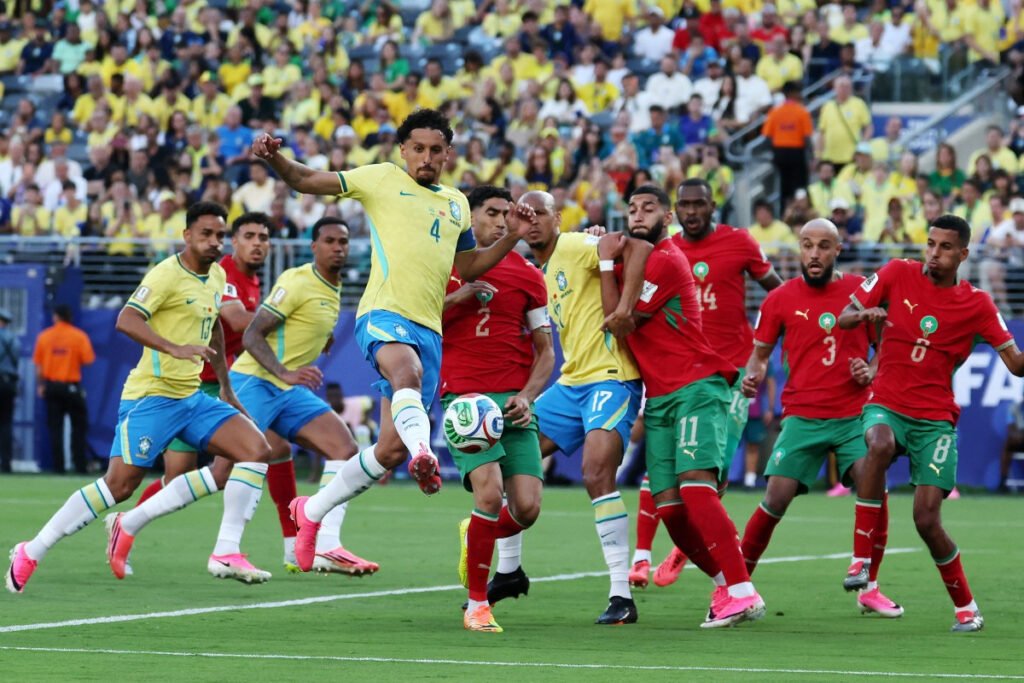
The Atlas Lions’ historic run to the semi-finals of the 2022 FIFA World Cup was not a miracle. Their quarter-final appearance in 2026 reinforced that conclusion. Success has become part of a long-term project rather than an isolated achievement.
For other African federations, Morocco offers an important lesson. Prize money alone does not build successful football nations. It is sustained investment, effective governance and long-term planning that turn financial rewards into lasting progress.
Why Cape Verde’s Earnings Could Be Even More Significant
If Morocco demonstrates what sustained investment can achieve, Cape Verde illustrates why World Cup prize money can be transformational.
Cape Verde earned an estimated $21 million to $23.5 million in total FIFA payouts and bonuses during their historic 2026 World Cup run.
With a population of just over half a million people and far fewer financial resources than many of Africa’s football powers, Cape Verde has built a reputation for competing well above its weight. Much of its success has come through careful player development, effective coaching and strong links with its diaspora rather than vast financial resources.
That is why its estimated World Cup payout carries such significance.
For one of the continent’s smaller football federations, the money represents far more than a tournament bonus. It creates opportunities that might otherwise take years to finance.
The funding could be used to improve grassroots football, expand youth academies, upgrade training facilities, strengthen coaching education or invest in women’s football. It could also help create stronger pathways for young players to develop within Cape Verde before moving abroad.
The countries that get the biggest checks aren’t always the ones that win the most. At times, these are the countries where the money has the most significant effect.
Several other African federations that made it to the knockout stages follow the same rule. For countries that are still building up their football infrastructure, making it to the World Cup is no longer just a sporting accomplishment. It has become an opportunity to accelerate progress.
For many African federations, the challenges are well known. Grassroots competitions remain underfunded. Coaching education is inconsistent. Modern training facilities are unevenly distributed, while scouting networks often struggle to identify and nurture young talent before they leave for opportunities abroad.
Women’s football faces similar obstacles. Although the women’s game has grown significantly across Africa recently, many national associations continue to operate with limited resources, affecting player development, domestic competitions and long-term planning.
World Cup prize money cannot solve all of those problems. What it can do is provide federations with the financial flexibility to invest in areas that produce lasting returns.
A federation could set up regional youth academies, make training centres more up-to-date, increase the number of coaching education programmes, improve scouting networks, or put money into sports science and performance analysis. It might make youth football competitions in the United States better or make it easier for young football players to move from playing in local leagues to playing professionally.
More Than a Financial Windfall
The 2026 FIFA World Cup will be remembered as a landmark tournament for African football.
The continent sent a record ten teams to the competition. Nine reached the knockout stages. Morocco once again demonstrated that African nations can compete consistently with the world’s elite, while countries such as Cape Verde showed that smaller football nations can also seize opportunities on the biggest stage.
Collectively, Africa earned around $154 million from FIFA, the largest financial return the continent has ever received from a World Cup.
That achievement deserves recognition. But the money itself is only part of the story.
Football history is full of examples where financial windfalls produced little lasting change. It is equally full of examples where sustained investment transformed national teams, strengthened domestic football and created opportunities for future generations.
Africa now stands at a similar crossroads. The expanded World Cup has created new opportunities, not only to compete more often on football’s biggest stage but also to build stronger football systems at home. The countries that treat this prize money as long-term investment rather than short-term income are likely to benefit long after the celebrations of 2026 have faded.
In many ways, the biggest victory of Africa’s World Cup may not be the millions earned from FIFA. It may be the chance to reshape the future of football across the continent.
What happens next will determine whether the 2026 FIFA World Cup becomes remembered simply as Africa’s richest tournament or as the moment African football made one of its smartest investments.


0 Comments