
How Adidas Is Betting on Lagos Nightlife to Sell the Beautiful Game
By Wuraola Kola-Ilugbo
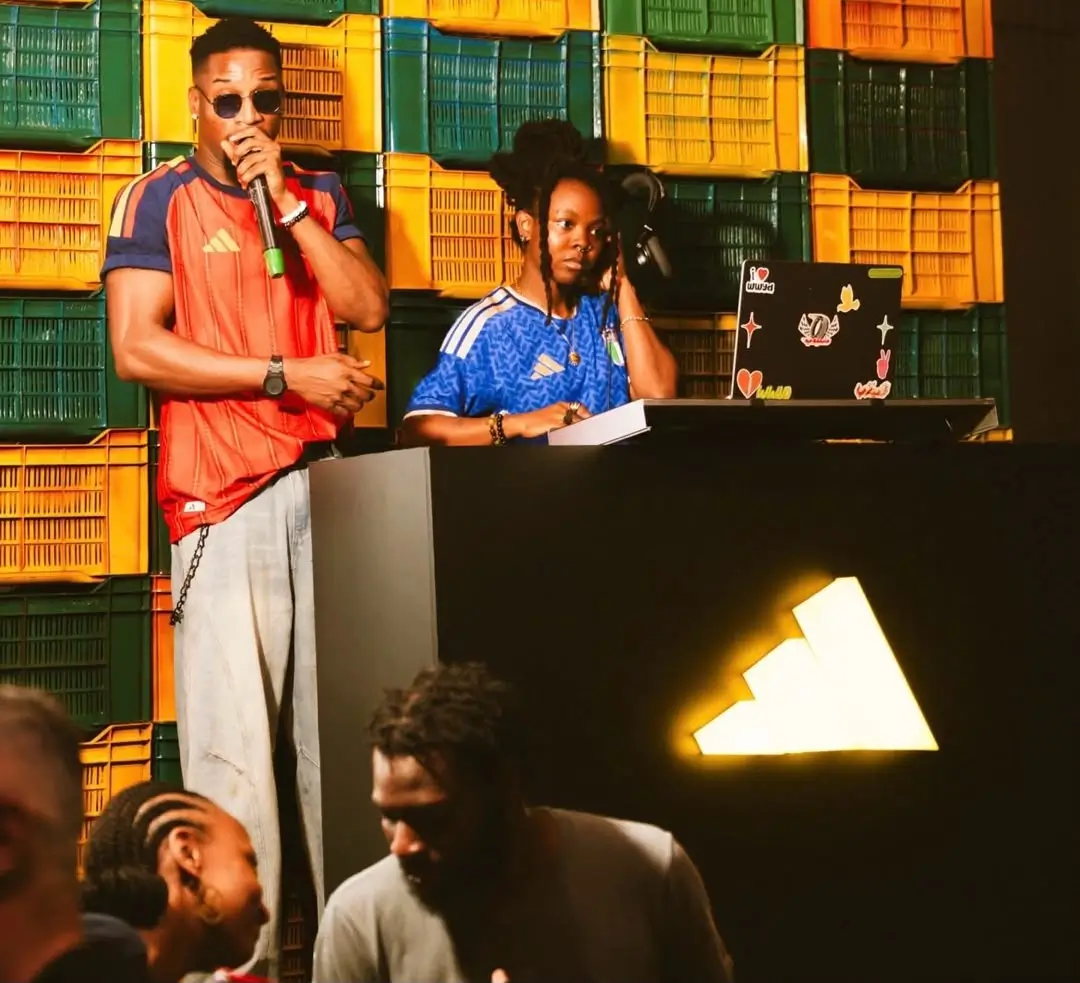
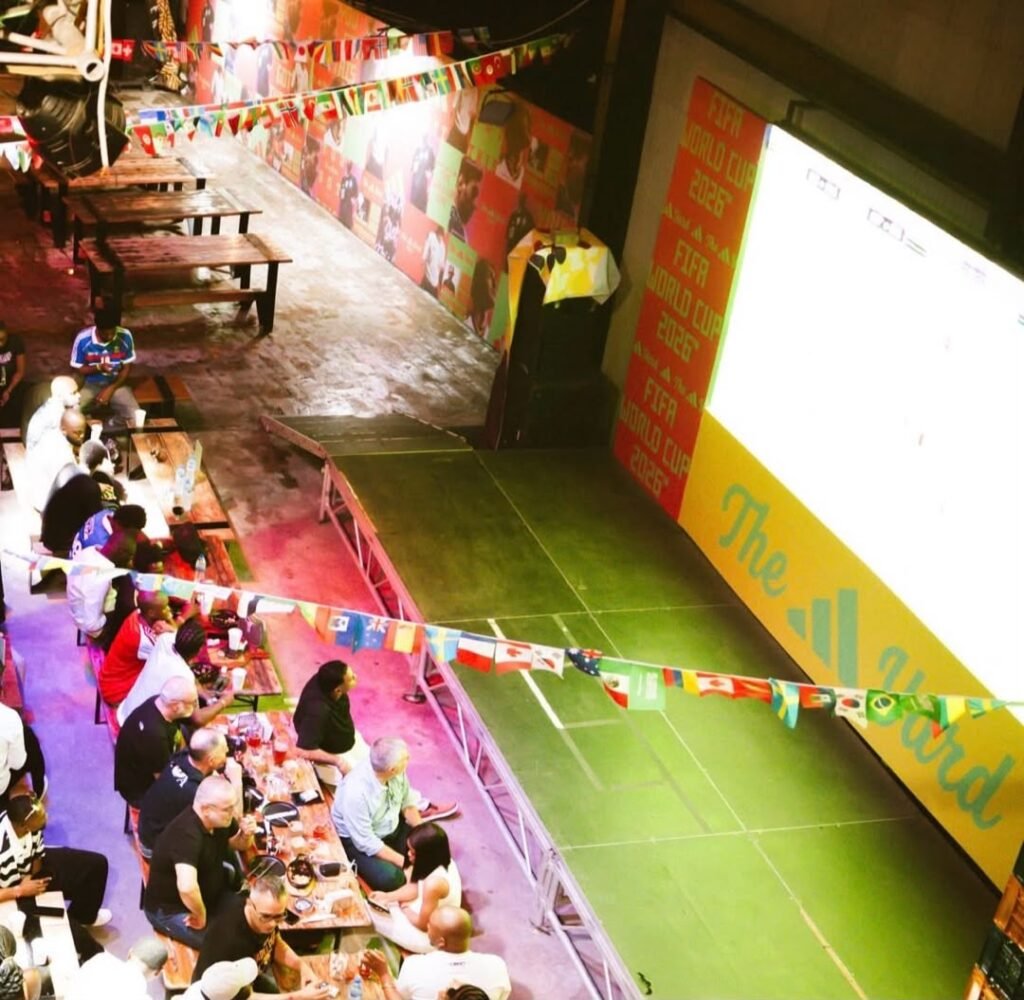
On July 14, as the 2026 FIFA World Cup entered its final stages, football fans gathered at adiCompound Lagos for Adidas’ Jersey Party.
Nigeria was not playing. For the second time in a row, the Super Eagles failed to qualify for the tournament. Despite the absence of a Nigerian team, the World Cup remained relevant to those inside the venue.
Adidas’ approach in Lagos is truly fascinating. The brand has woven football into the vibrant social fabric of Lagos, tapping into what the city already loves: music, fashion, nightlife, and community.
The significance goes beyond one party. Adidas is testing whether football can be marketed in Lagos as a lifestyle rather than simply as a sport.
In a city where jerseys increasingly move between the pitch, the street and the dance floor, the brand is betting that football culture does not disappear when Nigeria is not playing.
Football Without the Super Eagles
Nigeria’s absence from the global football stage presents a unique scenario for the sport’s marketing landscape.
For decades, the Super Eagles have served as a vital connection for Nigerian fans to international competitions. When Nigeria qualifies for tournaments, the national team becomes the heartbeat of football in the nation.
However, in 2026, that heartbeat was absent. This didn’t mean that Nigerians turned away from football.
What shifted was how the tournament resonated with Nigerian identity.
For Adidas, this distinction is crucial. A sportswear brand cannot solely rely on national team participation to stay relevant in a country with a vibrant and youthful fan base. It must find innovative ways to weave football into the fabric of daily life. Lagos, with its dynamic culture, provides an ideal backdrop for this connection.
A Football Space Designed Like Lagos
According to Adidas, adiCompound is a place centred around football and the culture that surrounds it, where the experience goes far beyond just watching games.
Nigerians have always interacted with the game in ways other than the conventional viewing-centre model. Bars, homes, restaurants, neighbourhood spaces, and social gatherings where the game is a part of a bigger nite are all places where people watch football. adiCompound creates a branded environment for that well-known behaviour.
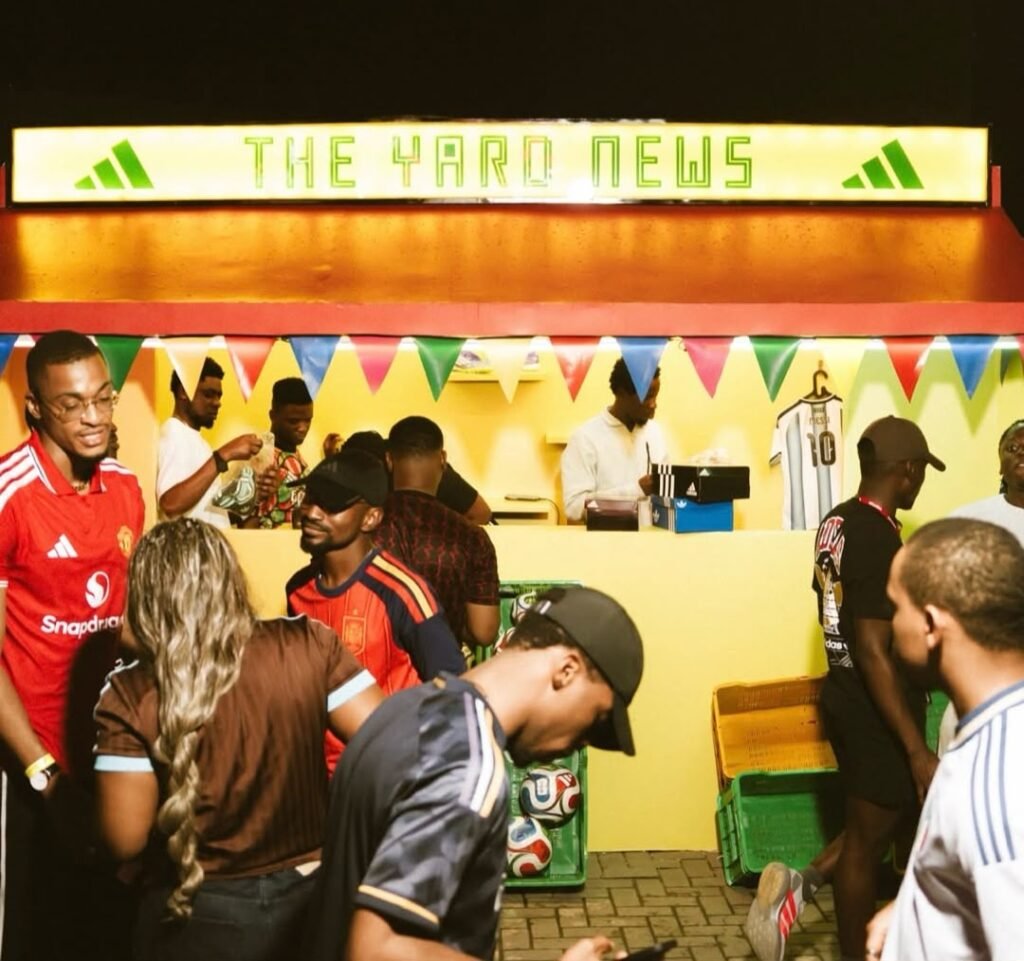
The Jersey Party elevated the football shirt beyond its traditional role as mere sportswear, embracing it as a vital element of social expression. Attendees donned jerseys not solely for match days, but as a stylish choice that reflected their personal flair for the occasion.
This marks a transformative moment in the mindset of sportswear brands regarding football culture.
The jersey transcends its function as a symbol of loyalty; it emerges as a fashion statement. In Lagos, where the realms of music, fashion, nightlife, and sports seamlessly intertwine, Adidas finds itself in a vibrant cultural landscape ripe for this narrative.
Adidas Already Had the Idea
AdiCompound did not appear out of nowhere. Earlier in 2026, Adidas launched Backyard Legends, a global World Cup campaign centred on the idea that football’s most meaningful stories can begin away from famous stadiums.
In this Backyard, it’s “win or go home,” and this crew hasn’t left since the 90's.
— adidas (@adidas) May 7, 2026
Where there’s a pitch, there’s a legend. #YouGotThis pic.twitter.com/EJpQSHcWEi
The short film brought together Timothée Chalamet with football and entertainment figures including Lionel Messi, Bad Bunny, Lamine Yamal, Jude Bellingham, Zinedine Zidane, and Trinity Rodman. Adidas framed the campaign around neighbourhood football, free play and the idea that every pitch can create a legend.
That global message makes the Lagos activation easier to understand.
The company is not simply taking a World Cup match and putting it on a large screen. It is translating a broader brand idea into a physical environment.
Why Lagos Makes Sense
There is a reason a global sportswear brand would want to build this kind of experience in Lagos. The city’s nightlife has become part of its international identity.
Last year, Time Out ranked Lagos as the second-best city for nightlife in Africa and the 14th best in the world, behind cities like Las Vegas, Madrid, Paris, Berlin and Cape Town. The ranking considered factors including the quality and affordability of nightlife, with Lagos scoring strongly among respondents.
At impressive speed, Lagos, Nigeria 🇳🇬 has become the second-best nightlife city in Africa and ranks 14th globally.
— Africa First (@AfricaFirsts) January 23, 2026
Cape Town, South Africa 🇿🇦 ranks first in Africa. pic.twitter.com/pVIwFTBGVN
The ranking is not, by itself, proof of the size of Lagos’ nightlife economy. But it does demonstrate something commercially useful to a brand: Lagos already has a global reputation for turning social activity into culture.
The economics are also becoming harder to ignore. The Lagos State Government said tourism, hospitality and entertainment generated more than $71.6 million during the 2024 Detty December period. Hotels accounted for more than $44 million, while short-let apartments contributed another $13 million.
This figure should not be confused with the overall value of Lagos nightlife. It addresses a much broader seasonal economy. However, it demonstrates the size of the ecosystem that brands can tap into when creating experiences centred on Lagos’ entertainment culture.
The Business of Making Football Feel Social
This is where adiCompound becomes more interesting than a World Cup viewing party.
Global sportswear brands have spent years expanding beyond the pitch. The goal is simple: if a football shirt is only useful for 90 minutes, there is a limit to how frequently a consumer can be reminded of why they want one.
But if the shirt belongs equally in a match, a concert, a streetwear look, a photograph or a night out, its cultural usefulness becomes much larger. Football fashion has already moved in that direction globally.
Nigeria’s Absence Makes the Experiment More Interesting
The Super Eagles weren’t at the 2026 World Cup, yet Lagos still got a custom, high-budget football experience from a global sportswear titan.
That paradox underlines how international brands view fandom today. Tournament participation remains powerful, but it no longer holds a monopoly on identity. In Lagos, fandom is fluid. A supporter might track Paris Saint-Germain on Saturday, buy into football fashion on Tuesday, follow tactical creators online, and drop into a crowded viewing party on Sunday just for the crowd energy. Culture, not qualification, drives the room.
The emotional relationship with football can therefore survive the absence of a national team.
For Adidas, that is commercially valuable. It means the brand can build football relevance around the consumer rather than waiting for Nigeria to qualify for the next tournament.
The Cultural Question
A more difficult question confronts any global brand operating in the Lagos creative economy.
Who really benefits when global brands embrace local culture?
Lagos’ nightlife is not a blank canvas for corporate sponsors. Every night, it is built by DJs, promoters, designers, venue owners, drivers, and bartenders—the people who propel the city’s creative economy forward.
A brand activation cannot be judged based on how flashy its launch appears. The true test is legacy: does adiCompound provide recurring economic opportunities for local talent, or is it simply another temporary corporate installation?
These questions cannot be answered in a single night. They will be answered by Adidas’s post-World Cup plans for the space.
About the Author



0 Comments