
The Business Behind the Beautiful Game Was Impossible to Ignore at the 2026 World Cup

Spain may have won the 2026 World Cup, but FIFA probably had the biggest celebration of all.
Spain left New York with football’s most coveted trophy and $50 million in prize money after beating Argentina 1-0 in the final. It was the biggest winners’ cheque in World Cup history. Yet it was only a tiny fraction of the money generated by the tournament itself.
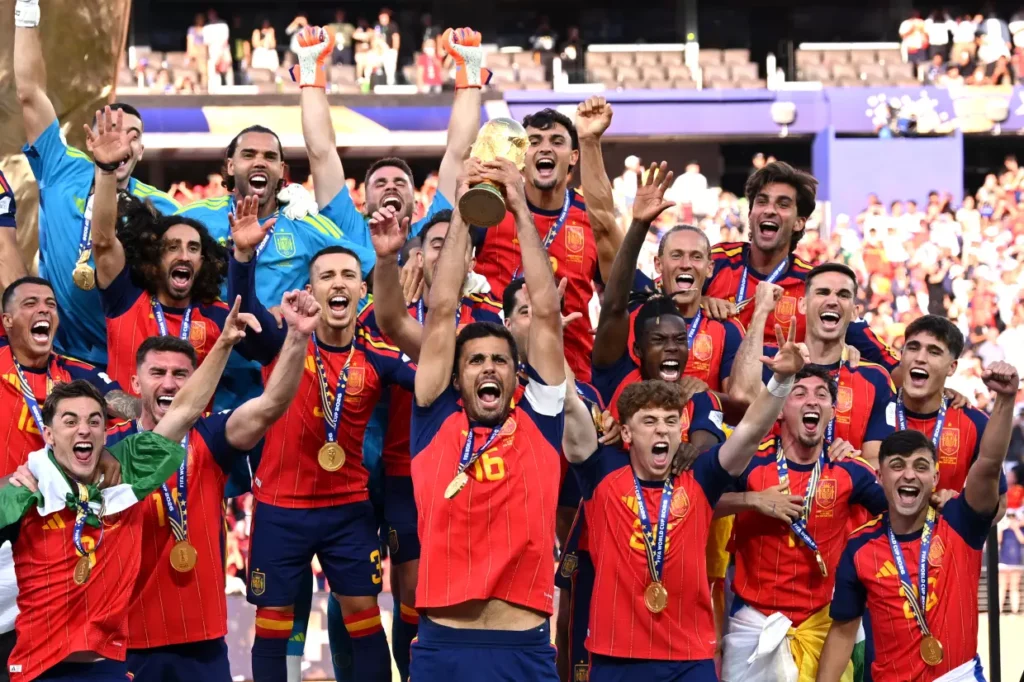
The 2026 World Cup was not only the largest tournament in football history. It was also one of the most lucrative sporting events ever staged.
Expanded to 48 teams and spread across the United States, Canada and Mexico, the tournament generated billions of dollars through broadcasting rights, sponsorships, hospitality, licensing and ticket sales.
Every additional match created new commercial inventory. Every sold-out stadium generated revenue. Every television audience increased the value of football’s most valuable product.
The World Cup has always been a sporting spectacle. In 2026, it felt more obvious than ever that it is also a global business machine.
For one month, billions of fans focused on football. Behind the scenes, broadcasters, sponsors, host cities, airlines, hotels and FIFA itself were participating in an economic ecosystem worth billions of dollars. The goals captured the headlines. The money helped explain many of the decisions that shaped the tournament.
The tournament showed how modern football’s most successful organisations are building commercial ecosystems around the game and why African football can no longer afford to treat business as an afterthought.
The World Cup Is FIFA’s Economic Engine
The World Cup is not just FIFA’s biggest competition. It is FIFA’s business model.
According to FIFA’s budget projections for the 2023–2026 cycle, revenues are projected to top $15 billion in revenue this year, with the World Cup accounting for the overwhelming majority of that income.
The decision to expand the tournament from 32 teams to 48 was widely presented as a move to increase global representation. That explanation is true. But it is not the whole story.
Expansion also made commercial sense. The 2022 World Cup in Qatar featured 64 matches. The 2026 edition featured 104.
64 matches, 32 teams, six continents, one incredible tournament.
— FIFA (@FIFAcom) December 18, 2022
Whether in Doha or elsewhere, the magic of the #FIFAWorldCup has been felt by fans all around the world ✨🌍#FootballUnitesTheWorld pic.twitter.com/seVSDRwbqd
That meant 40 additional games for broadcasters to sell, advertisers to sponsor and fans to attend.
Every extra fixture represented another opportunity to sell tickets, attract sponsors, secure advertising placements and generate television audiences.
For FIFA, expansion was not simply about including more countries. It was also about increasing the value of football’s most important commercial asset.
The tournament became bigger because the business opportunity became bigger.
Broadcasting Remains the Real Prize
If there is one revenue stream that explains modern football, it is broadcasting.
The World Cup remains one of the few events capable of attracting massive live audiences across every continent. That makes it incredibly valuable.
Streaming platforms have transformed how people consume content. Social media has fragmented audiences. Traditional television faces growing competition from digital platforms.
Yet live football continues to command attention. Broadcasters understand this. That is why media rights remain FIFA’s largest source of income.
The World Cup is not simply a sporting event. It is premium content.
For television networks and streaming platforms, securing World Cup rights means access to audiences that few other events can deliver.
Every match becomes a commercial product. Every viewer becomes part of the value proposition. The football drives the audience. The audience drives the money.
Sponsors Paid for More Than Advertising
Walk around a World Cup stadium and the commercial story becomes impossible to miss.
Global brands are everywhere. From pitch-side advertising boards to digital campaigns, the tournament has become one of the world’s most powerful marketing platforms.
Companies do not spend millions of dollars sponsoring the World Cup because they love football.
They do it because football delivers something that is becoming increasingly rare: global attention.
For one month, billions of people are focused on the same event. Few marketing opportunities offer that level of visibility. For sponsors, the World Cup is not simply an advertising exercise.
It is a chance to build brand recognition, strengthen customer loyalty and associate themselves with one of the most emotionally powerful events in sport.
That is why sponsorship remains a cornerstone of FIFA’s business model.
Three Countries, One Massive Business Opportunity
The United States, Canada and Mexico hosted the 2026 World Cup together.
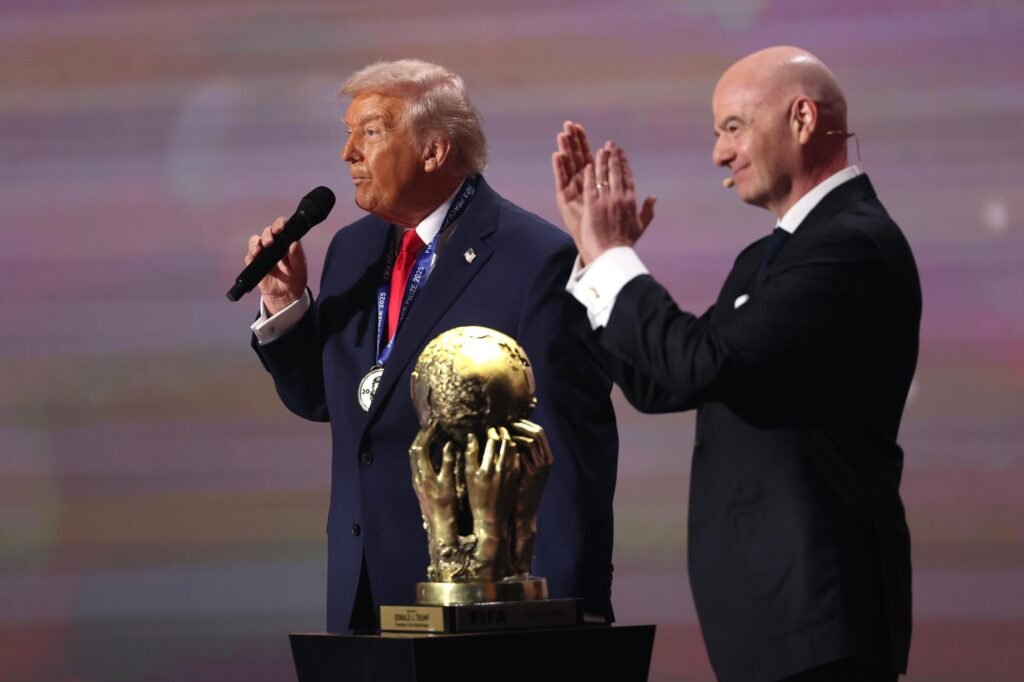
The football benefits were obvious. The economic benefits were part of the attraction too. World Cups bring visitors, spending and international visibility.
Hotels fill up. Airlines increase capacity. Restaurants experience higher demand. Retail businesses welcome tourists.
Cities receive global exposure that would otherwise cost billions of dollars to achieve through traditional marketing.
Canada alone projected that the tournament would generate billions in economic activity and create thousands of jobs linked directly and indirectly to the event.
Of course, economists continue to debate the long-term value of major sporting events. Not every forecast becomes reality.
But there is little doubt that hosting the World Cup creates a significant short-term economic boost. For many cities, the business opportunity is almost as attractive as the football itself.
Africa Helped Build the World Cup’s Commercial Success
The business success of the World Cup was not driven solely by Europe and North America. Africa played a significant role.
African players featured throughout the tournament. African teams attracted global audiences. African supporters generated engagement across television and social media platforms.
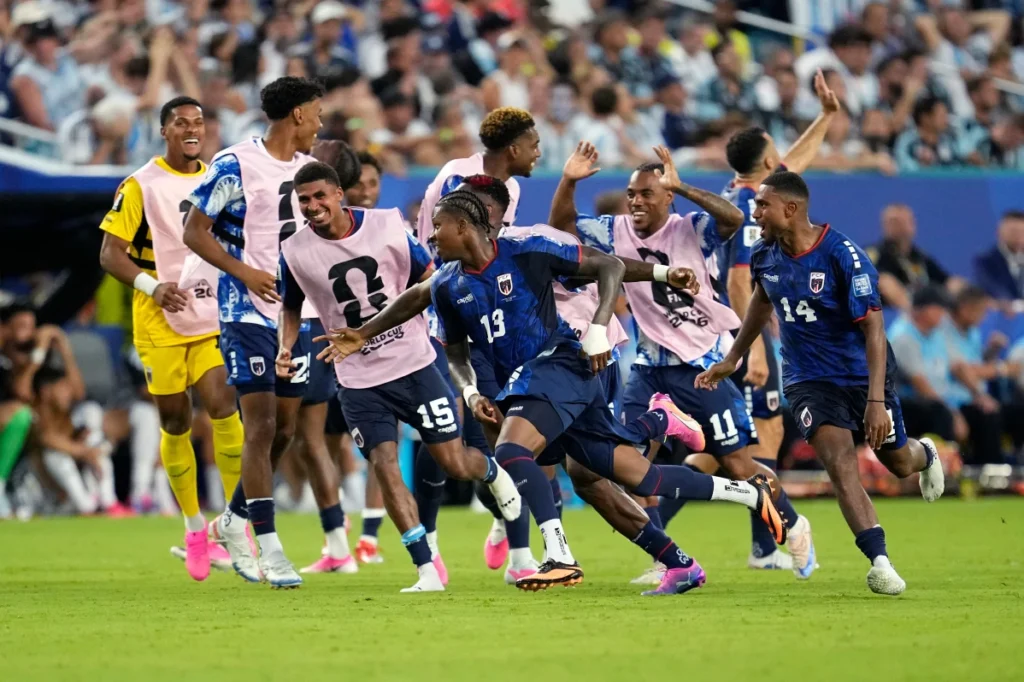
More importantly, Africa remains one of football’s most valuable growth markets.
The continent has the world’s youngest population. It has hundreds of millions of passionate football fans. It has a growing digital audience and an expanding sports economy.
Global broadcasters understand this. Sponsors understand this. Investors understand this.
The question is whether African football institutions are moving quickly enough to capitalise on it.
For decades, Africa has supplied talent to the global football economy.
The next challenge is capturing more commercial value from the audiences, leagues and stories that exist on the continent itself.
The Real Lesson for African Football
The biggest lesson from the 2026 World Cup is not tactical. It is commercial.
Football’s most successful organisations understand that the game is more than what happens on the pitch.
It is a media business. It is an entertainment product. It is a sponsorship platform. It is an intellectual property asset. It is an economic ecosystem.
Too often, football discussions across Africa focus exclusively on qualification campaigns, coaching appointments and tournament results.
Those conversations matter. But so do media rights, sponsorship strategies, fan engagement, stadium revenues and commercial partnerships.
The federations and leagues that understand this will be better positioned to invest in youth development, infrastructure and long-term growth. The ones that do not risk being left behind.
The Biggest Story Was About More Than Football
The 2026 World Cup delivered unforgettable moments. But it also revealed something bigger.
Football’s greatest tournament has evolved into one of the most valuable commercial events on the planet.
The numbers tell the story. Billions of dollars in revenue. More than a hundred matches. Global sponsors. Worldwide audiences. Three host nations.
A tournament designed not only to crown a champion but also to maximise the value of football’s most important product.
That does not diminish the beauty of the game. If anything, it highlights its power. Because the reason the World Cup generates so much money is simple: billions of people care deeply about football.
The challenge for African football is ensuring that it becomes more than a participant in this global business.
The continent already provides talent, passion and audiences. The next step is capturing a larger share of the value they create. That may be the most important business lesson of the 2026 World Cup.


0 Comments