
Sadio Mané Isn’t Just Giving Back. He’s Investing in Senegal’s Future.
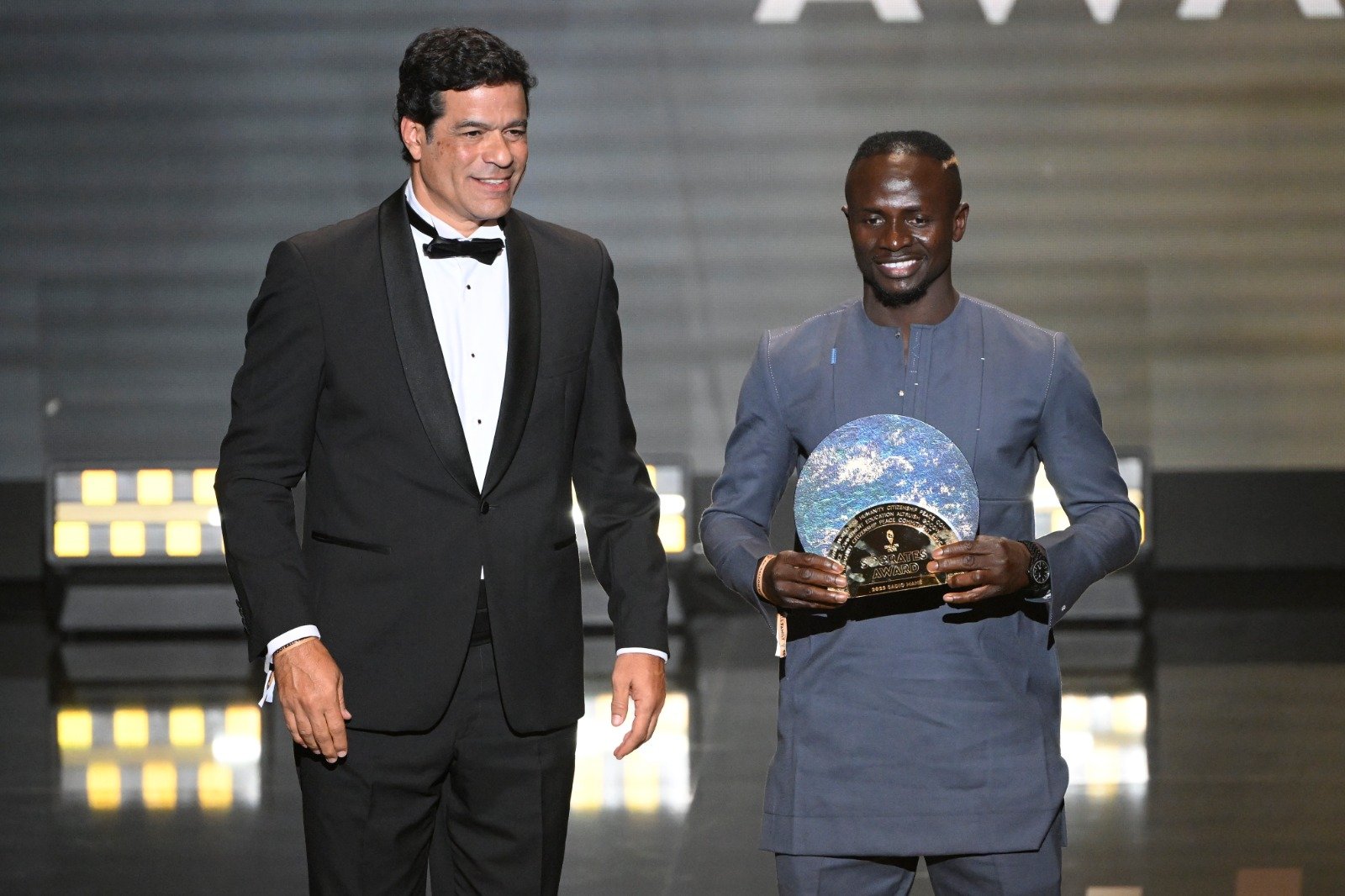
What happens when someone who leaves a community in search of opportunity returns with the resources to create opportunities for others?
This is the story of Sadio Mané, a young boy who left his hometown to pursue his dream of becoming a household football name.
Years ago, in Bambali, there lived a young Mané from a poor family. His father, an imam, died when he was just seven years old. His family wanted him to focus on his education and help cultivate the farm, but he had no desire to become a farmer. Instead, he told his friend that he needed to be on the football pitch every day because he wanted to become an international footballer.
At the age of 15, he left Bambali for Dakar without telling anyone. Two months later, his mother and uncle went to bring him home. They believed it would be almost impossible for someone from Bambali to make it as a professional footballer.
But taking him home could not extinguish his dream. Eventually, he sat down with his mother and uncle and told them that he wanted to become a footballer. He believed he could become a star and wanted to prove it to them.
His conviction eventually changed their minds. His family realised they could no longer block his dream and that he deserved the chance to pursue it. So, he left Bambali once again, and this time, he never looked back.
From Bambali to the World Stage
Mané’s career progression through elite football clubs transitioned him from modest early earnings to ranking among the world’s highest-paid athletes.
In the documentary Sadio Mané: Made in Senegal, Sadio Mané said that when he arrived in Dakar, he went to AS Académie Génération Foot for a test. He made the team, and it wasn’t long before a big opportunity presented itself.
Mané moved to France in 2011 to join FC Metz, which had a partnership with Génération Foot. Metz offered him his first professional contract, and he quickly drew interest from outside France. The path that his mother and uncle had previously thought was impossible became more plausible.
In August 2012, he moved to Red Bull Salzburg in Austria. He scored 45 goals in 87 games and won the domestic double in his last season. He signed with Southampton in the English Premier League for £10 million in September 2014.
Mané joined Liverpool in 2016, and it was at Liverpool that he truly became a superstar known internationally. He subsequently moved to Bayern Munich in Germany in 2022 and joined Saudi Pro League club Al-Nassr in August 2023. His salary figures suggest that his earnings rose substantially as his career progressed.
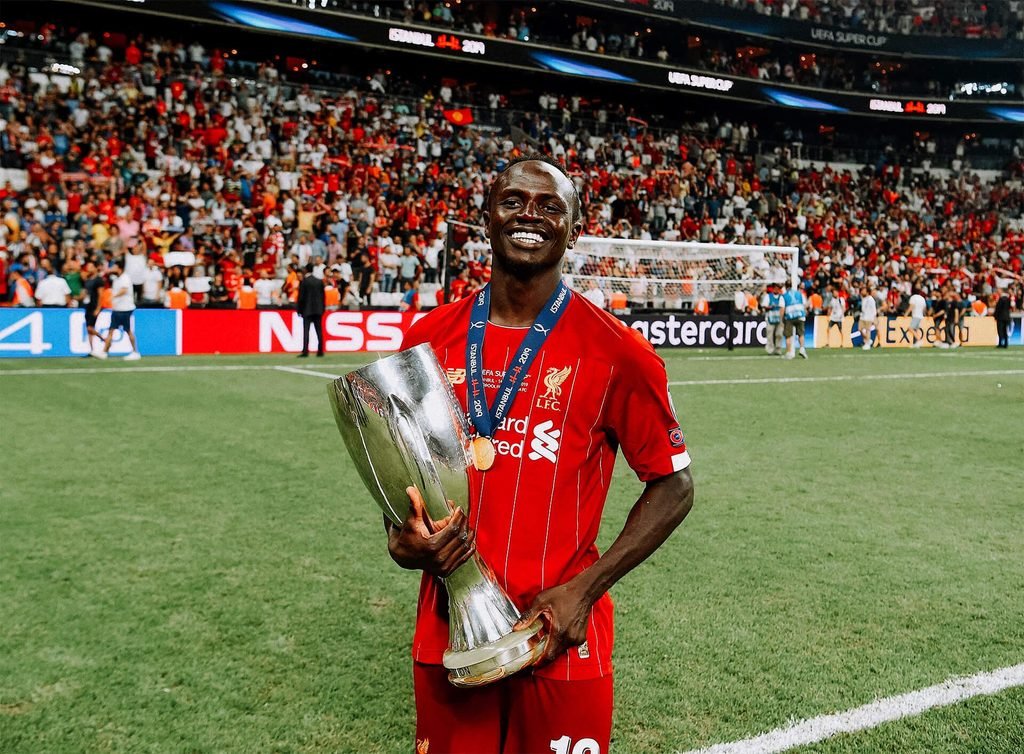
However, the most interesting part of this increase in wages is not the amount he earns, but what he chose to do with the money he earned.
The money he made from the career that took him from Bambali to some of Europe’s elite clubs is finding its way back to Senegal.
The philosophy behind his giving
Earnings at these clubs have provided Sadio Mané with an estimated lifetime contract value exceeding £100 million, giving him the funds required to single-handedly fund infrastructures in his childhood village of Bambali, Senegal.
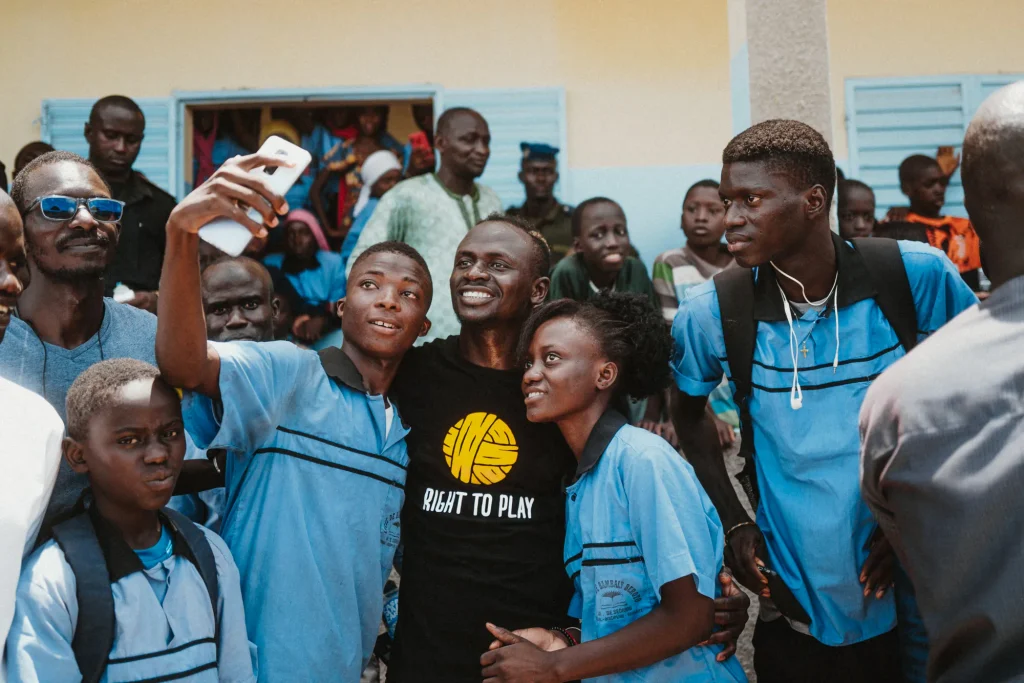
For Mané, money is meant to be used to make a positive impact in someone else’s life.
According to Tuttosport in 2019, Mané explained why he chose philanthropic work instead of accumulating cars and jewellery.
“Why would I want ten Ferraris, twenty diamond-encrusted watches, or two aeroplanes? What could these objects accomplish for me or the world?” Mané said. “I’ve gone hungry, had to work in the fields, and gotten through tough times by playing football barefoot. I didn’t have an education or much else, but now I can help my people with the money I make from football. I don’t need to brag about expensive cars, apartments, trips, or planes. I would prefer that my people receive a portion of what life has given me.”
Mané has built a school and a stadium and provided clothing, shoes, and food to those in need. He has also donated money monthly to assist people living in Senegal’s poorest region.
When Philanthropy Becomes Investment
Prior to Liverpool’s Champions League final against Real Madrid in 2018, Mané sent 300 Liverpool jerseys to his village.
By 2019, Mané began investing in human capital.
His first investment in human capital was donating £250,000 to fund a school in Bambali. The goal was simple: giving younger generations in his hometown access to education and skills they need to improve their lives and eventually contribute to their communities.
Mané understood that a school building alone does not improve educational outcomes if there are no teachers to teach, and that the school must continue to function after his retirement from football to achieve the goal of providing younger generations with access to education.
So, the school, Bambali High School, referred to in French as Lycée de Bambali, operates as a public school which is primarily funded by the national government through the Ministry of National Education budget.
In 2020, as the world was plunged into lockdown as a result of the spread of COVID-19, Mané donated £41,000 to Senegal’s national pandemic response effort. He recognised that the pandemic’s progression required immediate action, so he generously donated funds for healthcare, prevention, and emergency assistance.
These philanthropic acts made it clear that Mané’s philanthropic activities were not random. Rather, they were designed to address the practical issues in the community where he grew up.
Mané’s next project proved this.
In 2021, Mané donated approximately £455,000 to construct a hospital in Bambali.
He stated in the documentary Sadio Mané: Made in Senegal that the lack of a hospital was a sad situation, and he had to build one to give people hope.
Mané knew too well the implications of not having a hospital nearby, because, when he was seven, his father, who was sick, was transported to a neighbouring village for treatment because there was no hospital in Bambali, but his father died.
Mané’s decision to build a hospital was an attempt to provide maternity, emergency, and other medical services to residents who would otherwise have to travel long distances for treatment.
After officially commissioning the facility in June 2021, Mané transferred ownership and management to the Senegalese state health system. This allowed the government to integrate the center into the national public healthcare network, providing government-funded medical staff, doctors, and routine medical supplies.
Without that step, the hospital could become a shell (a building without doctors, salaries, and maintenance budgets) when Mané retires. With it, the operating costs of the clinic sit on the national health budget, sustained by taxes rather than his earnings.
These projects all serve a single goal. Protect the human capital of Bambali. Mané is not throwing money at the problem; he’s making sure that the investment can be sustained long after he retires from professional football. That is what makes his philanthropy appealing from an investment perspective.
On September 19, Sadio Mané launched the SM10 Agro project in Bambali. This project includes a 500-hectare plantation of Kent mangoes.
The complex will have an annual processing capacity of 8,500 tonnes of mangoes, producing mango pulp, purée, dried fruit, and mango butter.
Senegal ships tens of thousands of tons of fresh mangoes to Europe, yet only about a few get processed at home.
Mané has invested 11.7 billion CFA francs, approximately £14.9 million, in this agro-industrial project. The Senegalese hopes to not only support his community but also to create jobs and empower them to produce, work, and build their own future.
In Europe, Mané’s legacy will be defined mostly by his goals and trophies, but in Bambali, it will not be defined by goals and trophies alone but by the lives he has touched and the transformation of his village.
These are not trophies that sit in a trophy cabinet; they are institutions and opportunities that can continue serving his village for decades.
Mané left his hometown in search of an opportunity to prove himself. Now, he’s working to create a village where the next generation can find one without necessarily having to leave Bambali.
About the Author


0 Comments