
African Football’s Commercial Boom: Who Gets the Biggest Cut?
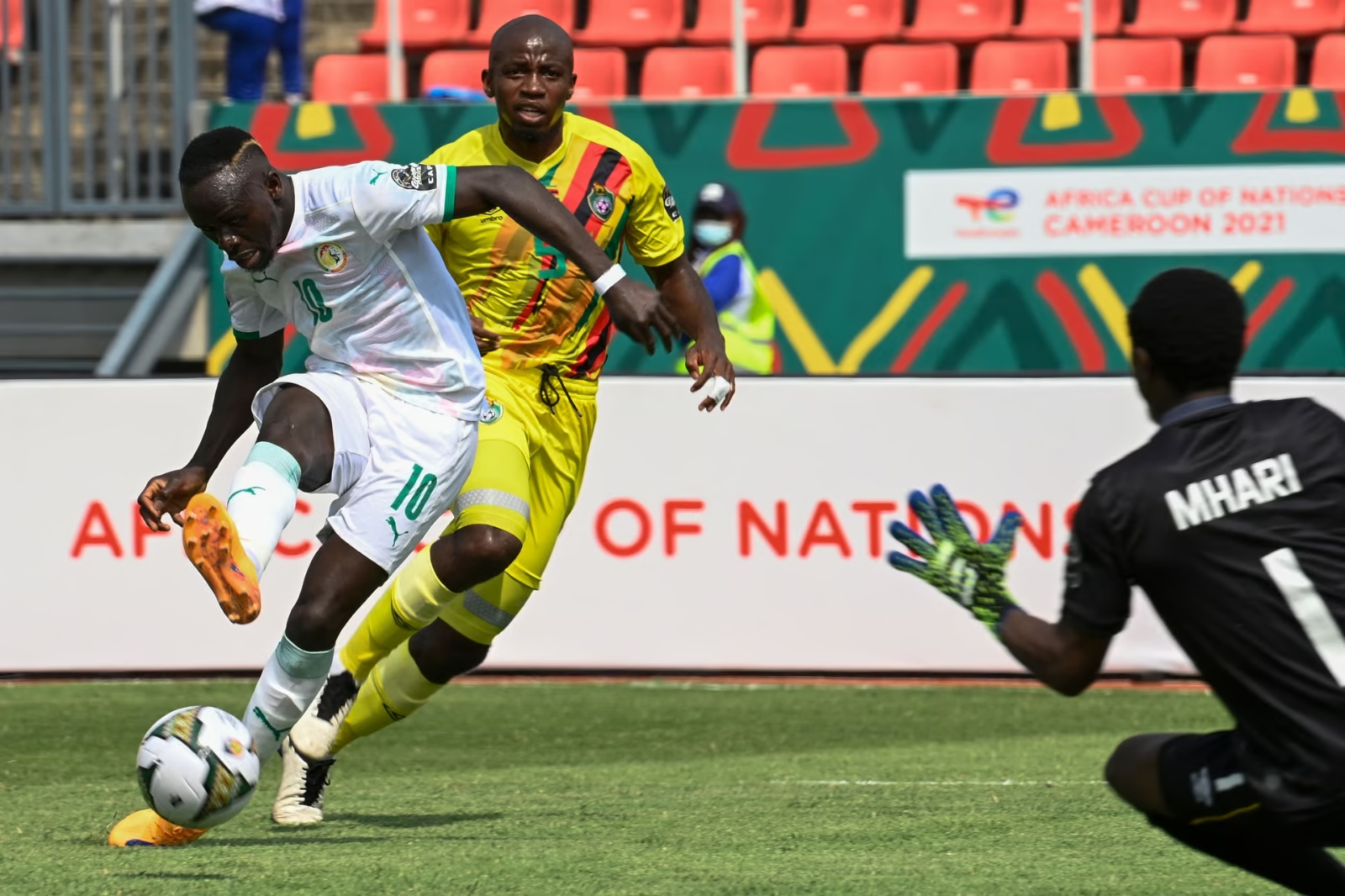
At the FIFA World Cup in June 2026, African football reached a historic milestone as nine out of ten African countries advanced to the knockout stage. Morocco pushed forward to the quarterfinals, while back home, hundreds of millions of fans watched games broadcast from stadiums in Dallas and New Jersey on their phones at two in the morning from Lagos to Nairobi. When a global investor looks at Africa today, they see precisely that image: a youthful, mobile-first, emotionally invested audience that is engaged throughout the continent in the middle of the nite for football.
For most of the past half-century, Africa’s place on the international football stage has been pretty clear-cut. Scouts would spot talent, negotiate fees and fly players in. They took the money with them. What remained were domestic leagues unable to maintain commercial value, academies in need of reconstruction, and supporters who increasingly preferred watching the Premier League on Sunday afternoons over local events.
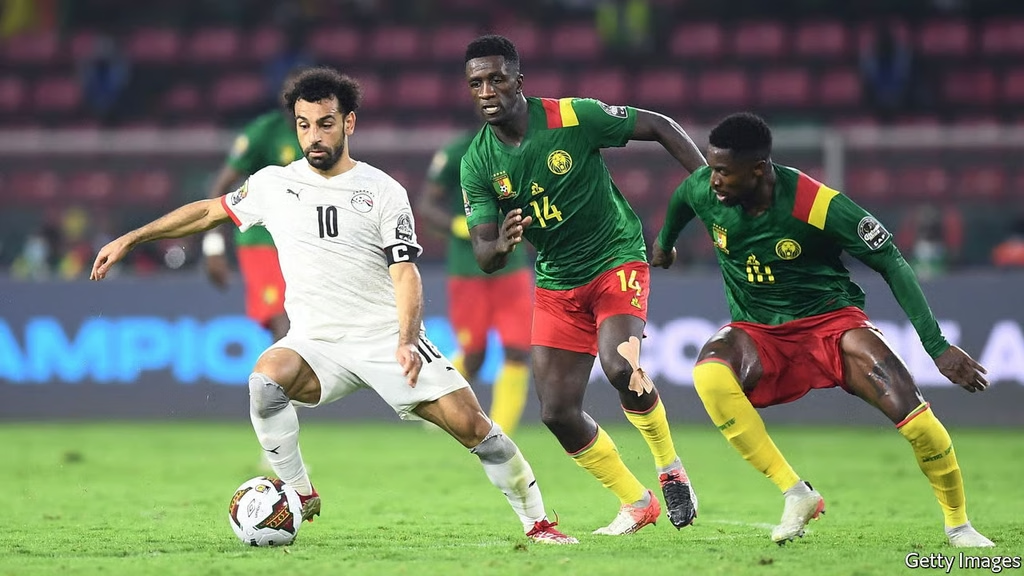
That calculus is changing. Investors are no longer coming just to find the next great player. They’re coming for the infrastructure that creates those players.
From Talent Exporter to Investment Destination
For much of the commercial history of African football, the business model was simple: develop, export, repeat. Academies became the de facto scouting arms for European clubs. Local leagues captured only a small fraction of the value that their graduates eventually produced abroad.
The focus has shifted to the breadth of what’s being evaluated. Private equity groups, Gulf capital vehicles, and global media companies are actively evaluating the talent pool. They’re evaluating training facilities, talent scouting systems, media rights deals, sponsorship opportunities, and in certain instances, complete club ownership. The entry costs in Europe make it difficult for many to get involved. Africa presents an opportunity that European football has long since overlooked: the potential for development and expansion.
For investors who’ve spent years unable to buy Premier League or Bundesliga assets, the opportunity is structural, not speculative.
The Institutions Making Football More Investable
One of the key factors attracting significant investment to the continent is the gradual improvement of governance structures in African football. CAF has rolled out club licencing requirements and implemented stricter financial compliance measures across its member associations. Compliance varies significantly among all 54 members. No one with genuine investment in this arena would argue differently. However, the path ahead is evident enough for long-term investment to regard it with the seriousness it deserves.
The story of AFCON’s commercial development is more dramatic. There were nine commercial partners for the 2021 edition. There were 17 in the 2023 competition. That figure rose to 23 for AFCON 2025 in Morocco, where brands from the US, China, Japan, and the EU arrived and commercial revenues increased by over 90% over the previous edition.
The total revenue from AFCON 2025 was $192.6 million. Approximately $126 million came from sponsorships. About $46 million was spent on broadcast rights. Nearly $19 million was made from ticketing and hospitality. They are not forecasts. According to reports, these results represent a significant commercial shift for African football that would have seemed unlikely ten years ago.
These audiences are the focal point of the broadcasting industry’s consolidation. By acquiring MultiChoice, the South African pay-TV company that runs SuperSport, Canal+ established a unified broadcasting and streaming business with a continental reach. It’s partially defensive; Canal+ is defending its market share against international platforms that have determined that Africa will be their next major streaming market. Both parties to the merger recognised that football is the content that drives that viewership.
Why Fans Are the Real Asset
The most commercially significant asset in African football isn’t a player or a stadium. It’s the community of supporters.
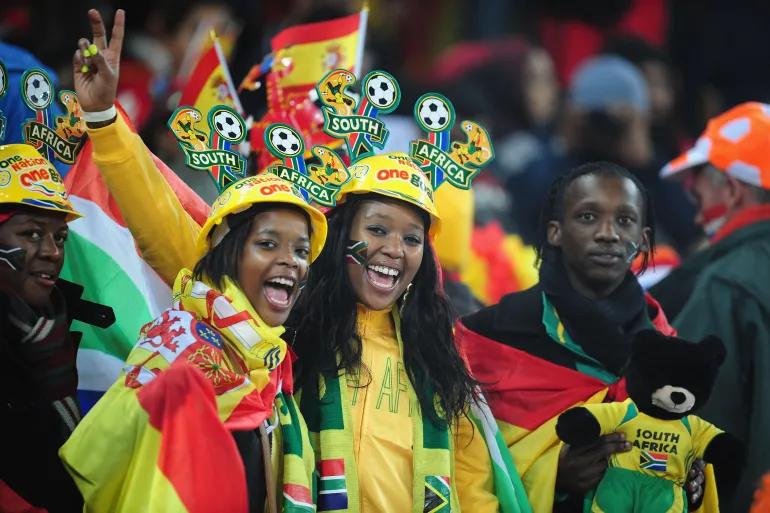
Football in Africa resonates on a level of emotion that many sports markets find difficult to emulate. National team games transform into community celebrations. Fans pack viewing centres well ahead of kick-off. AFCON 2025 achieved an impressive 5.2 billion video views and 6.1 billion digital impressions throughout the tournament, nearly tripling the digital footprint of the last edition. For brands aiming to connect with a young, urban, mobile-first consumer demographic, achieving that level of reach through traditional advertising methods is exceptionally challenging.
The Middle East and Africa sports streaming market hit $1.283 billion in 2024. By 2030, projections estimate that figure will reach $2.379 billion. In contrast to Europe’s television-first approach, African audiences are developing their consumption habits primarily through mobile from the outset. This shift results in distinct infrastructure needs and, in many ways, offers a more cost-effective scaling solution. Orange’s mobile-only AFCON 2025 streaming deal across 13 African markets represents a strategic initiative rather than a secondary option. It serves as the main model.
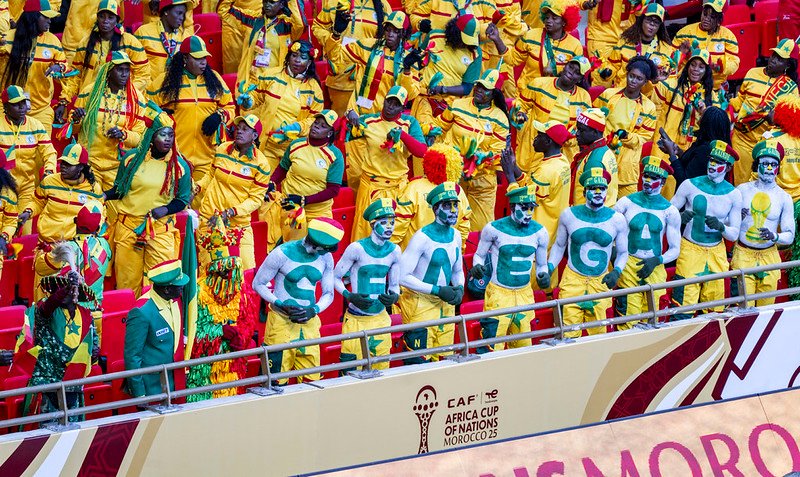
What remains lacking is the conversion layer: transforming raw passion into subscription revenue, merchandise sales, and steady gate receipts. The divide between engagement and monetisation is precisely what savvy commercial operators see as their opportunity.
Academies, Data, and the New African Football Economy
Player development is where the shift in African football’s commercial logic is most legible. Organisations like Right to Dream in Ghana have shown that a properly structured academy can produce both elite players and significant returns on investment. Across West, East, and Southern Africa, similar models have followed, each adapting the concept to local conditions.
This summer’s transfer window showcased a definitive illustration. Ayyoub Bouaddi, a Moroccan international who developed his skills in French grassroots football before joining Lille, has completed a transfer to Manchester City for £81.3 million. The academy and club infrastructure that recognised, nurtured, and marketed him retained a share of that value. African football’s next goal is to retain more talent on the continent before it makes its way to Lille.
Modern academy programmes are more capable of achieving this than ever before. Sports science, data analytics, GPS tracking, and structured education pathways are increasingly being adopted as standard practices in well-resourced operations. Technology is bridging the information divide that has traditionally placed African clubs at a disadvantage in transfer negotiations. Improved data leads to enhanced accuracy in valuations. Enhanced valuations lead to increased fees. Enhanced fees contribute to the development of superior infrastructure. The cycle, once initiated, maintains its own momentum.
The Battle for Local Football’s Future
Domestic leagues continue to be the outstanding element of this scenario. For many years, fans in Africa have focused their attention and financial support on European competitions, leaving local products to face challenges in gaining commercial traction. Inconsistent stadium infrastructure, fragmented broadcast arrangements, and competition quality that failed to captivate audiences resulted in limited sponsorship funding and shallow engagement.
The digital era presents an alternative route. Clubs that make substantial investments in direct-to-fan content, social media interaction, and local commercial partnerships are connecting with audiences that traditional broadcast models have failed to reach. If more robust domestic leagues emerge from that engagement, the effects reach far beyond mere commercial metrics. Retaining players in domestic competitions for a longer duration enhances quality, fosters the development of local stars with commercial appeal, and prolongs the period for capturing value before they move overseas.
It is not feasible to prevent talented players from leaving Africa, and even if it were possible, it would not benefit anyone. Player movement on a global scale is deeply intertwined with the financial aspects of football. It is possible to enhance the commercial value of local football to capitalise on that talent while it remains on the continent.
Who Captures the Upside?
African football’s investment narrative is genuine. The AFCON revenue figures, the streaming market forecasts, the trajectory of transfer fees, and the expanding base of commercial partners all illustrate fundamental shifts that have taken years to develop and are now gaining momentum.
The unresolved issue is ownership. New World TV’s recent €245 million financing deal for African broadcasting rights marks a notable development in the competitive landscape, indicating that African-controlled entities are increasingly vying for a stake in the sale and distribution of the continent’s football. Its significance reaches far beyond any individual business agreement.
Historically, the business of African football prioritised extracting value from the continent. Transfer fees have significantly benefited European clubs. Broadcast revenues aligned with European rights holders. Sponsorship decisions were made in boardrooms distant from the fans who maintain the interest. That architecture remains intact. However, the dispute is currently ongoing.
The trajectory of African football will not be determined by the upcoming big transfer or the latest AFCON sponsorship deal. It will be shaped by academy ownership, control of broadcast rights, and platforms that connect hundreds of millions of passionate fans to the game. The capital is on its way. The infrastructure is currently under construction. What truly elevates this narrative beyond mere commerce is the question of whether the value generated remains on the continent.
About the Author


2 Comments
Nairobi 2029: The World Athletics Championships Finally Come to Africa - African Football News: Live Scores, Transfers & Sports Culture | BOX18 Africa
CAF and the Future of African Football: How Much Responsibility Should One Institution Carry? - African Football News: Live Scores, Transfers & Sports Culture | BOX18 Africa