
Securing the Long-Term Future of FIFA’s School Football Program
A consignment of footballs can be photographed, counted and distributed in a day. Keeping a school football programme alive is a slower job. Someone has to schedule it, support the teacher running it, and arrange for what happens when that teacher leaves. Those decisions determine whether the programme remains available to children after its launch has faded from the news.
The second school year deserves a place in the original funding agreement. African football associations and education authorities should agree on continuing teacher support and replacement arrangements before treating a school as successfully reached. Equipment is necessary. A recurring educational activity also needs a recurring place in the institution.
FIFA’s July 2025 account of member-association activity described the distribution of Football for Schools equipment in Zimbabwe’s Midlands Province. The same account covered the programme’s launch in Nepal, including a pilot involving 270 schools and training for district safeguarding officers. These are examples of the initial work from which a lasting programme has to grow, rather than evidence that either programme has failed.
The comparison matters to me as an educator based in Nepal. A school programme can cross continents through a shared sporting ambition while facing very different timetables, staffing arrangements and resources. The administrative question travels with it: who will make sure the next group of children can take part?
FIFA’s description of Football for Schools identifies capacity building, cascade training and long-term implementation among its priorities. The programme, developed in collaboration with UNESCO, connects football with education and life skills. Continuing support is therefore consistent with the stated purpose. It should be visible in the way implementation is funded and assessed.
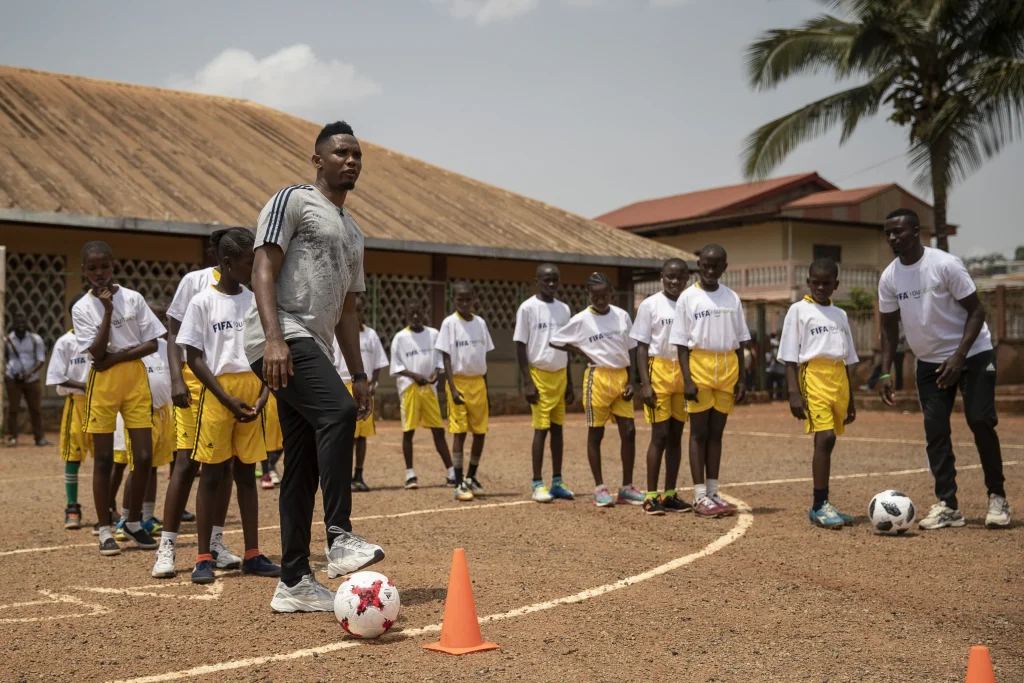
One practical requirement would be a handover plan. Each participating school could identify more than one trained member of staff and retain a usable record of the sessions, equipment and safeguarding arrangements. The purpose would not be to turn teachers into administrators. It would be to stop a programme from existing only in the memory and unpaid enthusiasm of one colleague.
Refresher training should also be scheduled, not left as an optional invitation after the initial course. Teachers need somewhere to discuss what worked, what excluded children and what had to change. A training cascade deserves feedback from the final classroom. Counting the people trained at the top of the cascade cannot establish what children experience at its end.
The school year creates ordinary interruptions that require ordinary planning. Examinations change timetables. Staff move. Balls wear out. A playing space becomes unavailable. None of these events necessarily warrants another major grant, but the programme needs a way to make small decisions and purchase modest replacements without waiting for a national relaunch.
Participation should be examined with the same patience. A total number of registered children can conceal a different pattern of regular attendance. Schools should be able to notice when girls, children with disabilities or younger pupils are dropping out of sessions and ask what practical barrier has appeared. They should do so without requiring children to surrender unnecessary personal information.
Donors will reasonably want evidence that continuing support is worth paying for. That evidence can be concrete: sessions actually held during the following school year, teachers still using the materials, replacements trained and barriers that schools managed to remove. A report that honestly records interruptions would be more useful than one that repeats the launch attendance forever.
Such evidence does not require promising that sport will solve every educational problem. Football sessions cannot compensate for an underfunded school, and a teacher should not be asked to repair the whole system through an extra activity. The programme needs realistic objectives and a workload that the school can sustain.
Local adaptation is part of that realism. A national template should allow teachers to respond to available space and children’s needs while retaining clear safeguards. Support can help them make those decisions well. It should not require pretending that every school has the same facilities or that one demonstration session settles all later questions.
Large sporting organisations can attract attention and resources that schools struggle to secure on their own. That reach is valuable. The test is whether the partnership leaves behind a routine that the school can continue, with responsibility shared between football and education authorities.
When the next programme is announced, the important question is what its budget says about the year after the cameras have left. A football that remains usable, a teacher who receives support and a replacement who knows how to begin would be quiet achievements. They are also the conditions under which the next class receives a turn.
About the Author



0 Comments