
Premier League says Manchester City broke financial rules for nearly a decade
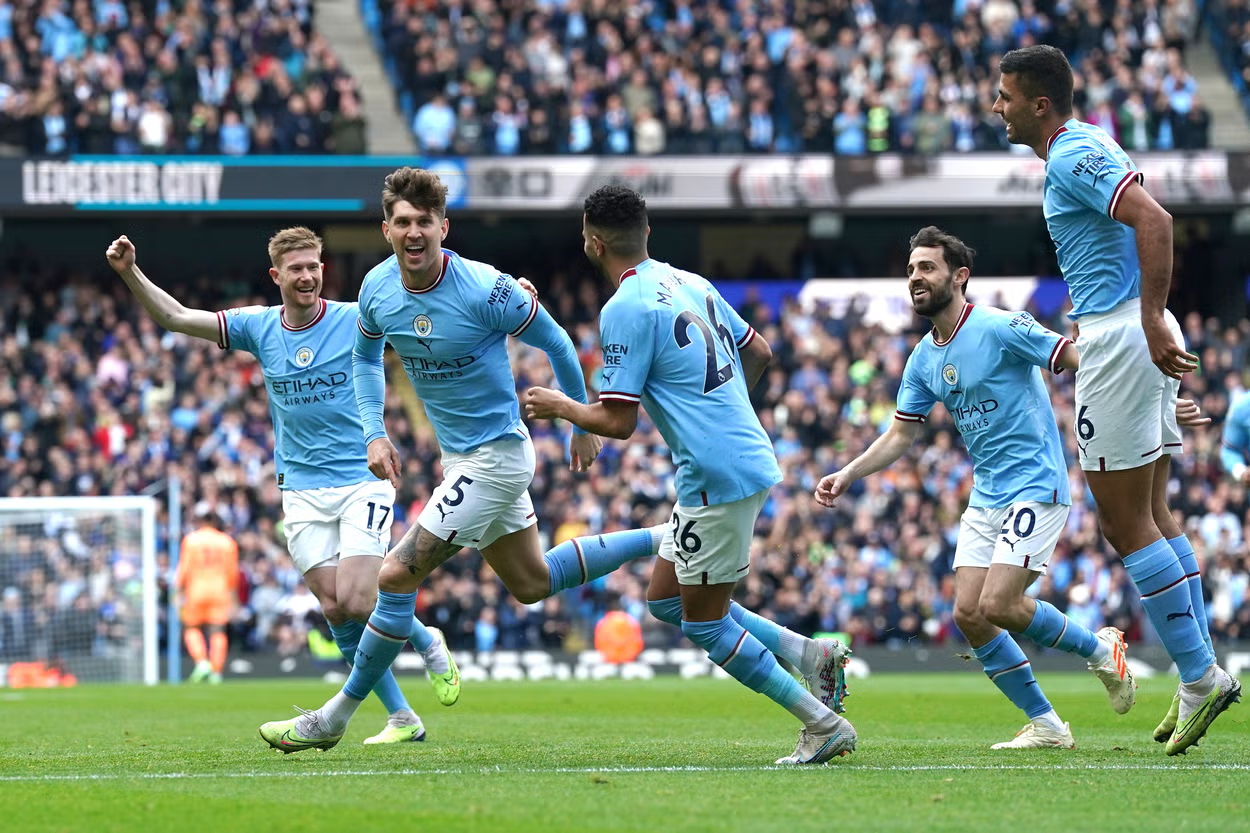
The Premier League has released the main conclusions of an independent Commission that determined Manchester City was guilty of all charges concerning significant violations of its financial regulations over nine seasons, spanning from 2009/10 to 2017/18. The Commission upheld three of the four charges against the City for failing to cooperate with the League’s investigation.
According to the Commission, City arranged “sham” sponsorship agreements in which partners paid only a portion of the stated fee. The remaining funds were provided by Abu Dhabi United Group Investment & Development Ltd (ADUG), the club’s previous owners. Further ADUG-funded arrangements allowed City to report lower operating expenses, and a circular agreement with Fordham, a buyer of players’ image rights, was also deemed a sham.
The League says the schemes inflated revenue and cut costs by more than £900 million. The Commission found that City filed misstated accounts, hid its true finances from auditors and regulators, and would have breached both Premier League and UEFA spending limits by a very substantial margin had everything been reported accurately.
David Ornstein of The Athletic first reported the verdict on Friday, 25 September 2026. Citing sources briefed on the matter, he said City had been found guilty on 114 of 115 charges. The League’s statement confirms the outcome but gives no tally.
The League’s position
Richard Masters, the Premier League chief executive, said the decision showed how City ‘systematically broke Premier League Rules for nearly a decade’. He called it the most significant disciplinary case in the League’s history and said it vindicated the decision to pursue City.
The statement is careful about who is speaking. It stresses that the Commission sits outside the League, drawn from a Judicial Panel whose members are chosen by an independent chair, and that the rules were approved by the clubs themselves. Masters frames the case as protecting competitive fairness for every club and fan, which shifts the League’s role from accuser to guardian.
The sequence matters too. The League can publish now because the Commission ruled, and an Appeal Board confirmed, that its decision is a final award. Sanction goes to a separate hearing, which is private until the rules allow publication, where fines, points deductions and other sporting sanctions are all available. Masters promised to move swiftly, a pledge that is significant after a process that began in December 2018 and a hearing that ended in December 2024.
City’s response
City said it was disappointed and surprised, maintained that it is innocent and said it would be relentless in any regulatory and legal forum. The club will appeal on the grounds that the opinion contains ‘clear material errors of law, principle and fact’, according to its official statement.
One line goes straight at the League’s framing. City said it had respected due process for eight years on the assumption that the League would act as an independent and impartial regulator. The argument is moving from what happened to who is entitled to judge it, and the Commission’s independence is now the ground both sides are fighting over.
What happens next
City has until Friday, 2 October 2026, to appeal. An Appeal Board of three, chaired by someone who has held judicial office, can allow the appeal, dismiss it or vary the Commission’s order. The League wants the whole process, appeals included, finished as soon as possible.
The League now has its findings. The sanction and the city’s appeal will decide what they are worth.
About the Author




0 Comments