
CAF and the Future of African Football: How Much Responsibility Should One Institution Carry?
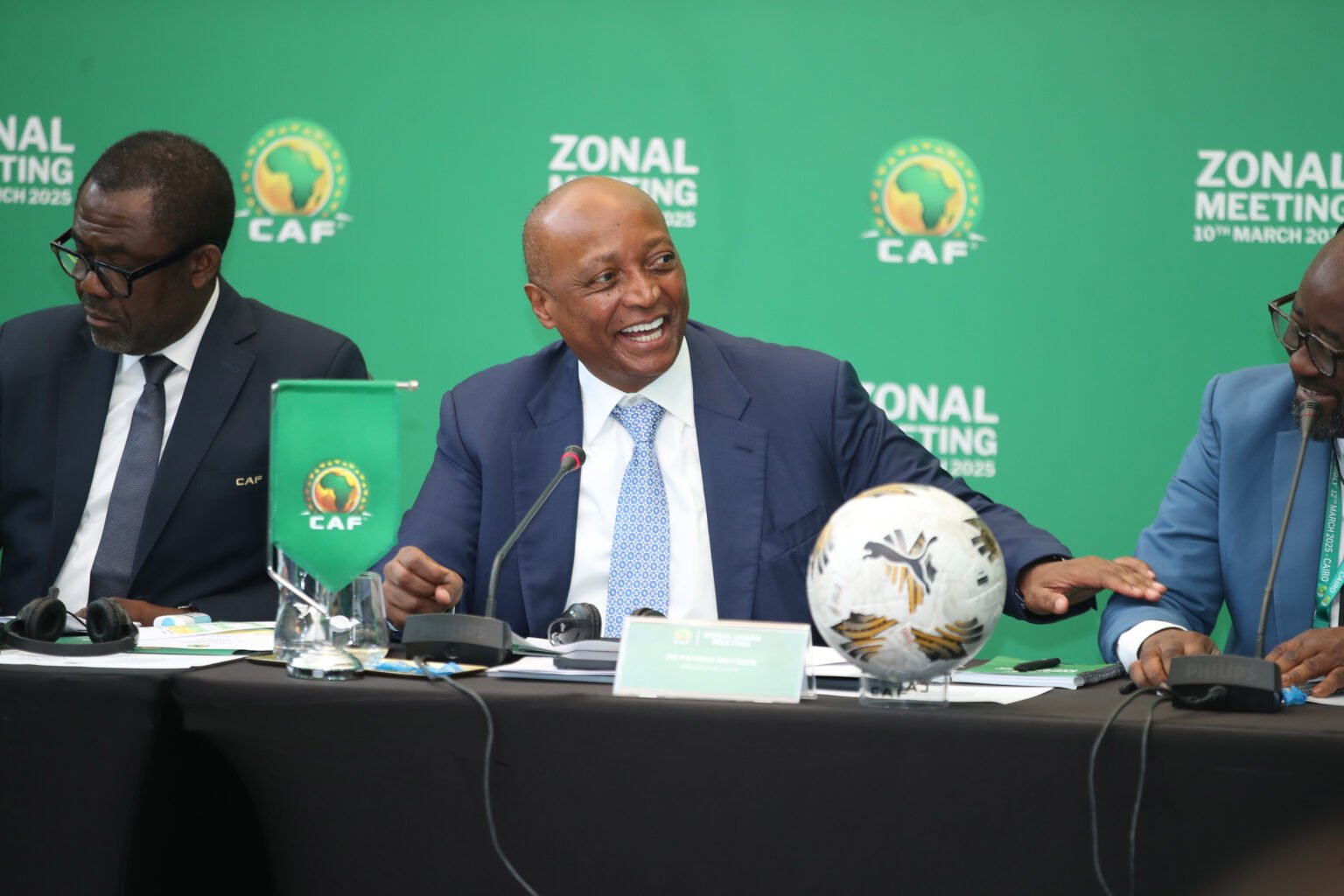
The discussion of anything significant about African football has always been around the Confederation of African Football (CAF).
Whenever African teams stumble on the world stage, public anger swiftly flows upstream toward Cairo. When sub-standard stadiums fail basic inspections, or when domestic leagues founder in commercial obscurity, the reflex is always the same: hold the governing body accountable. CAF has become African football’s ultimate lightning rod.
That expectation, however heavy, is entirely understandable. As the apex authority, the Confederation of African Football occupies the central nerve center of the game on the continent. It dictates regulatory standards, distributes development capital, and carries Africa’s mandate into FIFA’s corridors of power. When the machinery of African football falters at any level, the pressure naturally lands on the institution holding the steering wheel.
But the magnitude of the problems in African football raises a question. How much responsibility should CAF actually carry for the future of the game across a continent of 54 football associations, thousands of clubs and more than a billion people?
The answer matters because understanding CAF’s role is essential to understanding both the progress and limitations of African football development.

CAF Patrice Motsepe with Banyana Banyana at the Fifa Women’s World Cup. Photo: Gavin Barker/BackpagePix
CAF Was Created to Lead African Football
CAF was founded in 1957 by four nations – Egypt, Sudan, Ethiopia and South Africa. CAF’s role extends beyond arranging football tournaments.
CAF was meant to become the voice of African football and a vehicle for the development of the sport in a continent that was only beginning to break away from colonialism.
In today’s world, CAF coordinates 54 national associations and is one of the largest confederations in FIFA, responsible for organising tournaments, development of the game, raising the level of governance, generating new business and representing African interests internationally.
However, it is crucial to remember the fundamental difference between CAF and governments.
It does not directly run most domestic leagues. It does not build national stadiums. It does not appoint federation executives. It does not manage grassroots football programmes in all countries.
Its influence is significant, but it operates through national associations, clubs, governments and football stakeholders rather than replacing them.
This distinction helps explain why CAF can shape African football’s direction without controlling every outcome.
Competitions Are More Than Tournaments
For many supporters, CAF is most visible through its competitions. The Africa Cup of Nations remains the continent’s flagship sporting event. The CAF Champions League and CAF Confederation Cup provide platforms for elite club football. Women’s competitions continue to grow in prominence, while youth tournaments help identify future generations of talent.
People often see these competitions as the end products of football development. In reality, they are development tools themselves.
AFCON has evolved into being among the major motivators of investments in football on the continent. Hosting countries tend to invest heavily in improving their infrastructure as well as their broadcast facilities to prepare for the competition.
CAF Champions League provides an avenue through which clubs can earn money, gain exposure and play better football.
CAF’s ambitions in this area continue to evolve. CAF President Patrice Motsepe has confirmed that the African Football League will return later in the year with significantly increased prize-money packages.
The initiative reflects CAF’s broader effort to strengthen the commercial foundations of African club football and create competitions capable of generating greater financial rewards for clubs across the continent.
The project is about more than adding another tournament to the calendar. It is an attempt to address one of African football’s longstanding structural challenges: the limited commercial power of many domestic clubs compared to their counterparts in Europe and other major football markets.
If successful, stronger continental competitions could help attract investment, improve club sustainability and reduce the financial pressures that often force talent to leave Africa at an early stage of their careers.
Similarly, youth competitions provide pathways for talent identification and exposure, while women’s tournaments have accelerated investment in women’s football across several African countries.
Football development does not begin when a tournament starts. But major competitions often create the incentives that encourage development long before the opening whistle.
Infrastructure Remains African Football’s Biggest Test
If there is one area that continues to highlight both CAF’s influence and its limitations, it is infrastructure.
Over the past decade, several African nations have been unable to host international matches because their stadiums failed to meet the required standards. In some cases, national teams have been forced to play home fixtures in neighbouring countries or thousands of kilometres away from their own supporters.
These situations often generate frustration and criticism directed at CAF. Yet they also expose a deeper reality about football development.
CAF can establish standards. It can conduct inspections. It can encourage investment. It can provide technical guidance and development support. What it cannot do is build stadiums on behalf of sovereign nations.
Modern football infrastructure requires substantial investment from governments, private investors and national football authorities. Training facilities, transportation networks, medical facilities and stadium maintenance all fall largely outside CAF’s direct control.
The organisation can demand better conditions, but it cannot pour the concrete.
This reality illustrates one of the central tensions in African football governance. CAF is expected to deliver outcomes that often depend on institutions beyond its authority.
Development Happens Long Before AFCON
One of the biggest misconceptions about football development is that people measure it primarily by tournament performances. In reality, development occurs long before players appear on television screens.
Recognising this, CAF has increasingly invested in programmes that strengthen the foundations of the game.
Coaching education has become a major priority. Through the CAF Coaching Convention and licensing framework, the organisation has sought to standardise coaching qualifications and improve technical expertise across its member associations.
Referee development has also received greater attention. Training programmes, fitness standards and the gradual implementation of technologies such as VAR aim to improve officiating quality across competitions.
Women’s football has emerged as another strategic focus. Increased investment in women’s competitions and development programmes reflects a broader recognition that long-term growth requires expanding participation beyond traditional structures.
These initiatives may attract less attention than major tournaments, but they are arguably more important to African football’s future.
The next generation of players will be shaped not only by talent but also by the quality of coaches, referees, facilities and development systems surrounding them.
Talent Has Never Been Africa’s Biggest Problem
Africa’s football history offers abundant evidence of talent. From academies in West Africa to football communities in North Africa and emerging systems across East and Southern Africa, the continent continues to produce players capable of competing at the highest levels of the global game.
The challenge has rarely been talent alone. The greater challenge has often been governance.
Strong football ecosystems require more than gifted players. They require competent administration, financial accountability, long-term planning and institutional stability. This is one area where CAF has increasingly attempted to exert influence.
Club licensing regulations, governance requirements and financial compliance standards have become important tools in raising professional standards. These measures are not always popular, particularly among clubs operating with limited resources.
The management function of CAF is not limited to just making key decisions about the future shape of African football, such as the previous debates on increasing the number of participating teams in the Africa Cup of Nations from 24 to 28.
Although this change would have offered greater opportunities to member countries. Tournament quality, logistical, and competitiveness issues are said to have led to the rejection of this idea by CAF’s Executive Committee.
The episode highlights an important reality about football governance. Development is not always about making competitions larger. In some cases, it is about ensuring existing structures remain sustainable, competitive and commercially viable.
However, the objective is clear. Sustainable football requires sustainable institutions. Without effective governance, even the most talented football environments struggle to achieve long-term success.
Why CAF Continues to Face Criticism
Despite progress in several areas, CAF remains one of the most scrutinised sporting institutions on the continent. Some criticism is justified.
There have been queries about scheduling choices, infrastructure preparedness, administrative transparency, and development imbalance among the different member associations. The magnitude of problems facing the sport in Africa results in progress that seems to be slower than desired by all the different parties involved.
On the other hand, CAF is constantly measured against the standard of unrealistic expectations for a single confederation.
African football occurs in a highly variable political, economic, and institutional setting, unlike European football, which benefits from many leagues that have received significant commercial investment and maintained relatively stable infrastructure for decades.
The challenges in football in Morocco are very different from those in Sierra Leone, Ethiopia, Namibia, and Madagascar.
This makes development challenging in such varying conditions. However, the situation doesn’t make excuses for failures. But it does provide important context for evaluating CAF’s performance.
What Success Should Actually Look Like?
The future of African football cannot only be measured by AFCON TV viewership, World Cup qualifying numbers, or even revenue from tournaments alone. They are factors to consider, but they don’t paint the whole picture.
Success should be judged by how many licensed coaches there are, more experienced referees, better domestic leagues, improved stadium facilities and financially stable football clubs on the continent.
This would also mean making sure that women and youth have equal opportunities to participate and grow in the sport.
One of the key aspects is building strong institutions that will ensure the longevity of the game, outlasting the careers of players, administrators, and coaches involved in clubs and national teams.
The trajectory of African football is shaped by more than just a single tournament, a solitary FIFA president, or a fleeting generation of talent. It will be decided by the governing bodies.
CAF is undoubtedly the most influential football institution on the African continent. The decisions it makes will continue to impact competition, development and investment across the continent. But influence does not equate to responsibility.
CAF can set standards, create opportunities, and show leadership. What it cannot do is replace the work of governments, national federations, clubs, investors and local football communities.
The future of African football depends not on whether CAF can solve every problem, but on whether the continent’s broader football ecosystem is prepared to share responsibility for building something bigger than any single institution could achieve alone.
About the Author


0 Comments