
How Tech Startups Are Rewriting the NPFL Sponsorship Playbook
The betting industry has long dominated NPFL sponsorship, with online betting platform logos appearing on the front of club shirts throughout the Nigerian Premier Football League. That pattern is now changing as FinTech companies, food delivery platforms, and other tech startups enter the market and begin rewriting the league’s commercial playbook.
Bet9ja, BetKing, Stake and other betting companies became familiar names across the shirts of Nigeria’s top clubs. By the end of the 2025/26 season, four betting brands were among the league’s front-of-shirt sponsors, down from six the previous season.
But the shirts are beginning to tell a different story.
As the 2026/27 season began on the 28th of August, new brands from fintech, food delivery and energy are taking up valuable space on NPFL jerseys.
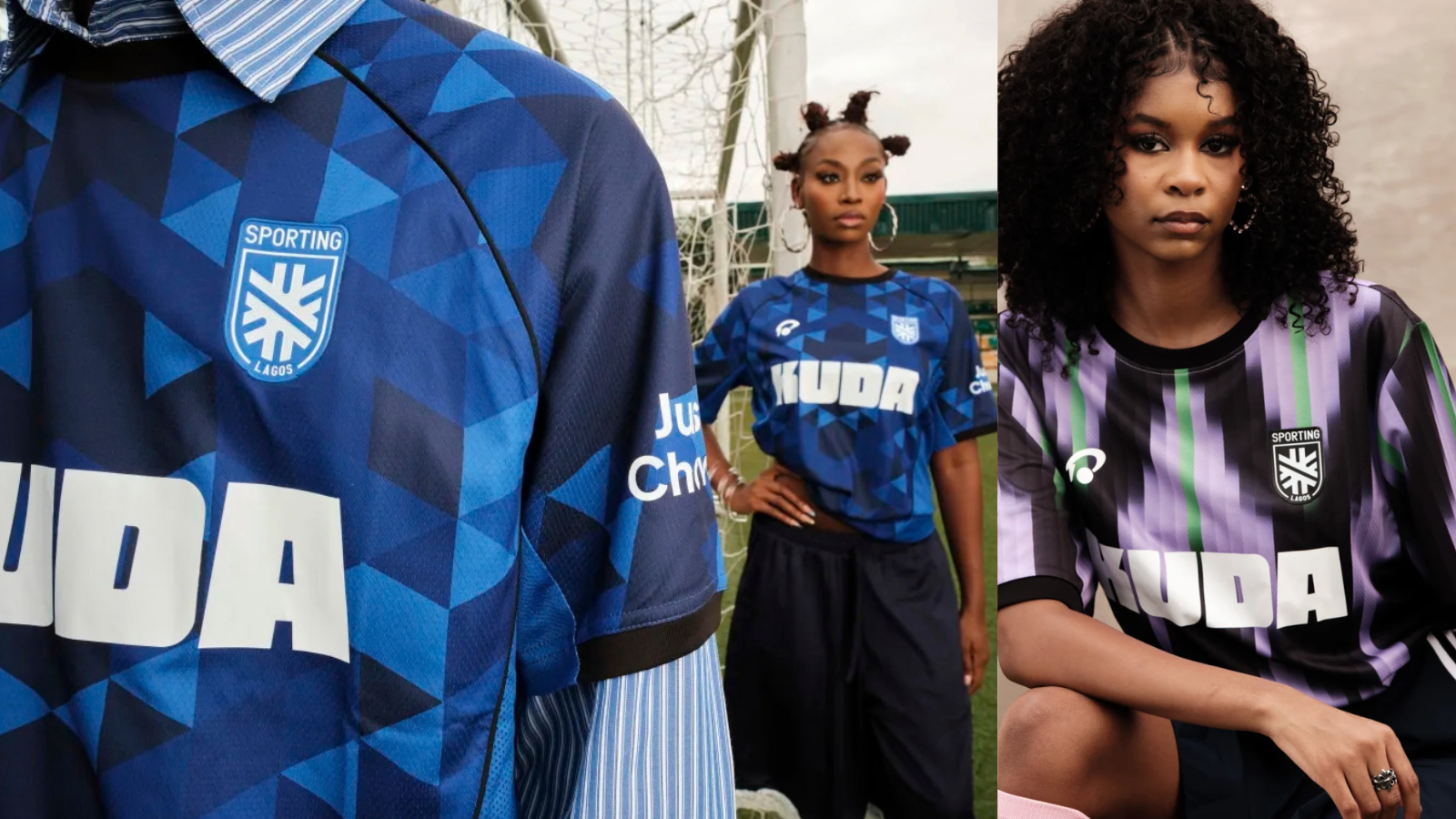
Sporting Lagos has put Kuda on the front of its home and away shirts. Shooting Stars has brought Chowdeck to the front of its shirts and BOVAS to the sleeves, Enugu Rangers has Afrinvest West Africa, as the club’s official jersey sponsor, while Inter Lagos has also brought Paripesa into its commercial line-up.
The NPFL shirt is one of the few pieces of Nigerian football property that travels everywhere with a club. It appears in match photographs, television coverage, social media posts and supporters’ wardrobes.
For brands trying to build recognition among young Nigerians, that visibility can be valuable.
Therefore, the NPFL’s commercial revival is starting to appear on the shirts before the league can fully measure it in the balance sheet.
The Money Behind the Shirts
Most new NPFL shirt deals have not disclosed their financial value.
That makes it difficult to say whether clubs are earning more from their shirts than they did a few years ago. It also makes comparisons between sponsorships difficult because clubs rarely disclose what a front-of-shirt position, sleeve position, or wider commercial partnership is worth.
The BC.GAME deal with Kwara United provides one of the clearest public benchmarks. The club announced a $35,000 one-season agreement for the 2025/26 campaign.
Afrinvest provides another useful example. The financial services company signed a three-year front-of-shirt partnership with Rangers in October 2023, and the sponsorship has been reported at ₦50 million per season. Afrinvest has since continued its relationship with the Enugu club and reaffirmed its commitment after Rangers won the 2025/26 NPFL title.
Those figures indicate that there is money in NPFL shirt sponsorship. They also show why the lack of disclosure around newer deals matters.
The financial details of Kuda’s 2026/27 contract with Sporting Lagos have not been made public. This also holds true for Chowdeck’s front-of-shirt partnership with Shooting Stars, Kwara United as well as Sleeve Partner, Back-of-Shirt Partnership.
Kuda Is Selling More Than a Logo
Sporting Lagos offers perhaps the clearest example of how the shirt can become part of a wider commercial relationship.
Kuda became the club’s headline sponsor for the 2026/27 NPFL season, with its branding placed on the front of both home and away shirts. But the relationship did not begin with the sponsorship announcement this year.
In 2025, Sporting Lagos and Kuda produced a special-edition shirt inspired by the map of Lagos. The jerseys connected Kuda customers to a matchday experience. The two brands have now expanded that relationship into a full-season sponsorship that will include activations, experiences and rewards for supporters and Kuda customers.
That progression is important. Kuda did not simply buy space on a shirt and disappear behind a logo. The two companies first tested whether their audiences had something in common. The special-edition shirt connected Kuda customers with Sporting Lagos and gave the club an opportunity to see how the partnership could work.
The 2026/27 agreement takes that relationship to another level.
For Sporting Lagos, the value is not only the money attached to the shirt. It is also the opportunity to give Kuda access to a football audience through content, matchday activity and fan engagement.
For Kuda, the shirt provides a physical connection to a club whose identity is strongly tied to Lagos.
That is a more developed sponsorship model than simply selling advertising space.
Chowdeck Wants a Place in Ibadan
Shooting Stars is taking the same idea in a different direction.
The Ibadan club has named Chowdeck as its principal partner for the 2026/27 season, putting the food delivery company on the front of its shirt. BOVAS has also taken the sleeve position.
The Chowdeck relationship makes commercial sense because the company already has a strong presence in Ibadan. Chowdeck chief executive Femi Aluko said Ibadan is one of the company’s biggest cities and also spoke about his family’s connection to Shooting Stars.
BOVAS’ deal with Shooting Stars takes the local approach even further. The energy company’s executives have pointed to the shared connection between the company and Shooting Stars.
This is important because it gives both sides time to build something beyond the 2026/27 season. It also indicates that companies do not necessarily need a national football property to make sponsorship worthwhile.
A brand operating strongly in one city may derive more value from owning a visible position on the shirt of that city’s biggest football club than from buying a broader but less targeted advertising campaign.
That is one of the advantages the NPFL can offer. Each club is tied to a specific community. Rangers has Enugu. Shooting Stars has Ibadan. Enyimba has Aba. Those relationships give brands an opportunity to build local recognition through football.
Betting Is Still Part of the Market
Betting companies remain deeply involved in the market. Inter Lagos, one of the clubs promoted to the NPFL for the 2026/27 season, has named Paripesa as its official betting partner for the campaign. The partnership puts Paripesa’s branding on the club’s jersey.
The difference now is that the commercial landscape is no longer as dependent on them as it once appeared.
The 2025/26 season included major betting brands on NPFL shirts, while the 2026/27 season has opened with more visible participation from companies in other sectors.
Rangers move is a good example. The Enugu club announced on its X page that it has partnered with JRB Solar Investment Limited for a sleeve sponsorship for the 2026/27 season.
That diversification is important for clubs. If a club relies heavily on one category of sponsor, it limits its commercial options. A broader sponsor market provides clubs with clubs more opportunities to find companies whose customers match their supporters.
It can also encourage clubs to think differently about what they are selling.
The question is no longer simply, “Who will put their name on our shirt?”
It becomes, “Which companies can use our supporters, city and football identity to build their own business?”
The League Has Finally Put a Price on Its Own Commercial Property
The biggest commercial development around the NPFL this season is not happening on an individual club shirt. It is happening at the league level.
The NPFL has signed a three-year title sponsorship agreement with EuroMatch worth $7.5 million, or $2.5 million per season. Sixty per cent of the annual sponsorship revenue, equal to $1.5 million, will go to the league’s 20 clubs.
That means the clubs will collectively receive about $1.5 million each season from the title sponsorship alone.
The money is not the same as shirt sponsorship revenue. EuroMatch is buying the league’s title sponsorship rights, while Kuda, Chowdeck and BOVAS are buying individual club properties.
But the league deal matters because it provides a clear financial benchmark for the commercial value of Nigerian top-flight football. It also gives clubs another source of central revenue.
NPFL chairman Gbenga Elegbeleye said the money should help improve player wages and welfare.
The bigger question is whether the new money can help clubs build better commercial operations.
The Shirt Is Becoming a Package
The most valuable development may therefore not be the appearance of one new logo. It is the growing idea that a shirt sponsorship can be part of a larger commercial package.
A club can sell the front of the shirt. It can sell the sleeve. It can build sponsorship around training wear, matchday experiences, digital content, tickets, fan rewards and community events.
Sporting Lagos and Kuda are already moving in that direction. Their partnership includes activations and rewards rather than stopping at shirt branding.
Shooting Stars is also building a wider commercial structure around its new season, with Chowdeck, BOVAS, Kelme and Ideas House involved in different capacities.
This is an area where Nigerian football can still improve. The problem is that clubs need to prove the value of the audiences they are selling.
How many people watch their matches? How many attend? How many follow their social media accounts? How often do supporters engage with club content? How many people buy shirts? How much traffic can a sponsor generate through a club partnership?
Those questions matter because a sponsor will eventually want evidence that the money spent on the partnership is producing a return.
The Next Deal Has to Be Worth More
The new brands appearing on NPFL shirts are a positive sign, but they are not proof that the commercial problems of Nigerian football have been solved.
The more important development is that companies outside betting are beginning to see value in the league’s clubs.
These relationships show what NPFL clubs should be trying to build: partnerships that become more valuable because the relationship between the brand, club and supporters becomes stronger over time.
But there is still a major weakness. Most clubs do not disclose how much their commercial properties are worth.
Without that information, it is difficult to know whether the NPFL is genuinely increasing the value of its shirts or simply filling more spaces with different logos.
The next stage of Nigerian football’s commercial growth should therefore be about more than finding sponsors.
Clubs need to become better at measuring their audiences, packaging their rights and reporting what those partnerships are worth.
The new brands arriving on NPFL shirts suggest the market is widening. The next question is whether the money will grow with it.
About the Author



0 Comments