
The Wrong Lesson from Como, and the Right One: What African Youth Academies Actually Need
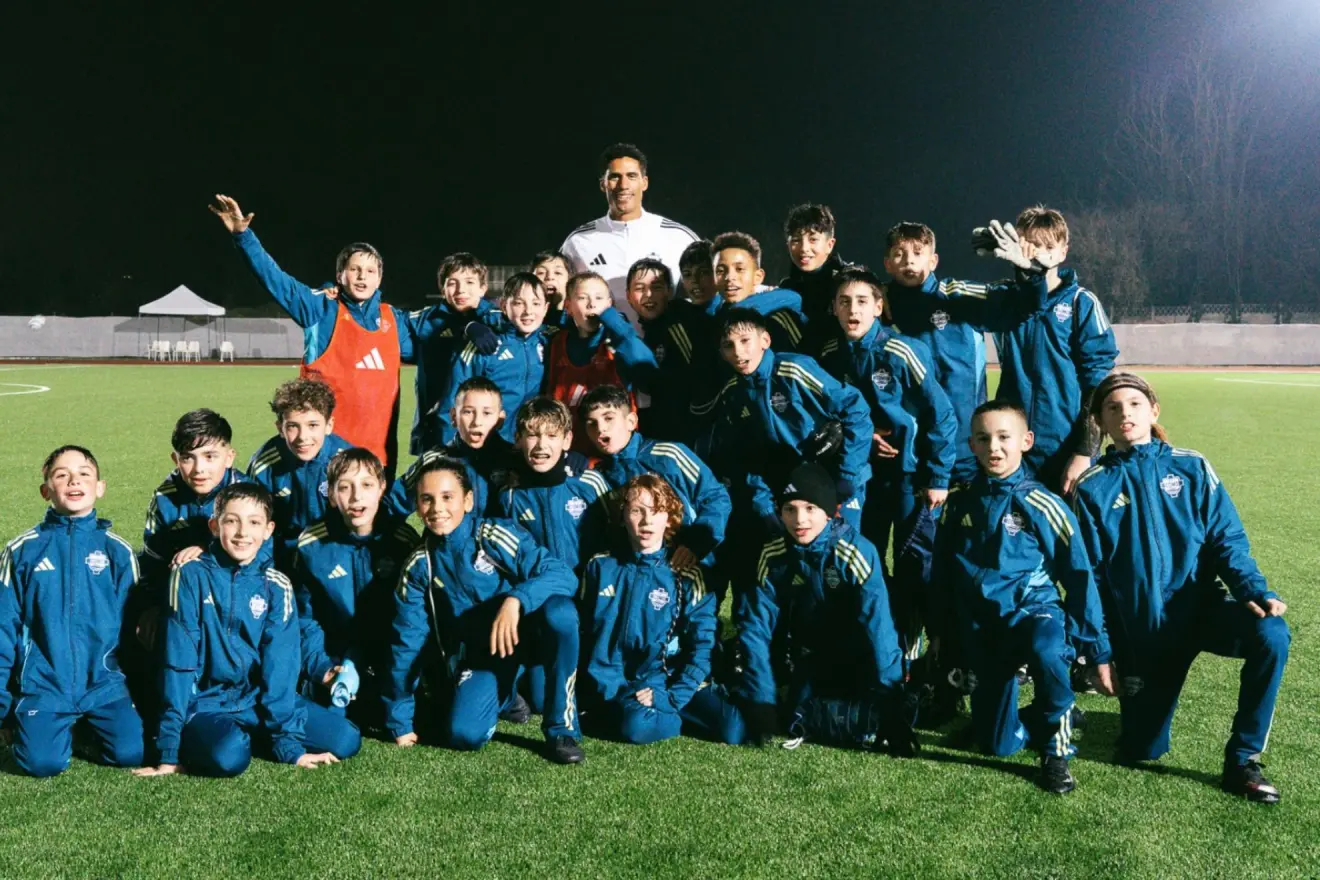
When Raphaël Varane joined Como 1907 in 2024, few expected his next chapter to unfold off the pitch so quickly. Having conquered European football, winning nearly every major trophy available with France, Real Madrid, and Manchester United, Varane built his legacy using his physical dominance and tactical intelligence in defence. Now, following his retirement shortly after arriving in Italy, he has poured that same elite mindset into Como’s front-office project. As a board member guiding youth development, education, and digital strategy, Varane is now using his head to build Como’s future from behind a desk.
But Varane has since spoken openly about the cost of repeated head impacts.
In France’s 2014 World Cup round-of-16 match against Nigeria, he took a blow to the head. Varane also said he carried concussion symptoms into Real Madrid’s Champions League meeting with Manchester City in 2020 after being hit in a La Liga match against Getafe.
Those experiences changed how he thinks about heading. Now, through his work at Como 1907, Varane is helping change when children are taught to do it.
The Italian club has introduced a heading pathway across its academy. Under-10 players do not head the ball in training or matches. Under-11 players can begin learning the technique towards the end of the season with a lighter ball. At the under-12 level, the heading is limited to one session a month, with a maximum of five headers. Under-13 players can practise heading once a week, again with a five-header limit, while heading remains prohibited in matches.
Varane is asking a more precise question: does a nine-year-old need to practise heading with the same frequency as a professional defender?
For Como, the answer is no.
The club wants its youngest players spending more time with the ball at their feet. Its development team says that means more scanning, more problem-solving and more calm decision-making.
That may sound like a small change to how a child trains. It is actually a much bigger argument about what youth football is supposed to be.
Varane Is Taking His Experience Into Youth Football
Varane joined Como’s board in October 2024 after retiring from professional football. His role covers youth development, education and product innovation, and the club said he would work with Head of Development Osian Roberts and Head of Education Juliette Bolon on programmes for young players and the wider community.
The heading policy fits that approach.
Como’s rules are designed to reduce repetitive and unnecessary heading while giving children more time to develop other parts of their game. The club says younger players should have more opportunities to play with the ball, scan the pitch and solve problems.
According to the team, a nine-year-old does not need to spend a session defending the back post like an experienced centre-back. He needs to learn where the ball is, how to receive it, when to pass and how to find space.
Those skills take repetition too.
Como is simply choosing to give those parts of the game more attention before introducing regular heading.
The Science Does Not Give Football an Easy Answer
The debate around heading has become more serious because researchers are looking at the effect of repeated head impacts rather than only obvious concussions.
A header does not automatically mean a player has suffered a concussion. But repeated impacts are part of a discussion about long-term brain health.
Neuroscientist Professor Alan Pearce, founder of Concussion Legacy Foundation Australia and a researcher with the Australian Sports Brain Bank, has pointed to concerns around dementia, motor neurone disease and chronic traumatic encephalopathy (CTE) among people exposed to repeated head impacts.
That does not mean youth heading has been proven to cause CTE. This is important because football has to deal with evidence rather than fear.
The English Football Association has taken a similar approach. It began introducing heading guidance in youth football in 2020 and has since moved to scrap deliberate heading in grassroots matches for younger age groups. From the 2026/27 season, the restriction extends to Under-11 football in England. The FA’s guidance also promotes a graduated approach to heading training between Under-12 and Under-16.
In 2020, Scotland also banned heading football for under-12s.
So Como is not the only one moving in this direction. It is part of a discussion in European football about how much exposure children need to head and when they should learn the technique.
The debate is therefore not simply about whether children should head the ball. It is about how often, at what age and for what purpose.
ALSO READ: 10 Young Players Who Could Define the 2026/27 Premier League Season
Africa Already Has the Academies. The Question Is What They Teach
African football does not need Como to discover youth development.
The continent has produced elite players through academies with very different structures and philosophies. Senegal has Génération Foot and Diambars. Ghana has Right to Dream. Morocco has the Mohammed VI Football Academy. South Africa has Mamelodi Sundowns. Nigeria has a huge network of academies and grassroots programmes producing players across the country.
East Africa has its own growing academy landscape too, including programmes connected to the Right to Dream model in Tanzania,
The question is not whether Africa knows how to find footballers.
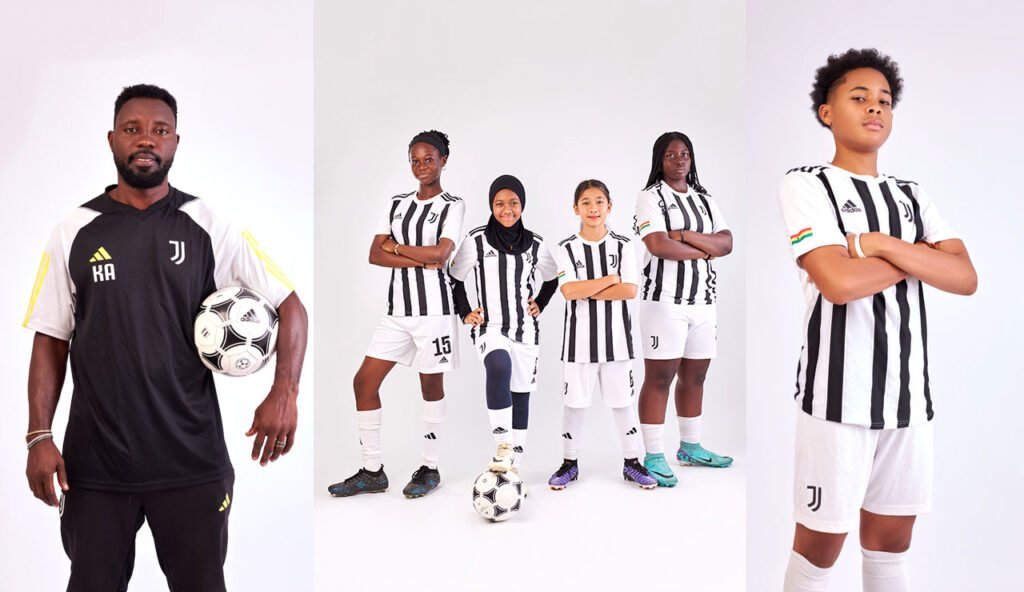
The harder questions are these: Who gets access to good coaching? How early are children selected? What are coaches looking for? How much education sits alongside football? What happens when a player is released? And who protects a child when the dream of reaching Europe becomes more important than the child’s development?
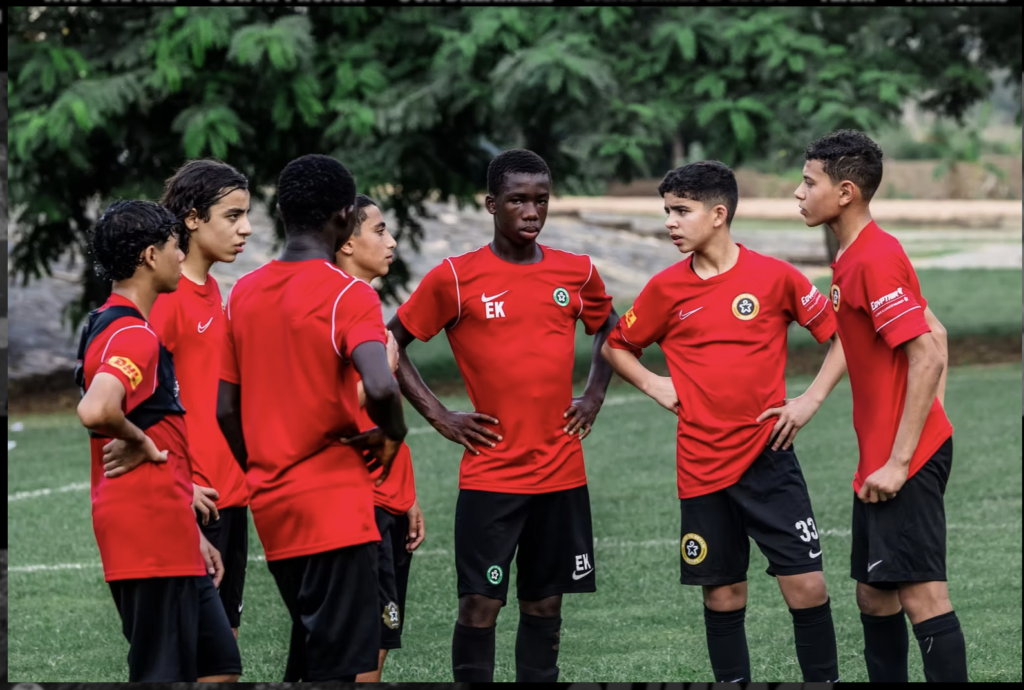
CAF has started putting some of these issues on the agenda. In December 2024, the governing body brought representatives from leading academies across the continent together in Cairo for a workshop on youth football development.
That matters because African youth football cannot be judged only by how many teenagers eventually reach Europe. The quality of the development process is important too.
A young player who is encouraged to make a mistake, look up and find his own solution is learning something different from a player who is simply being told where to stand and what to do.
That is close to what Como is trying to build with its younger players.
The Problem With Developing Children Like Professionals
There is another lesson in Como’s approach that has nothing to do with heading.
Youth football should not be a race to make children look like professionals.
Children mature at different rates. One 10-year-old may be bigger and stronger than everyone else in his age group. Another may be smaller but technically better. A player may also understand the game exceptionally well but still need time for his body to catch up.
If an academy rewards only what a child can physically do today, it can mistake early maturity for talent. That can affect who gets selected, who plays and who gets released.
The same problem exists in youth football around the world. It becomes particularly important in African football because academy selection can carry huge weight for a child and his family. In some cases, being selected can look like the beginning of a professional career. Being released can feel like the end of one before it has even started.
Good development needs more patience.
A smaller player should have time to improve his physical qualities without losing the opportunity to develop his technique. A late developer should not be discarded because another child happens to be stronger at 12. A player who makes mistakes should have enough freedom to understand them rather than being punished every time he loses the ball.
The footballer who looks best at 11 is not necessarily the one who will look best at 18. That is why age-appropriate development is important.
Africa Should Not Copy Como
African academies should not simply take Como’s heading rules and copy them. The conditions are different. The coaching structures are different. The facilities are different. The types of football children play are different.
The lesson for African academies is not a heading ban. It is the habit of asking what a child at each age actually needs.
Does a seven-year-old need the same training demands as a 17-year-old?
Could coaches teach positioning, movement and timing before asking children to make repeated contact with the ball?
Could academies measure progress through decision-making and improvement rather than the number of youth tournaments a team wins?
Those questions are more useful than asking whether Como’s heading limits should be adopted.
The Real Test Is What Happens After the Academy
There is one more question African football should ask when it talks about youth development.
What does success actually mean?
Suppose an academy produces five players who move to Europe. Everyone can point to those five and call the programme successful.
But what about the others who do not become professionals?
If a child leaves at 15 without a professional contract, does he leave with an education, confidence, football knowledge and enough skill to keep playing? Or has he simply been told that he was not good enough?
That is where youth development becomes bigger than scouting.
An academy should not be judged only by the players it sells. It should also be judged by what it gives to the children who never become professionals.
African academies have plenty of reasons to ask the same question. Como is asking of its youngest players: what does this child actually need right now?
The best young footballer is not always the child who looks most ready for the professional game today. Sometimes, he is the one a good academy has the patience to let become ready.



0 Comments