
The Post-Guardiola Era: Can Arteta Make Arsenal England’s New Superclub?
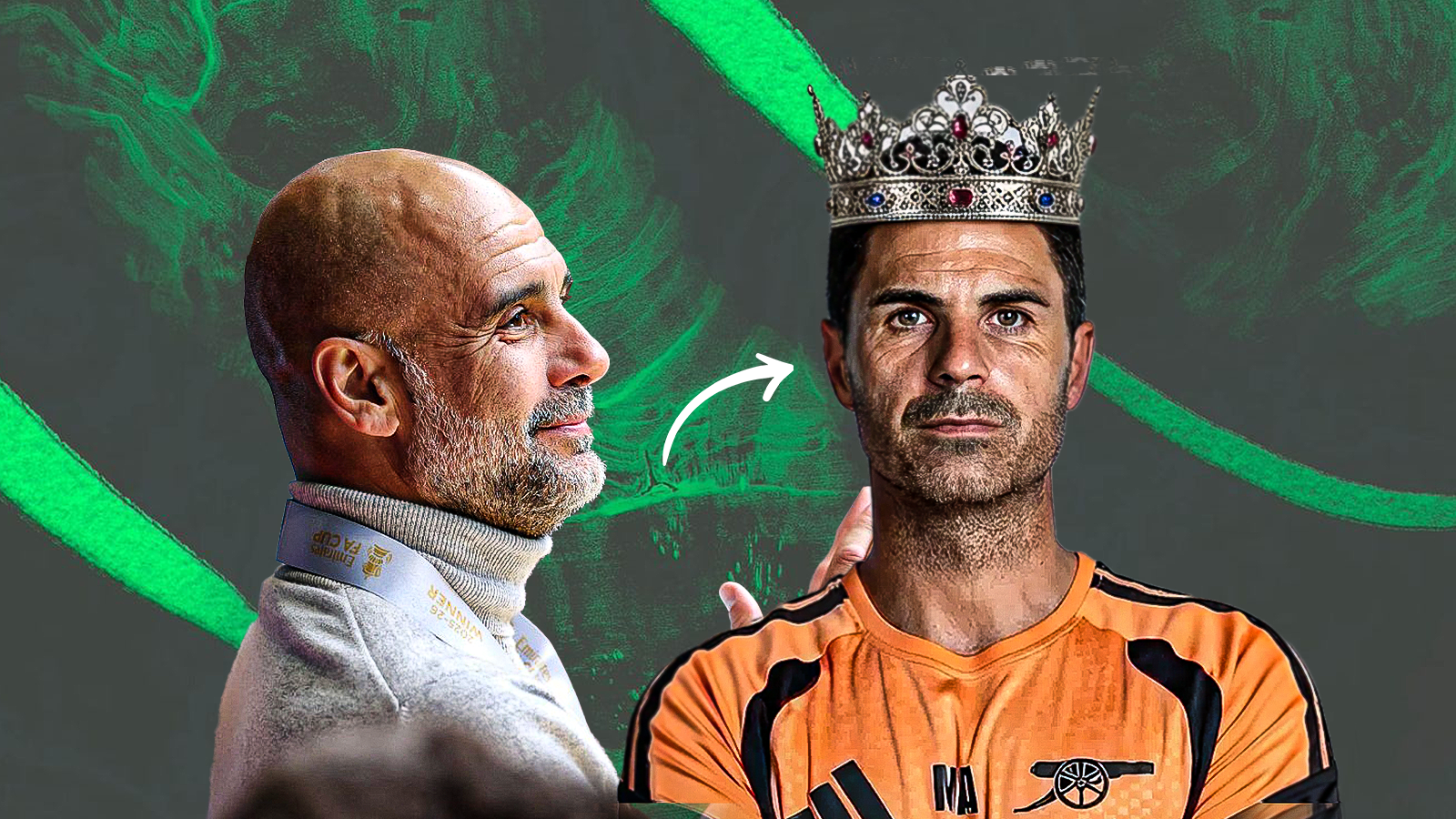
For almost a decade, Manchester City has functioned not just as a football club but as a relentless benchmark of excellence. Under Pep Guardiola, City secured six Premier League titles, highlighting an extraordinary four-in-a-row along with a Champions League trophy, establishing a standard of excellence that left their competitors in the dust. With Guardiola’s exit at the end of the 2025/26 season, we’ve officially seen the end of a significant chapter in English football leadership.
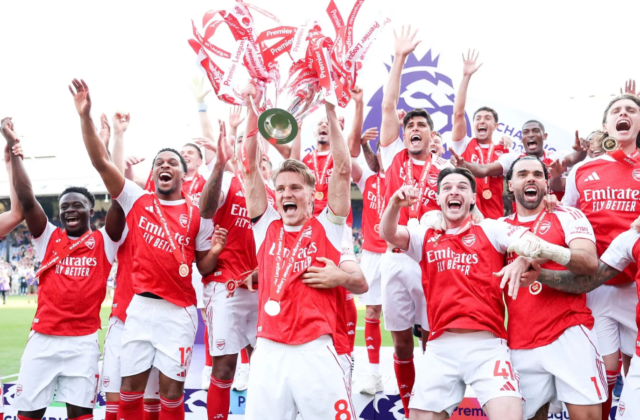
That exit has left a significant gap in leadership at the pinnacle of the hierarchy. As rival teams scramble to refine their strategies, Mikel Arteta’s Arsenal is firmly establishing itself at the top of the league. After a long 22-year wait, the North London team clinched the title last season, finishing seven points ahead of City with a total of 85 points. This achievement marked a significant leap from years of gradual improvement to finally securing some well-deserved silverware. With Pep Guardiola’s exit following a decade of dominance at Manchester City, the top spot in domestic football is up for grabs, leading to the crucial question: Is Mikel Arteta capable of transforming Arsenal into England’s next powerhouse?
The early signs of the 2026/27 season indicate that Arsenal have fully embraced the mindset of champions, showing no signs of a title hangover. Starting their title defence strongly with three straight wins, highlighted by a gritty 2-1 victory against Chelsea, the Gunners display the strategic sharpness and poise of a team that understands how to control the flow of matches. However, stepping into the void left by Guardiola isn’t just a given; it’s a fierce contest for ongoing supremacy.
But nobody has handed them Manchester City’s old position.
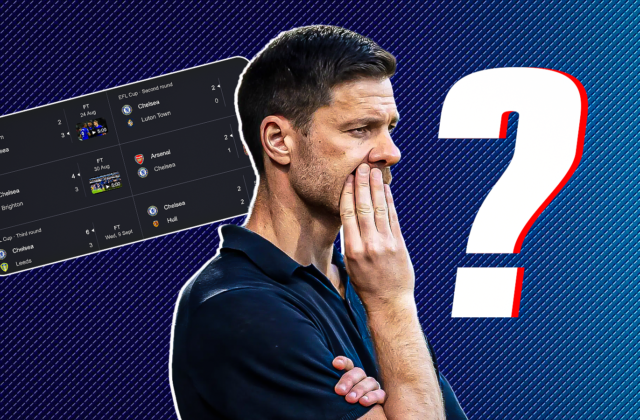
City are undergoing a transformation under Enzo Maresca, having made significant investments over the summer. Liverpool are still strong contenders for the title. Chelsea are developing under the guidance of Xabi Alonso. Manchester United is aiming to reclaim their position at the summit, while Newcastle possesses the financial backing to challenge the elite teams in the league. Manchester City are making a strong statement with their summer rebuild, having brought in seven new signings. This clearly indicates their determination to stay competitive in the race.
The opportunity is there for Arsenal. But they still have to take it.
Arteta has already shown he can beat City.
There’s a compelling aspect of Arteta’s journey that elevates this moment to a whole new level.
Before becoming Arsenal manager, he spent three and a half years working under Guardiola at Manchester City. He learnt from one of modern football’s most successful managers before returning to Arsenal in December 2019.
But Arteta has spent the years since building his own team.
The process was slow. His first major trophy came with the FA Cup in 2020, but Arsenal still had a long way to go in the league. They finished second three times before finally winning the title in 2025/26.
That title was well earned. Arsenal wrapped up the season with a solid 85 points, finishing seven points ahead of City. They have built a squad that can compete at a high level throughout the entire campaign.
The most significant shift is that Arteta no longer needs to persuade anyone that Arsenal is on the rise. They’ve made their entrance. That shifts the focus back onto him.
Last season, the big debate was whether Arsenal could finally win the Premier League title. This season, it’s all about making the pursuit of the title feel like a regular occurrence. That’s a significantly tougher challenge.
Arsenal are building a squad for the long fight.
Arteta still has plenty of quality to work with.
Bukayo Saka remains one of the faces of the team. Martin Ødegaard gives Arsenal creativity, while Declan Rice, William Saliba, Gabriel and David Raya provide experience and quality through the spine of the side.
The club also strengthened in several areas during the summer. Bruno Guimarães arrived from Newcastle, while Ezri Konsa was brought in to strengthen the defence after Saliba’s injury. Arsenal also signed Piero Hincapié and winger Christos Tzolis.
Those moves show that Arsenal are thinking beyond one starting XI.
A club competing for the Premier League and Champions League cannot rely on the same 11 players every week. Injuries will come. Suspensions will come. There will be weeks when Arsenal play three times in seven days.
The quality of the players coming off the bench can decide whether a title challenge survives those periods.
Arsenal have strengthened their midfield and defence, but the bigger concern is what happens in attack. The bigger concern is what happens in an attack. The club lost Gabriel Martinelli, Gabriel Jesus and Leandro Trossard during the summer but did not sign the major forward they had hoped for. Arsenal were linked with Vinícius Júnior and Julián Álvarez, but neither deal happened. They eventually brought in Tzolis, but the lack of a bigger attacking signing has left questions about their depth in the final third.
Arsenal can still defend their title. It does mean Arteta will have to get more from the attacking players already at the club.
The champions now have something they spent years chasing. The next challenge is making sure it does not become a one-season achievement.
City spent a decade setting the pace. Arsenal now have the chance to set it themselves.
But winning once is no longer enough. If Arteta can keep Arsenal at the top while continuing to improve the squad, this season could become the beginning of their era rather than the end of a 22-year wait.
Europe is where Arteta’s next test begins.
Winning the Premier League has shifted the focus on Arteta. But there is still one major gap in his record at Arsenal, which is the Champions League.
Arsenal came close last season. They reached the final and took an early lead against Paris Saint-Germain before losing on penalties after a 1-1 draw.
It was a painful way to lose, but the run showed that Arsenal could compete with Europe’s best teams.
Now they have to go one step further.
That does not mean the Premier League title suddenly matters less. Arsenal waited 22 years to win it. But once a club reaches the Champions League final, the target changes. The players now know they can get there. Arteta has to find a way to make the final stage of the competition feel like a place Arsenal belongs.
If Arsenal want to stay among Europe’s biggest clubs, they cannot treat the Champions League as a bonus. They have to believe they can win it.
Money is no longer the problem
Football is only part of the story.
Arsenal are also becoming one of England’s most powerful commercial clubs. Their 2024/25 accounts showed about £691 million in football revenue. That included £153.9 million from matchdays, £272.8 million from broadcasting and £263.2 million from commercial activities.
Commercial income was up from about £218 million the previous year. That gives Arsenal a strong base to build from.
They can attract top players, offer competitive wages and continue investing in the academy and training facilities. Regular Champions League football also brings more revenue, while success on the pitch makes the club more attractive to sponsors and commercial partners.
But money alone does not create a great football club.
Manchester City spent heavily for years, but Guardiola turned that spending into a team with a clear way of playing. Real Madrid have the financial power to sign the biggest players, but their strength also comes from their history, huge global following and ability to compete for major trophies year after year.
Arsenal now needs to put those pieces together. That is where Arteta’s role becomes so important.
Arteta has to build an Arsenal people recognise
Arteta has already made Arsenal more competitive. The next challenge is to make Arsenal unmistakable.
Saka is a prime example. He has grown from an academy player into one of the faces of the club. Ødegaard has also become a key part of the team. Arsenal will need more players to develop that same connection with supporters.
The academy will have a role too.
A club trying to build a long period of success cannot rely solely on expensive signings. It needs young players who understand what the club expects and supporters who can see a clear path from the academy to the first team.
There is also a question about how Arteta wants Arsenal to play now that they are expected to win.
Arsenal have become a disciplined and difficult team to break down. They can control matches and protect leads. But they also need to keep the attacking quality and freedom that made the club so popular under Arsène Wenger.
That debate has already started. After the narrow win over Chelsea this season, some criticism focused on whether Arsenal should have taken more risks while they had control of the game. The issue is not whether Arteta can win matches. He has already proved that.
The question is whether he can build a team that is both ruthless and exciting. That could be the next stage of his development.
Guardiola’s City had a style that became part of the club’s identity. Wenger’s Arsenal did too. The best teams leave supporters with more than memories of trophies. They leave behind an idea of how the game should be played.
Arteta now has the chance to create his own version of Arsenal.
Guardiola’s exit is not a free pass
It would be a mistake to treat Guardiola’s departure as an automatic decline for City. Enzo Maresca has taken over. The club spent heavily in the summer and still has the money, the facilities and the institutional knowledge of competing at the highest level. Liverpool remain serious.
Chelsea, under Xabi Alonso, have the resources to compete. Manchester United are trying to climb back. Newcastle have the financial backing to stay in the race. Arsenal cannot rely on other clubs getting weaker. They must keep improving. That means defending the Premier League title, competing properly in Europe, and holding their standards when results turn. The real test arrives with the first poor run of form and the pressure that follows. Last season showed Arteta could take Arsenal to the top. This season has to show he can keep them there.
A recent conversation on X captures the mood. One supporter noted that locking in Arteta and his staff after the title gives the project long-term stability rather than risking the people who delivered the breakthrough. Another argued that one league title does not erase questions about transfer ambition in attack. Both views sit inside the same larger point: the bar has moved
Arsenal’s story has changed.
For years, Arsenal were described as a club that was getting closer.
Arsenal are now champions. Arteta is no longer the manager trying to bring the club back to the top. He is the manager who has to keep them there.
Guardiola has left Manchester City after a decade that changed English football. Arsenal enter the new season as defending champions with a strong squad, a powerful financial base and a manager who has already delivered the league title.
The chance is there. But the next step is harder than winning once.
An Arsenal super club is not declared. It is built — season by season, decision by decision, through the weeks when the squad is stretched and the results refuse to come easily. One league title ends a long wait. What follows will decide whether it starts something that lasts.
About the Author


1 Comment
Brighton Just Made Arsenal Look Ordinary. What Changed Overnight? - African Football News: Live Scores, Transfers & Sports Culture | BOX18 Africa